
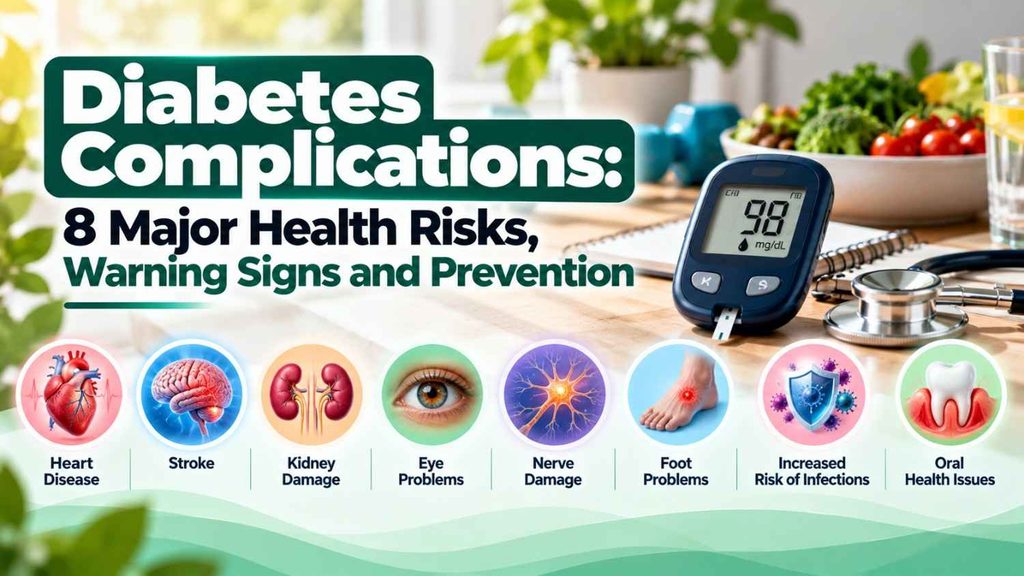
Diabetes complications are health problems that can develop when diabetes affects the body’s blood vessels, nerves, eyes, kidneys, heart, and other organs. Over time, blood glucose levels that remain above an individual’s target can increase the risk of cardiovascular disease, kidney damage, vision problems, nerve damage, foot ulcers, and other health concerns.
Diabetes complications are not inevitable. Managing blood glucose, blood pressure, and cholesterol, taking prescribed medicines, and attending recommended health screenings can help reduce the risk of many complications or identify them before they become more serious.
Some complications develop gradually without obvious symptoms. That is why people with diabetes need regular health assessments even when they feel well.
In this guide, you’ll learn about eight important health areas affected by diabetes, their possible warning signs, how healthcare professionals assess them, and practical steps that may help protect your long-term health.
What Are Diabetes Complications?
Diabetes affects how the body regulates glucose, also known as blood sugar. When glucose levels remain too high over time, they can contribute to damage in blood vessels and nerves. Other factors—including high blood pressure, abnormal cholesterol levels, smoking, and certain existing health conditions—can increase the risk.
Diabetes complications can affect several parts of the body:
- Heart and blood vessels: Increased risk of heart disease, heart attack, stroke, and circulation problems.
- Kidneys: Damage that may lead to chronic kidney disease.
- Eyes: Retinal damage and other conditions that can threaten vision.
- Nerves: Pain, tingling, numbness, or changes in digestion, bladder function, and sexual response.
- Feet: Wounds, infections, and ulcers that may be difficult to heal.
- Digestive system: Problems such as gastroparesis, which can affect how the stomach empties.
- Mouth and gums: Increased risk of gum disease and other oral health problems.
- Bladder and sexual health: Urinary difficulties and sexual problems that may be associated with nerve or blood-vessel damage.
These categories can overlap. For example, diabetic neuropathy can contribute to digestive symptoms, bladder problems, and loss of protective sensation in the feet. Foot ulcers can result from a combination of nerve damage and poor circulation.
The purpose of understanding these risks is not to assume that every person with diabetes will develop them. It is to recognize what needs monitoring and when to seek medical advice.
What Are the 8 Major Health Risks Associated With Diabetes?
1. Heart Disease and Stroke
People with diabetes have an increased risk of cardiovascular disease, which includes conditions affecting the heart and blood vessels. Diabetes may contribute to damage in blood vessels and often occurs alongside high blood pressure, abnormal cholesterol levels, and other cardiovascular risk factors.
Over time, these factors can increase the risk of coronary artery disease, heart attack, heart failure, stroke, and circulation problems in the legs.
Risk varies from person to person. Age, diabetes duration, smoking, blood pressure, cholesterol levels, kidney health, and family history can all influence cardiovascular health.
Possible warning signs include:
- Chest pressure, tightness, or discomfort.
- Breathlessness that is new or unusual.
- Unexplained fatigue or a reduced ability to exercise.
- Discomfort in the arms, back, neck, jaw, or upper abdomen.
- Sudden facial drooping, weakness on one side of the body, or difficulty speaking.
A heart attack does not always cause obvious chest pain. Some people experience less typical symptoms, so new or unexplained symptoms should not be ignored.
How is cardiovascular risk assessed?
A healthcare professional may review blood pressure, cholesterol, blood glucose, smoking history, kidney function, symptoms, and other risk factors. Additional investigations depend on the person’s medical history and clinical findings.
How can you reduce the risk?
- Follow your individualized diabetes treatment plan.
- Monitor blood pressure and cholesterol as recommended.
- Avoid tobacco and seek help to stop smoking if needed.
- Choose a sustainable eating pattern and regular physical activity appropriate for your health.
- Take prescribed medicines as directed.
- Attend recommended cardiovascular reviews.
When to seek emergency care: Chest discomfort that may indicate a heart attack, sudden facial drooping, sudden weakness, or difficulty speaking requires emergency medical attention. Do not wait to see whether the symptoms disappear.
2. Diabetic Kidney Disease
Diabetic kidney disease, also called diabetic nephropathy, occurs when diabetes damages the kidneys. The kidneys filter waste and excess fluid from the blood and help maintain the body’s fluid and mineral balance.
Damage can gradually reduce kidney function. In advanced cases, chronic kidney disease may progress to kidney failure.
An important point: Early diabetic kidney disease often causes no noticeable symptoms. A person may feel completely well even when kidney damage has begun. Waiting for symptoms is therefore not a reliable way to detect it.
More advanced kidney disease may be associated with:
- Swelling around the ankles, feet, or legs.
- Changes in urination.
- Persistent tiredness or weakness.
- Reduced appetite or nausea.
- Other symptoms associated with fluid retention or declining kidney function.
These symptoms can have several causes and cannot confirm kidney disease by themselves.
How is diabetic kidney disease detected?
Healthcare professionals commonly use two tests:
- Urine albumin-to-creatinine ratio (UACR): Checks for an increased amount of albumin, a protein, in the urine. Albumin in the urine can be an early sign of kidney damage.
- Estimated glomerular filtration rate (eGFR): Uses a blood test, including creatinine, to estimate how effectively the kidneys filter waste.
For many adults, kidney screening is recommended at least annually from the diagnosis of type 2 diabetes and after approximately five years of type 1 diabetes. More frequent monitoring may be needed if kidney disease is already present or results change. Your clinician should determine the appropriate schedule for your circumstances.
How can you protect your kidneys?
- Keep blood glucose within your individualized target range.
- Manage blood pressure and cholesterol.
- Attend recommended urine and blood tests.
- Take prescribed medicines as directed.
- Ask your healthcare professional whether kidney-protective treatments are appropriate for you.
- Avoid starting medicines or supplements that may affect kidney function without professional advice.
Read more: NIDDK — Diabetic Kidney Disease.
3. Diabetic Eye Disease and Vision Loss
Diabetes can damage the small blood vessels in the retina, the light-sensitive tissue at the back of the eye. This condition is known as diabetic retinopathy.
Diabetes can also increase the risk of other eye conditions, including cataracts and glaucoma. Without appropriate detection and treatment, some diabetes-related eye problems can cause permanent vision loss.
Early diabetic retinopathy may not cause noticeable changes in vision. A person can have retinal damage without experiencing pain, blurred vision, or other obvious symptoms.
Possible warning signs include:
- Blurred or fluctuating vision.
- New floaters or dark spots in your vision.
- Difficulty seeing clearly.
- Dark areas or gaps in your field of vision.
- Sudden changes in eyesight.
These symptoms can have causes unrelated to diabetes. However, sudden vision loss or a major change in vision needs urgent medical assessment.
How is diabetic eye disease detected?
A comprehensive dilated eye examination allows an eye-care professional to examine the retina and look for changes that may not yet affect vision. Retinal photography and other investigations may also be recommended.
For adults with type 2 diabetes, an initial comprehensive eye examination is generally recommended at diagnosis. For adults with type 1 diabetes, the initial examination is generally recommended within five years of onset. Follow-up intervals depend on examination findings, diabetes control, and individual risk.
Some people may qualify for longer intervals after normal examinations, while those with retinopathy may need more frequent follow-up.
How can you protect your vision?
- Attend eye examinations at the interval recommended by your eye-care professional.
- Manage blood glucose and blood pressure.
- Report new visual symptoms promptly.
- Follow the recommended treatment plan if retinal changes are detected.
Do not wait until your vision becomes blurry to arrange routine diabetic eye screening.
4. Diabetic Neuropathy (Nerve Damage)
Diabetic neuropathy refers to nerve damage associated with diabetes. It commonly affects the feet and legs, but it can also affect nerves involved in digestion, bladder function, blood pressure regulation, heart rate, and sexual response.
One important consequence is a reduction in protective sensation. A person may develop a blister, cut, burn, or pressure injury without noticing it. If the injury is not identified and treated, it may worsen or become infected.
Possible symptoms include:
- Tingling, burning, or sharp pain.
- Numbness in the feet, legs, or hands.
- Reduced ability to feel heat, cold, or injury.
- Increased sensitivity to touch.
- Balance difficulties or discomfort when walking.
- Dizziness when standing, in some people.
- Digestive, bladder, or sexual difficulties when autonomic nerves are affected.
Some people have nerve damage without noticeable symptoms.
How is diabetic neuropathy assessed?
A healthcare professional may review symptoms, examine the feet, assess reflexes and sensation, and use tests to check protective sensation. Other possible causes of nerve damage may also need to be investigated.
For many adults, peripheral nerve assessment begins at the diagnosis of type 2 diabetes or approximately five years after the diagnosis of type 1 diabetes, with follow-up at least annually. The timing may vary according to individual clinical circumstances.
How can you reduce the risk of nerve-related problems?
- Follow your diabetes treatment plan.
- Attend recommended nerve and foot examinations.
- Manage blood pressure and other cardiovascular risk factors.
- Avoid tobacco.
- Report new numbness, burning pain, balance changes, or unusual sensations.
- Check your feet regularly, especially if sensation is reduced.
New nerve symptoms should be assessed rather than automatically attributed to diabetes. Some alternative causes may be treatable.
5. Diabetes-Related Foot Problems and Ulcers
Diabetes-related foot problems can develop when nerve damage and reduced blood flow affect the feet. A small cut, blister, cracked area of skin, or poorly fitting shoe may cause an injury that goes unnoticed or heals slowly.
If the wound becomes infected, the infection can spread to deeper tissues. Severe infections or circulation problems can sometimes lead to surgery, including amputation. Prompt assessment and treatment can reduce the risk of serious outcomes.
Warning signs to watch for include:
- A new sore, blister, or cut.
- A wound that is not healing.
- Redness, swelling, warmth, or discharge.
- A change in foot colour or temperature.
- Blackened tissue or a wound with an unpleasant smell.
- New pain—or an injury that causes little pain because sensation is reduced.
What should you do if you notice a foot wound?
Contact a healthcare professional promptly. Do not wait for a wound to become painful, particularly if you have numbness or reduced sensation.
Seek urgent assessment if you notice spreading redness, significant swelling, fever, pus, or other signs of a serious infection. A foot that suddenly becomes cold, pale, blue, or severely painful also needs urgent medical evaluation.
Daily foot-care habits that can help:
- Check the tops, soles, heels, and spaces between your toes every day. Use a mirror or ask someone for help if you cannot see the bottom of your feet.
- Wear well-fitting footwear and avoid walking barefoot.
- Wash your feet gently and dry them carefully, including between the toes.
- Avoid cutting corns or calluses yourself, especially if sensation or circulation is reduced.
- Avoid using harsh chemical treatments on corns or calluses without professional advice.
- Attend recommended foot examinations.
A healthcare professional should assess your foot-ulcer risk, especially if you have neuropathy, circulation problems, a previous ulcer, or a history of amputation.
Daily checks are valuable, but they do not replace professional foot care.
6. Digestive Problems and Autonomic Nerve Damage
Diabetes can affect the autonomic nerves that help regulate involuntary body functions, including digestion. When the nerves and muscles involved in stomach emptying do not work properly, food may move from the stomach into the small intestine more slowly than usual.
This condition is called gastroparesis, or delayed gastric emptying.
Digestive symptoms in a person with diabetes do not automatically mean gastroparesis. Medicines, dietary factors, infections, and other gastrointestinal conditions can cause similar problems. A healthcare professional needs to assess persistent symptoms and determine their cause.
Possible symptoms include:
- Feeling full soon after starting a meal.
- Feeling unusually full long after eating.
- Bloating or upper abdominal discomfort.
- Nausea or vomiting.
- Reduced appetite.
- Difficulty keeping blood glucose predictable because digestion and food absorption may be delayed.
Constipation, diarrhoea, and other bowel changes can also occur with autonomic nerve problems, but they may have many other causes.
How is gastroparesis assessed?
A healthcare professional may review symptoms, medicines, eating patterns, and blood glucose readings. Additional investigations—such as tests that measure stomach emptying—may be needed to confirm the diagnosis and rule out other conditions.
What should you do if digestive symptoms persist?
- Seek medical advice for ongoing nausea, vomiting, bloating, or feeling full unusually quickly.
- Review your medicines with a clinician rather than stopping them yourself.
- Follow any dietary or treatment advice recommended after diagnosis.
- Monitor glucose as advised if digestive symptoms affect your usual eating pattern.
Persistent vomiting, severe abdominal pain, signs of dehydration, or an inability to keep fluids down needs prompt medical assessment. Severe abdominal pain, confusion, or marked drowsiness may require emergency care.
7. Gum Disease and Other Oral Health Problems
Diabetes can increase the risk of gum inflammation and periodontal disease, particularly when blood glucose is not well managed. Periodontal disease affects the tissues that support the teeth and can lead to tooth loss if it becomes advanced and remains untreated.
Diabetes may also be associated with dry mouth, oral infections, and delayed healing in some circumstances. Oral health and diabetes management can influence one another, making regular dental care an important part of overall health.
Possible warning signs include:
- Bleeding gums when brushing or cleaning between teeth.
- Red, swollen, or tender gums.
- Persistent bad breath.
- Receding gums or loose teeth.
- Persistent mouth dryness or discomfort.
- Signs of an oral infection.
Bleeding gums should not simply be dismissed as normal. These symptoms do not prove that diabetes is responsible, so a dental assessment is important.
How can you protect your oral health?
- Brush twice daily with fluoride toothpaste.
- Clean between your teeth regularly.
- Avoid tobacco.
- Attend regular dental check-ups.
- Tell your dentist that you have diabetes.
- Seek advice for persistent bleeding, swelling, pain, or mouth dryness.
Good oral hygiene supports dental health, but it does not replace professional treatment for established gum disease.
8. Bladder, Sexual, and Reproductive Health Problems
Diabetes can affect blood vessels and nerves involved in bladder and sexual function. These concerns can be uncomfortable to discuss, but they are legitimate health issues for which assessment and treatment may be available.
Possible problems include:
- Erectile dysfunction.
- Reduced sexual response or arousal.
- Vaginal dryness or discomfort during sex.
- Urinary urgency or leakage.
- Difficulty emptying the bladder fully.
- Recurrent urinary tract infections in some people.
Nerve damage can interfere with the signals that help the bladder store and release urine. Incomplete bladder emptying may contribute to urinary problems. Sexual difficulties may also be influenced by blood-vessel health, medicines, hormonal changes, emotional well-being, and other medical conditions.
Not every bladder or sexual symptom in a person with diabetes is caused by diabetes. A proper assessment can help identify the cause and guide treatment.
When should you seek medical advice?
Speak with a healthcare professional if you experience persistent sexual difficulties, painful intercourse, recurring urinary infections, urine leakage, or difficulty emptying your bladder.
Seek urgent care if you cannot pass urine, have severe pain, or develop concerning symptoms such as fever with flank or back pain.
Treatment depends on the cause and may involve reviewing medicines, managing glucose and other risk factors, using specific therapies, or consulting an appropriate specialist.
You do not have to accept persistent bladder or sexual problems without discussing the available options with a healthcare professional.
What Are the Early Warning Signs of Diabetes Complications?
Many diabetes complications do not cause symptoms in their early stages. Screening is important even if you feel healthy.
The following table can help you understand which changes deserve attention and how to respond.
| Change you notice | What to do |
|---|---|
| Blurred vision or new floaters | Arrange an eye assessment promptly. Sudden vision loss is an emergency. |
| New or worsening swelling of the feet or ankles | Seek medical advice to identify the cause. |
| Tingling, burning, or numbness | Arrange a clinical review. |
| A new foot sore, cut, or blister | Contact a healthcare professional promptly. |
| Red, swollen, or bleeding gums | Arrange a dental check-up. |
| Persistent nausea, vomiting, or digestive changes | Discuss symptoms with a healthcare professional. |
| Recurrent urinary problems or difficulty emptying the bladder | Seek medical assessment. |
| Chest discomfort or sudden stroke symptoms | Seek emergency medical care immediately. |
These symptoms do not automatically mean that a diabetes complication is present. Other conditions may cause similar changes, and appropriate assessment is needed to identify the cause.
Do not wait for warning signs before attending routine screening appointments. Kidney disease and diabetic retinopathy, for example, may be present before symptoms become noticeable.
How Can You Prevent or Delay Diabetes Complications?
Not every complication can be prevented, and individual risk varies. However, comprehensive diabetes care can help reduce risk, identify problems earlier, and protect long-term health.
1. Manage Blood Glucose
Work with your healthcare professional to establish an appropriate glucose target and monitoring schedule. Your targets depend on factors such as diabetes type, medicines, age, other health conditions, and the risk of low blood glucose.
Do not change medication doses based solely on general online advice or an isolated glucose reading.
2. Monitor Blood Pressure and Cholesterol
Blood glucose is only one part of diabetes management. Blood pressure and cholesterol are also important for cardiovascular and kidney health.
Ask your healthcare professional how often these should be checked and whether lifestyle changes or medicines are appropriate for you.
3. Attend Recommended Screening Appointments
Depending on your diabetes type, duration, existing complications, and previous results, your care plan may include:
- Comprehensive eye examinations.
- Urine albumin and kidney-function tests.
- Foot examinations and nerve assessments.
- Blood pressure and cholesterol checks.
- Dental examinations.
- Reviews of cardiovascular risk and prescribed medicines.
Screening schedules are not identical for everyone. Follow the intervals recommended by your healthcare team.
4. Build Sustainable Eating and Activity Habits
A balanced eating pattern and regular physical activity suited to your abilities can support overall metabolic and cardiovascular health.
Choose habits that fit your medical needs, food preferences, culture, and budget. You do not need an extreme diet or an unsustainable exercise routine.
If you have existing complications or other health conditions, ask your healthcare professional whether you need any changes to your activity or eating plan.
5. Take Medicines as Prescribed
Medicines may help manage blood glucose, blood pressure, cholesterol, and specific diabetes complications. Some treatments also provide additional cardiovascular or kidney protection for eligible patients.
The appropriate treatment depends on your diagnosis and overall health. Do not stop prescribed medication because your glucose readings improve, and do not start supplements marketed as diabetes cures without discussing them with a qualified healthcare professional.
6. Avoid Tobacco
Smoking increases cardiovascular risk and can worsen circulation-related problems. Avoiding tobacco is an important part of protecting heart and blood-vessel health.
If you smoke, ask a healthcare professional about practical support and treatment options to help you quit.
7. Check Your Feet and Look for Changes
Check your feet daily for cuts, blisters, swelling, colour changes, or wounds. Seek prompt assessment for a new injury, particularly if you have reduced sensation.
Also report persistent changes in vision, digestion, urination, or sexual function rather than assuming they are an unavoidable part of diabetes.
8. Learn How to Manage Diabetes Day to Day
Diabetes self-management education can help you understand glucose monitoring, medicines, nutrition, physical activity, foot care, and when to seek medical help.
Work with your healthcare team to develop a plan that is realistic for your life and appropriate for your individual needs.
A Practical Diabetes Complications Screening Checklist
Use this checklist to prepare for your next diabetes review. It is a conversation aid, not a substitute for a clinician’s advice.
- Have I had the eye examination recommended for my diabetes type and previous results?
- Have my kidney function and urine albumin been checked when due?
- Have my feet and nerve function been assessed?
- Have my blood pressure and cholesterol been reviewed?
- Have I mentioned any new numbness, pain, vision changes, or foot wounds?
- Have I discussed persistent digestive, bladder, sexual, or oral health problems?
- Do I understand my glucose targets and how to take my medicines?
- Do I know which symptoms require urgent medical attention?
Your clinician may recommend additional checks based on your medical history, previous test results, pregnancy plans, medicines, or existing complications.
Frequently Asked Questions
1. What are the most common complications of diabetes?
Important complications include cardiovascular disease, kidney disease, diabetic retinopathy, nerve damage, foot ulcers, and oral health problems. Diabetes can also affect digestion, bladder function, and sexual health. Individual risk varies according to diabetes type, duration, glucose levels, other health conditions, and several lifestyle and genetic factors.
2. How long does it take for diabetes complications to develop?
There is no fixed timeline. Some complications develop gradually over years, while others may be present when diabetes is first diagnosed, particularly if blood glucose was elevated before diagnosis. Risk depends on several factors, including diabetes duration, glucose levels, blood pressure, cholesterol, smoking, genetics, and overall health.
3. Can diabetes complications be reversed?
It depends on the complication, its cause, and how advanced it is. Some early changes may improve with appropriate treatment, while established nerve damage, advanced kidney disease, or significant vision damage may not be fully reversible. Early detection and suitable care can help prevent or delay further damage.
4. Can you have diabetes complications without symptoms?
Yes. Early diabetic kidney disease and diabetic retinopathy may not cause noticeable symptoms. Some people also have nerve damage without obvious symptoms. Regular screening is important even when you feel well.
5. Does good blood sugar control eliminate all complications?
No. Managing blood glucose can reduce risk, but it does not eliminate every risk. Blood pressure, cholesterol, smoking, diabetes duration, genetics, and other health conditions also matter. Comprehensive diabetes care addresses more than glucose alone.
6. When should a person with diabetes seek urgent care?
Seek emergency medical care for chest pain or pressure that may indicate a heart attack, sudden facial drooping or difficulty speaking, sudden vision loss, or signs of a serious infection.
Severe vomiting, abdominal pain, deep or rapid breathing, confusion, or marked drowsiness—particularly when a serious blood glucose problem is suspected—may also indicate a medical emergency. Do not delay seeking help.
7. How often should people with diabetes get checked for complications?
The schedule depends on diabetes type, duration, previous results, and individual risk. Eye examinations, kidney tests, foot checks, nerve assessments, blood pressure monitoring, and cholesterol checks may all be part of routine care.
For many adults, kidney screening is performed at least annually from the diagnosis of type 2 diabetes and after approximately five years of type 1 diabetes. Eye and nerve screening schedules also depend on diabetes type and previous findings. Your healthcare professional can recommend the appropriate intervals for you.
8. Can lifestyle changes help prevent diabetes complications?
Yes. Sustainable eating habits, regular physical activity, avoiding tobacco, and following prescribed treatment can support overall health and reduce certain risks. Lifestyle changes work alongside medical care and recommended screening; they do not necessarily replace medication or specialist treatment.
Protect Your Long-Term Health With Informed Diabetes Care
Diabetes complications can affect several parts of the body, but they are not inevitable. Understanding the risks, following an individualized treatment plan, attending recommended screening appointments, and acting on new symptoms can make a meaningful difference.
If you have diabetes or are concerned about your risk, speak with a qualified healthcare professional about the checks and preventive measures appropriate for your situation.
Explore the Diabetes & Endocrine Health section of Ghaziabad Clinic for more educational information about diabetes and related health conditions.
