
Lung and Respiratory
Your Lungs: How They Work & How to Protect Them
Lung and respiratory health is important for breathing, oxygen delivery and everyday physical activity. Learn how the respiratory system works, understand common lung diseases and symptoms, explore diagnostic tests and treatments, and know when breathing problems require medical attention.

What Is Lung and Respiratory Disease?
Lung disease refers to a broad group of conditions that affect the lungs or other parts of the respiratory system. These conditions can affect the airways, air sacs, lung tissue, blood vessels, pleura, or muscles involved in breathing. Symptoms and treatment vary depending on the specific condition.
Lung diseases can affect different parts of the respiratory system, including the airways, alveoli, interstitium, blood vessels, pleura and chest wall.
| Main system | Respiratory system |
| Main organs | Lungs and airways |
| Common symptoms | Cough, breathlessness, wheezing |
| Common conditions | Asthma, COPD, pneumonia, bronchitis |
| Specialist | Pulmonologist |
| Diagnosis | Depends on symptoms and suspected condition |
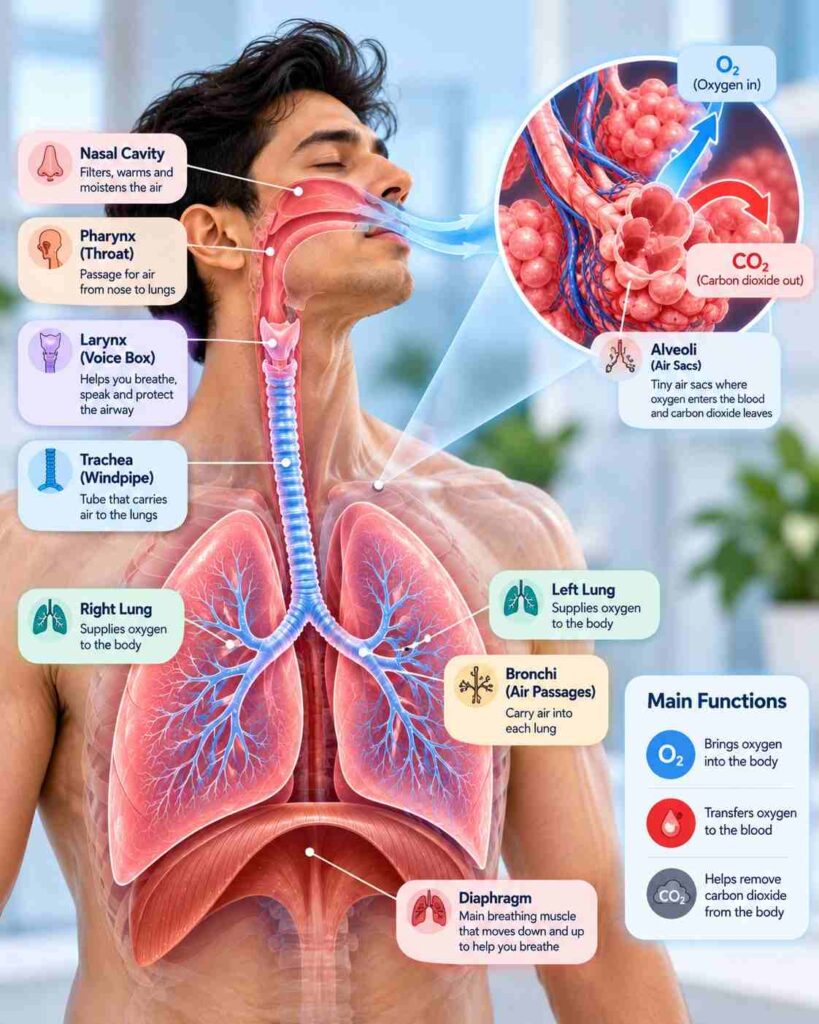
How the Respiratory System Works
Air travels through a series of airways before reaching the tiny air sacs where oxygen enters the blood and carbon dioxide is removed.
Trachea
The trachea, or windpipe, carries air from your throat toward the lungs.
Bronchi
The trachea divides into two main bronchi that carry air into each lung.
Bronchioles
Smaller airways called bronchioles distribute air throughout the lungs.
Alveoli
Tiny air sacs where oxygen moves into the blood and carbon dioxide moves out.
Diaphragm
This major breathing muscle moves downward and upward to help draw air into and out of the lungs.
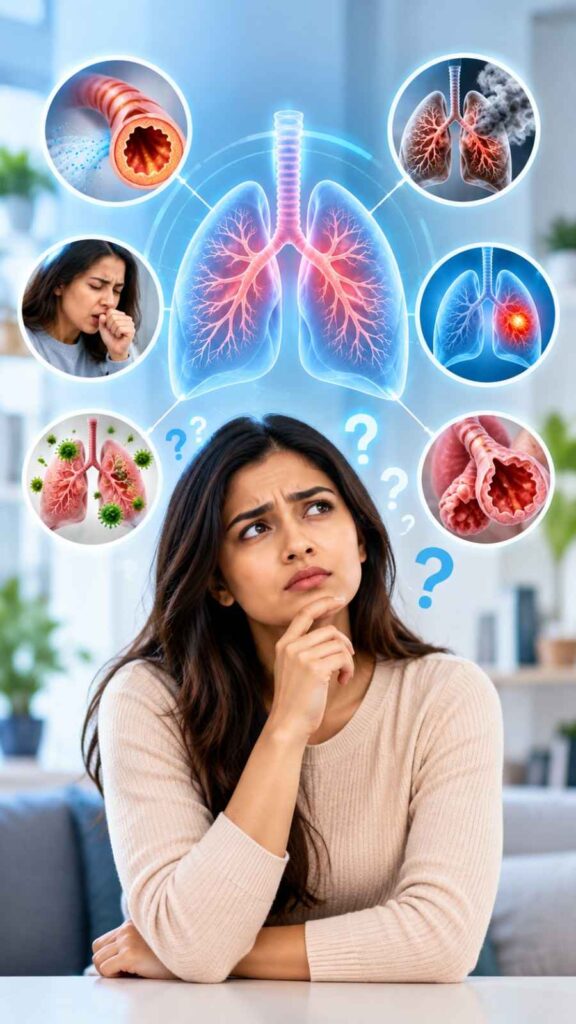
What Kind of Lung Problem Do You Have?
Trouble Breathing
Shortness of breath, breathlessness or difficulty getting enough air.
Persistent Cough
A cough that doesn’t go away or keeps returning.
Wheezing
A whistling sound when breathing.
Recurrent Chest Symptoms
Chest discomfort, repeated respiratory infections or breathing changes.
Common Lung Diseases & Respiratory Conditions
🌬️ Airways
- Asthma
- COPD
- Chronic Bronchitis
- Emphysema
- Bronchiectasis
🌬️ Respiratory Infections
- Pneumonia
- Tuberculosis
- Bronchitis
- Other Respiratory Infections
 Lung Blood Vessels
- Pulmonary Hypertension
- Pulmonary Embolism
 Lung Tissue & Interstitial Diseases
- Interstitial Lung Disease
- Pulmonary Fibrosis
- Sarcoidosis
- Hypersensitivity Pneumonitis
 Lung Tumors
- Lung Cancer
- Pulmonary Nodules
 Pleural Conditions
- Pleural Effusion
- Pneumothorax

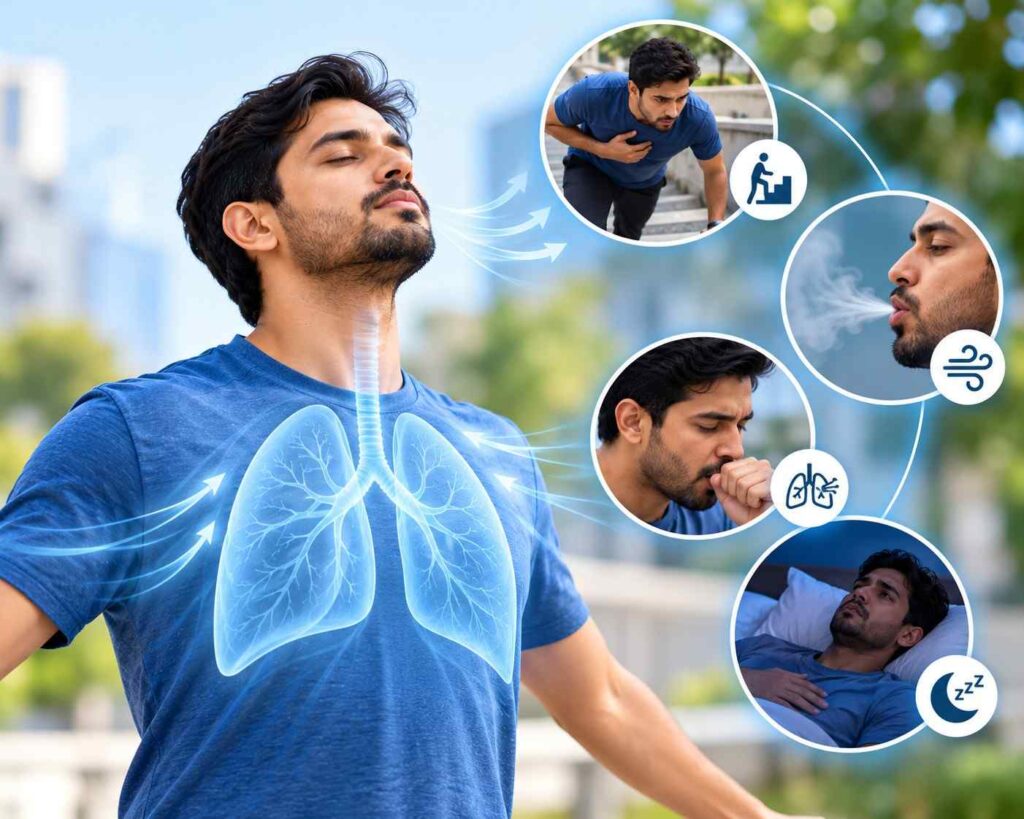
Lung Disease Symptoms
Be aware of the common signs and symptoms that may be associated with lung conditions.
Persistent Cough
Shortness of Breath
Wheezing
Chest Pain
Excess Mucus
Coughing Up Blood
Fatigue
Frequent Respiratory Infections
Reduced Exercise Tolerance
Noisy Breathing
These symptoms can have many possible causes. Having one of these symptoms does not necessarily mean you have lung disease.
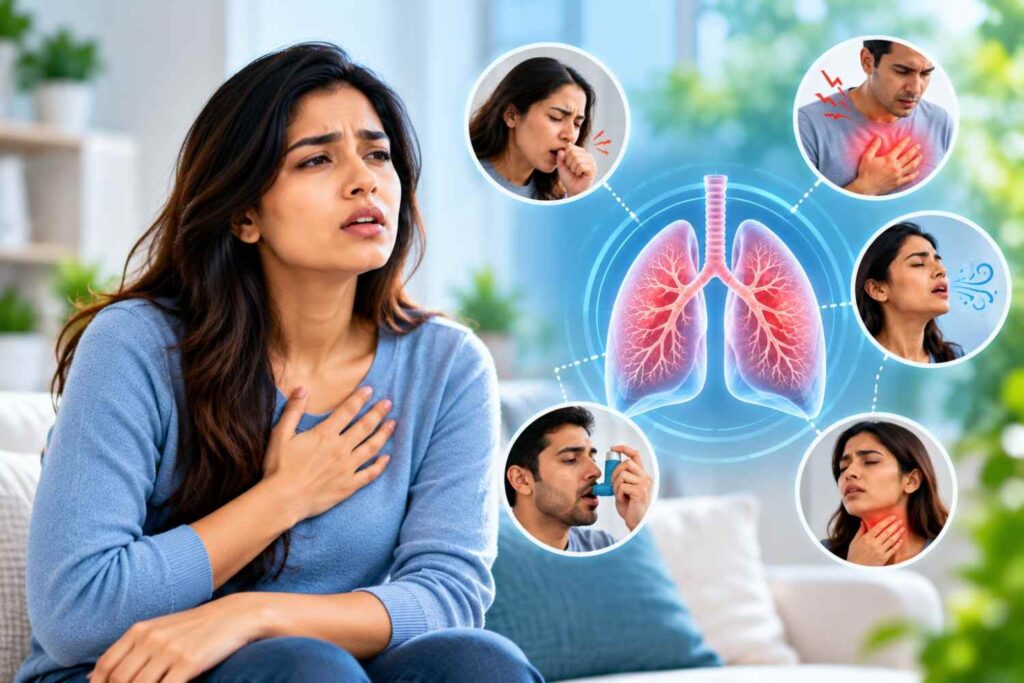
Breathing Problems You Shouldn't Ignore
Some breathing symptoms require prompt medical assessment
Seek urgent medical attention for symptoms such as:
- Severe difficulty breathing
- Sudden chest pain
- Coughing up significant amounts of blood
- Blue or grey lips/skin
- Confusion or loss of consciousness
- Rapidly worsening breathing
What Can Cause Lung Disease?
 Smoking
Tobacco smoke can damage the airways and lung tissue and is an important risk factor for several lung diseases.
 Infections
Viruses, bacteria and other organisms can cause respiratory infections.
 Genetics
Some lung conditions are associated with inherited or genetic factors.
 Air Pollution
Airborne pollutants can irritate and damage the respiratory system.
 Workplace Exposure
Dust, chemicals, asbestos and other occupational exposures can contribute to certain lung diseases.
 Immune & Autoimmune Conditions
Some diseases develop when immune-system activity affects lung tissue.
Other Health Conditions
Certain heart and systemic conditions can cause or contribute to breathing problems.
How Does Smoking Affect Your Lungs?
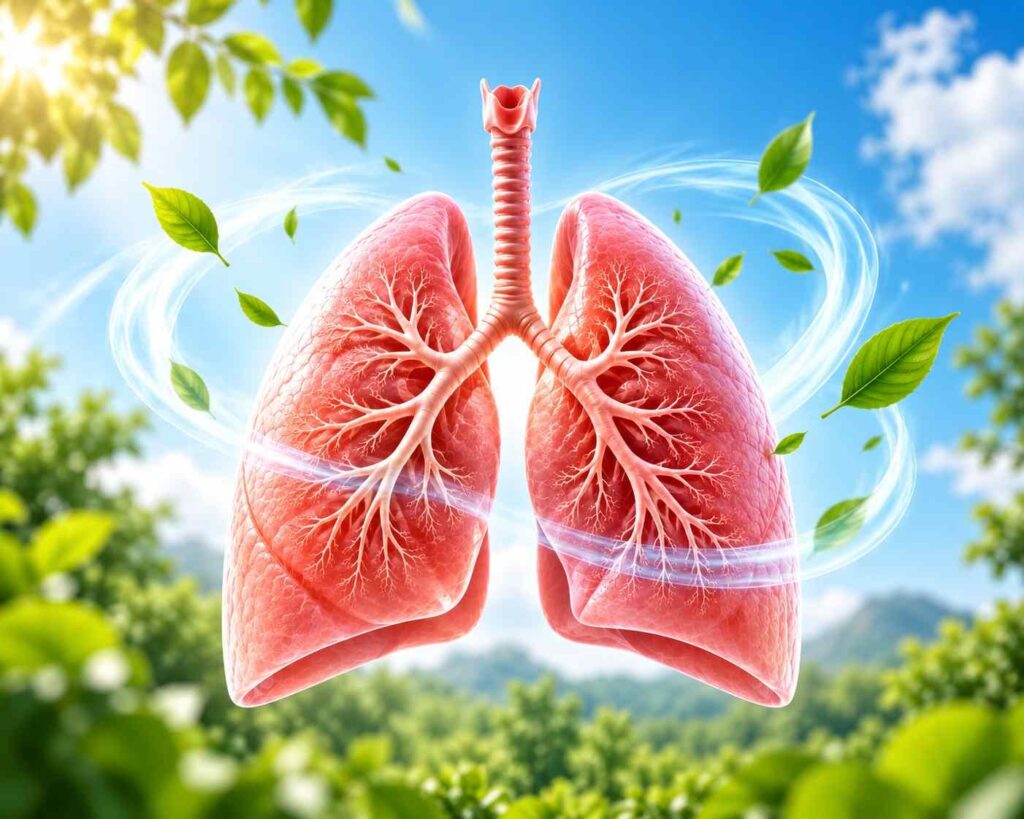
Healthy lungs
- efficient airflow
- functioning air sacs
- effective oxygen exchange
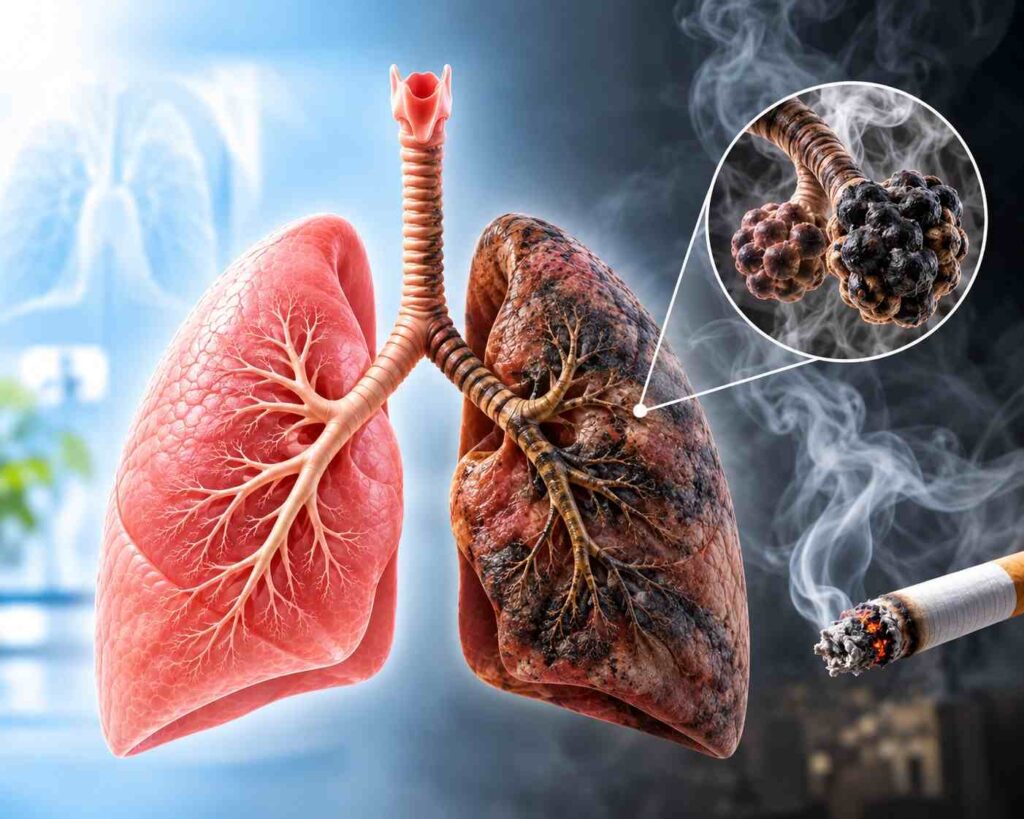
Long-term smoke exposure can contribute to
- airway damage
- chronic inflammation
- reduced lung function
- COPD
- lung cancer
Thinking about quitting smoking?
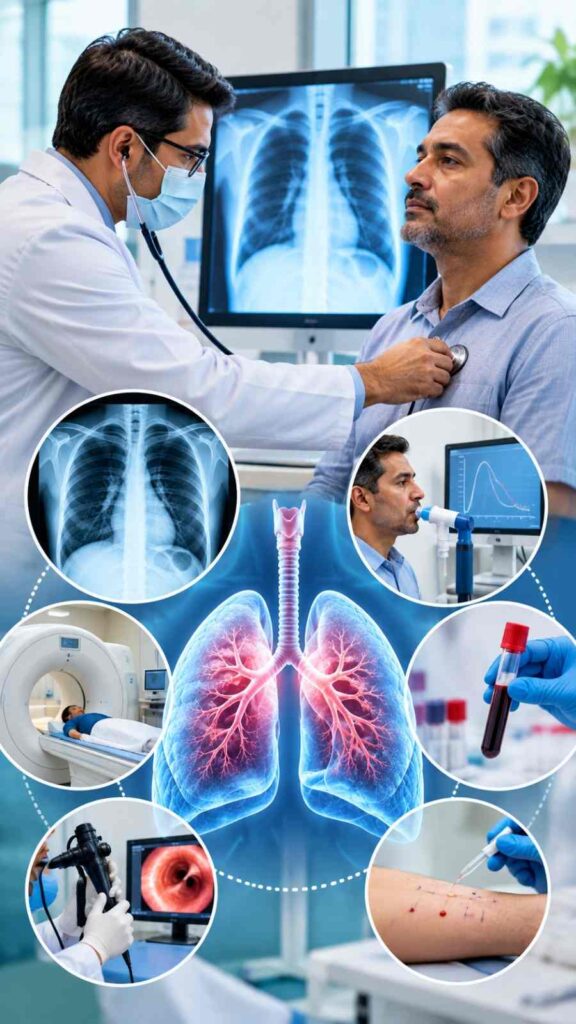
How Are Lung Diseases Diagnosed?
01 — Symptoms & Medical History
Your doctor asks about cough, breathing problems, chest symptoms, infections, smoking and environmental exposures.
↓
02 — Physical Examination
The doctor may listen to your lungs and assess your breathing.
↓
03 — Basic Testing
Depending on the symptoms:
- Pulse oximetry
- Blood tests
- Chest X-ray
↓
04 — Lung Function Testing
- Spirometry
- Pulmonary function tests
↓
05 — Advanced Testing
Depending on the suspected condition:
- CT scan
- Bronchoscopy
- Sputum testing
- Other specialized tests
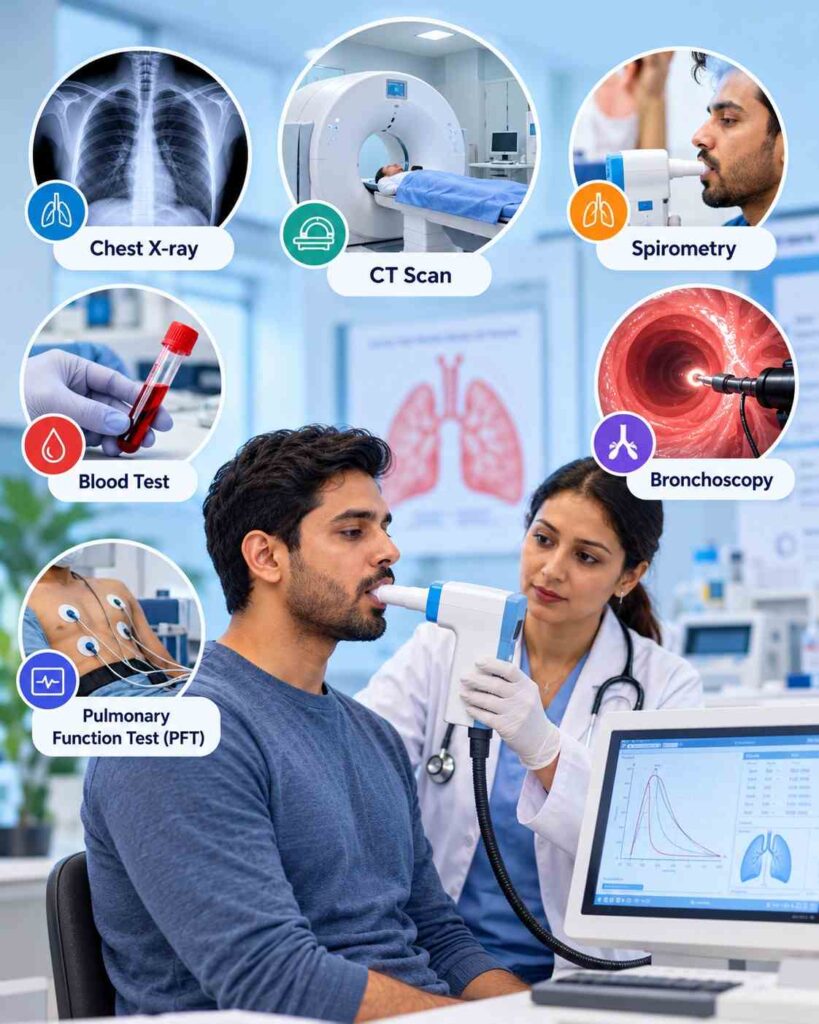
Common Lung Tests Explained
Spirometry
Measures how much and how quickly you can breathe air out.
Pulse Oximetry
Estimates blood oxygen saturation using a small sensor.
Chest X-Ray
Creates an image of the lungs and chest structures.
 CT Scan
Provides more detailed images of the lungs and chest.
 Sputum Test
A sample of mucus may be tested for certain infections.
 Bronchoscopy
A flexible camera can be used to examine the airways and obtain samples when necessary.
Which Lung Test Might Your Doctor Consider?
| Situation | Possible evaluation |
|---|---|
| Persistent cough | History, examination, imaging/testing as appropriate |
| Suspected asthma/COPD | Spirometry or other lung function testing |
| Suspected infection | Examination, imaging and/or laboratory testing |
| Low oxygen | Pulse oximetry ± additional testing |
| Abnormal chest imaging | Further imaging or specialist evaluation |
| Suspected airway problem | Bronchoscopy in selected cases |
The appropriate test depends on your symptoms, examination findings and suspected condition.

How Are Lung Diseases Treated?
💊 Medicines
Depending on the disease, treatment may include inhaled medicines, antibiotics for certain bacterial infections, anti-inflammatory medicines, or other therapies.
🫁 Oxygen Therapy
Some people with certain lung conditions may need supplemental oxygen.
🏃 Pulmonary Rehabilitation
Structured exercise, education and breathing strategies can help selected patients improve function and quality of life.
🚭 Smoking Cessation
Stopping smoking is an important part of managing and reducing the risk of several smoking-related lung diseases.
🏥 Procedures & Surgery
Some conditions may require procedures or surgery.
🩺 Long-Term Monitoring
Chronic lung conditions may require regular follow-up and monitoring.
Can Your Breathing Be Strengthened?
Pulmonary rehabilitation can help some people with chronic respiratory conditions improve exercise tolerance, breathing strategies and daily functioning.
Assessment
Breathing Education
Exercise Training
Nutrition & Lifestyle Support
Long-Term Management
Protecting Your Respiratory Health
Everyday habits and appropriate medical care can help support healthy breathing and protect your respiratory system.
Avoid Tobacco Smoke
Avoid smoking and secondhand tobacco smoke to reduce exposure to substances that can irritate the lungs.
Reduce Exposure to Pollutants
When possible, limit exposure to air pollution, dust, smoke and other airborne irritants.
Stay Up to Date With Recommended Vaccinations
Follow recommended vaccination guidance to help protect against certain respiratory infections.
Stay Physically Active When Appropriate
Regular physical activity can support overall fitness and respiratory health when appropriate for your condition.
Take Prescribed Medicines Correctly
Use prescribed respiratory medicines according to your healthcare professional's instructions.
Keep Follow-Up Appointments
Attend recommended follow-up appointments so your respiratory health can be reviewed when needed.
Reduce Infection Exposure
Good hand hygiene and sensible infection-prevention measures can help reduce exposure to respiratory infections.
Prioritize Healthy Sleep
Aim for consistent, good-quality sleep as part of maintaining overall health and wellbeing.
How Has Your Breathing Changed?
Do you get short of breath more easily than before?
Has your cough lasted for several weeks?
Do you wheeze?
Are you producing more mucus?
Are respiratory infections happening repeatedly?
Has your ability to exercise changed?
If you answered yes to one or more questions, consider discussing your symptoms with a healthcare professional.

When Should You See a Pulmonologist?
A pulmonologist specializes in diagnosing and treating diseases involving the lungs and respiratory system. WebMD describes pulmonologists as specialists who treat conditions including asthma, COPD, interstitial lung disease, lung cancer and pulmonary hypertension.
Consider seeing a pulmonologist for:
- persistent cough
- unexplained breathlessness
- recurrent respiratory infections
- unexplained wheezing
- abnormal chest imaging
- suspected COPD or asthma
- persistent oxygen-level concerns
- known chronic lung disease
Explore Lung & Respiratory Conditions
Asthma
Pneumonia
Bronchitis
Tuberculosis
COPD
Asthma
Pulmonary Fibrosis
Interstitial Lung Disease
Pulmonary Hypertension
Bronchiectasis
Lung Cancer
Sleep Apnea
Emphysema
Common Respiratory Symptoms
Shortness of Breath
Persistent Cough
Wheezing
Chest Pain
Coughing Up Blood
Excess Mucus
Low Oxygen Levels
Breathing Difficulty
Frequently Asked Questions
Clear answers to common questions about breathing, respiratory symptoms, lung health and when to seek medical care.
Respiratory health refers to the health and function of the organs and structures involved in breathing.
Common symptoms include cough, shortness of breath, wheezing, chest tightness, mucus production and reduced exercise tolerance.
Shortness of breath can have many causes, including respiratory infections, asthma, COPD, allergies, pulmonary conditions and some non-respiratory conditions.
A persistent, recurring or worsening cough should be medically evaluated, especially when accompanied by breathlessness, chest pain, fever, wheezing or blood in the sputum.
A pulmonologist is a specialist who diagnoses and treats respiratory-system and lung diseases.
Depending on the symptoms, tests can include pulse oximetry, spirometry, pulmonary function tests, chest X-ray, CT imaging, blood tests and sputum testing.
Exposure to airborne pollutants can irritate the respiratory system and may worsen symptoms in people with certain respiratory conditions.
Severe or rapidly worsening difficulty breathing, blue or grey lips or skin, confusion, loss of consciousness, significant coughing of blood or severe chest pain with breathing difficulty require urgent medical attention.
Important: Respiratory symptoms can have many possible causes. Information on this page is educational and does not replace an evaluation by a qualified healthcare professional.
Don't Ignore Changes in Your Breathing
Persistent cough, breathlessness or recurring respiratory symptoms deserve proper evaluation. Understanding the cause is the first step toward appropriate care