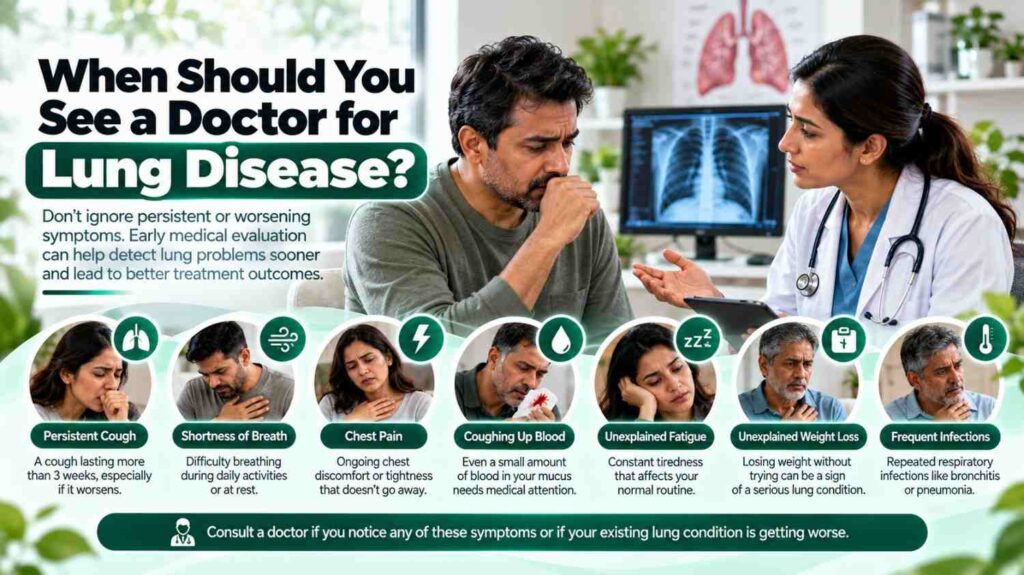
Lung Disease: Symptoms, Causes, Types & Treatment
Lung disease can affect breathing, energy levels and everyday activities. Learn about common types of lung disease, their symptoms and causes, available treatment options, and when to seek medical advice. Understanding the warning signs can help you make informed decisions about your respiratory health.
What Is Lung Disease?
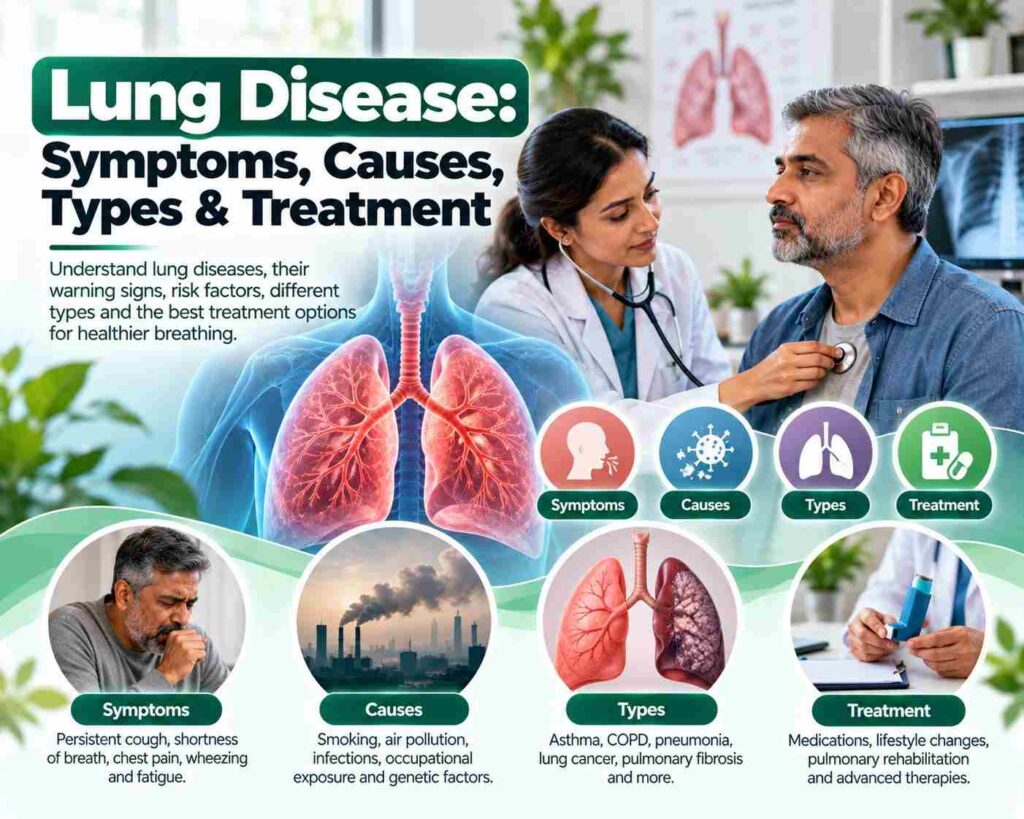
Lung disease refers to a group of medical conditions that affect the lungs and respiratory system, making it difficult for the body to breathe properly or receive enough oxygen. Some lung diseases affect the airways, while others damage lung tissue or interfere with the exchange of oxygen and carbon dioxide.
How Does Lung Disease Affect the Body?
Healthy lungs help deliver oxygen to the bloodstream and remove carbon dioxide when you breathe out. When lung function is affected, a person may experience breathlessness, persistent coughing, wheezing, chest discomfort or reduced ability to perform everyday activities. The symptoms vary according to the type and severity of the lung disease.
Why Is Understanding Lung Disease Important?
Recognising changes in breathing and understanding possible lung disease symptoms can help people seek appropriate medical advice. Early assessment may help identify the underlying cause and guide suitable treatment. Persistent or worsening respiratory symptoms should not be ignored.
What Are the Common Types of Lung Disease?
Lung diseases affect breathing in different ways. Some narrow the airways, others cause infections or scarring, and some interfere with the transfer of oxygen into the bloodstream. Understanding common conditions can help you recognise symptoms and know when to seek medical advice.
Asthma
Asthma causes inflammation and narrowing of the airways, sometimes with extra mucus. Symptoms include wheezing, coughing, chest tightness and shortness of breath. Allergens, infections and exercise may trigger symptoms.
Chronic Obstructive Pulmonary Disease (COPD)
COPD includes progressive lung conditions such as emphysema and chronic bronchitis that obstruct airflow. Persistent cough, excess mucus and breathlessness are common symptoms. Tobacco smoke and harmful airborne particles are important risk factors.
Pneumonia
Pneumonia is an infection that inflames the air sacs in one or both lungs. The sacs may fill with fluid or pus, causing cough, fever, chills and difficulty breathing. Some cases require urgent medical care.
Pulmonary Fibrosis
Pulmonary fibrosis causes lung tissue to become scarred and stiff, making breathing less efficient. Symptoms can include gradually worsening breathlessness and a persistent dry cough. Causes and management vary between individuals.
Bronchitis
Bronchitis is inflammation of the bronchial tubes. Acute bronchitis often follows a respiratory infection, while chronic bronchitis involves a persistent productive cough and may be part of COPD. Cough is the most common symptom.
Lung Cancer
Lung cancer develops when abnormal cells grow uncontrollably in lung tissue. Possible warning signs include a persistent or changing cough, coughing up blood, chest pain, unexplained weight loss and breathlessness. Symptoms should be medically assessed.
Interstitial Lung Disease (ILD)
ILD describes a group of disorders that cause inflammation or scarring in tissue surrounding the lung air sacs. Symptoms often include breathlessness during activity and a persistent dry cough. The cause and progression depend on the specific condition.
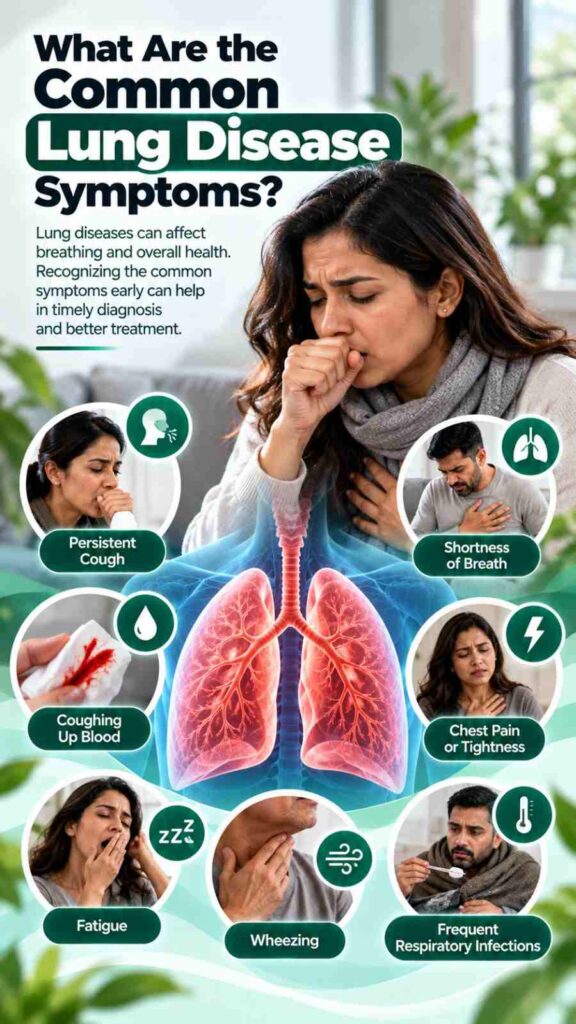
What Are the Common Lung Disease Symptoms?
Lung disease symptoms can vary depending on the underlying condition, its severity and how long it has been present.
1. Shortness of Breath
Breathlessness during everyday activities, such as walking or climbing stairs, may indicate a problem with lung function.
2. Persistent Cough
A cough that lasts for several weeks, keeps returning or changes noticeably may be associated with asthma, COPD, infections or other lung conditions.
3. Wheezing
Wheezing is a whistling sound during breathing that can occur when the airways narrow.
4. Chest Discomfort or Tightness
Some lung conditions can cause chest tightness or pain, particularly when coughing or taking a deep breath.
5. Excess Mucus or Phlegm
Producing more mucus than usual, especially with a persistent cough, may occur with bronchitis, COPD or respiratory infections.
6. Fatigue and Reduced Stamina
Ongoing fatigue or a noticeable decline in exercise tolerance may accompany some lung diseases, although many other conditions can cause these symptoms.
7. Recurrent Respiratory Infections
Repeated episodes of bronchitis or other chest infections may
warrant medical evaluation, particularly when recovery is slow or symptoms keep returning.
When Should You Seek Medical Advice?
Consult a healthcare professional if you have a persistent cough, recurring wheezing, unexplained breathlessness or other ongoing respiratory symptoms. Seek urgent medical care for severe difficulty breathing, blue or grey lips, confusion, or severe chest pain.
Key takeaway: Different types of lung disease can share similar symptoms. A medical assessment is needed to identify the cause and determine suitable treatment.
What Causes Lung Disease?
Lung disease can develop because of infections, tobacco smoke, air pollution, workplace exposures, inherited conditions and immune system problems. The causes vary by condition, and some diseases develop through a combination of genetic and environmental factors. Understanding these risks can help you make informed decisions about your respiratory health.
Smoking and Tobacco Exposure
Smoking is a major risk factor for COPD and lung cancer. Second-hand smoke can also harm lung health. Avoiding tobacco smoke can help reduce these risks.
Air Pollution
Long-term exposure to polluted air, fine particles, indoor smoke and dust can affect respiratory health. Poor air quality may also worsen symptoms in people who already have lung conditions.
Workplace and Chemical Exposure
Repeated exposure to silica dust, asbestos fibres, chemical fumes and industrial particles can increase the risk of occupational lung disease. Proper ventilation and suitable protective equipment are important safeguards.
Respiratory Infections
Viruses, bacteria and other infectious organisms can cause illnesses such as pneumonia. Some infections can lead to serious complications, especially in older adults and people with certain underlying health conditions.
Genetic and Inherited Factors
Certain inherited genetic changes can increase susceptibility to lung disease. For example, alpha-1 antitrypsin deficiency can increase the risk of emphysema. Family history may also be relevant when assessing an individual's risk.
Allergies and Immune System Conditions
Allergens and irritants can trigger asthma symptoms. Certain autoimmune and inflammatory conditions can also affect lung tissue and contribute to interstitial lung disease. Triggers and mechanisms vary by condition.
Age and Existing Health Conditions
The risk of certain lung diseases increases with age. Other medical conditions, reduced immune function and previous lung damage can also affect respiratory health and the severity of an illness.
Can Lung Disease Be Prevented?
Not every lung disease can be prevented, but reducing exposure to certain risk factors can help protect respiratory health. These practical steps may lower some risks and help manage existing conditions.
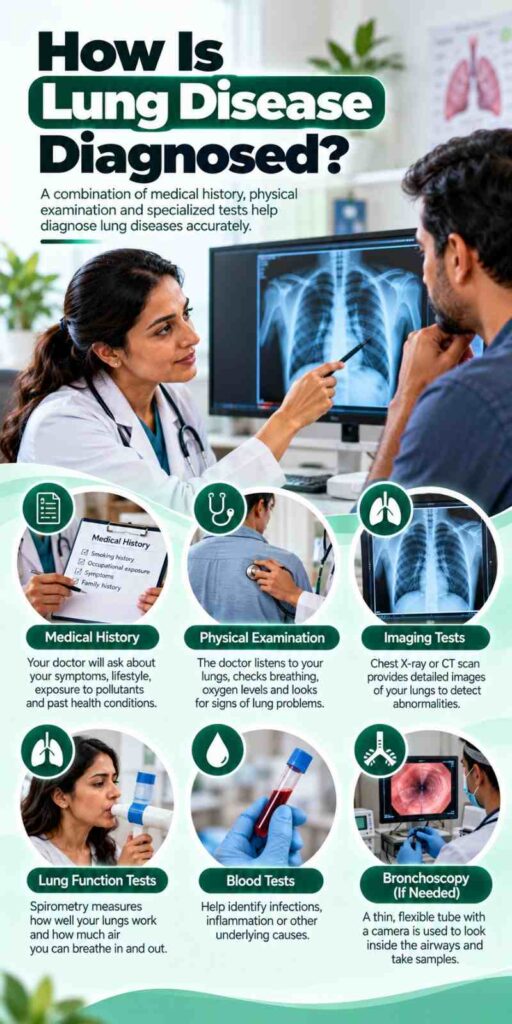
How Is Lung Disease Diagnosed?
1. Medical History and Symptom Assessment
The doctor may ask about coughing, breathlessness, wheezing, chest discomfort and how long the symptoms have been present.
2. Physical Examination
During a physical examination, the doctor may listen to the lungs using a stethoscope, assess breathing patterns and check oxygen levels when appropriate.
3. Lung Function Tests
Lung function tests measure how well the lungs move air and, in some cases, transfer oxygen into the bloodstream.
Spirometry is a common test that measures how much air a person can breathe out and how quickly they can do so.
4. Chest X-Ray and CT Scan
A chest X-ray provides a general view of the chest, while a CT scan produces more detailed images when additional information is needed. The choice of imaging depends on the symptoms and suspected condition.
5. Blood and Sputum Tests
Blood tests may be used to assess certain infections, inflammation or oxygen and carbon dioxide levels, depending on the clinical situation. A sputum sample may be examined to identify organisms responsible for some respiratory infections.
6. Additional Diagnostic Procedures
If initial tests do not provide enough information, further investigations may be recommended.
When Should You Seek an Evaluation?
Consider medical assessment if you experience persistent coughing, unexplained breathlessness, recurring wheezing or repeated chest infections. Seek emergency medical care for severe breathing difficulty, blue or grey lips, confusion or severe chest pain.
Key takeaway: No single test can diagnose every type of lung disease. The appropriate evaluation depends on the symptoms, medical history and findings from the initial examination.
What Are the Treatment Options for Lung Disease?
Lung disease treatment depends on the underlying condition, the severity of symptoms and a person's overall health. Some conditions improve with short-term treatment, while others require ongoing management and regular medical follow-up. Treatment aims to manage symptoms, address the cause where possible, support breathing and maintain quality of life.
Medications
Treatment may include inhalers to open the airways, medicines to reduce inflammation or antibiotics for certain bacterial infections. The appropriate medicine depends on the diagnosis. Antibiotics do not treat viral infections.
Oxygen Therapy
Some people with advanced lung disease or acute respiratory conditions need supplemental oxygen when blood oxygen levels are too low. Oxygen should be prescribed and monitored by a healthcare professional.
Pulmonary Rehabilitation
This supervised programme may combine exercise training, breathing techniques, education and support. For eligible people with chronic respiratory conditions, it can improve exercise tolerance and help manage breathlessness during daily activities.
Lifestyle Changes
Avoiding smoking and second-hand smoke, reducing exposure to harmful dust and fumes, following an appropriate activity plan and maintaining a balanced diet can support respiratory health. Recommendations should suit the person's condition.
Treatment for Respiratory Infections
Treatment depends on the cause and severity of the infection. Some illnesses need supportive care, while bacterial infections may require antibiotics. Severe pneumonia or other serious infections may require hospital treatment.
Specialist Procedures and Surgery
Selected conditions may require specialised procedures or surgery. For lung cancer, treatment may include surgery, radiation therapy, systemic medicines or a combination of approaches, depending on the cancer and the person's overall health.
Ongoing Monitoring and Follow-Up
People with chronic lung disease may need regular reviews to assess symptoms, monitor lung function, adjust prescribed medicines and manage flare-ups. Report new or worsening symptoms to your healthcare professional.
Supporting Your Respiratory Health
The right care plan depends on the lung condition and individual needs. These measures can support treatment but do not replace professional assessment or prescribed medical care.
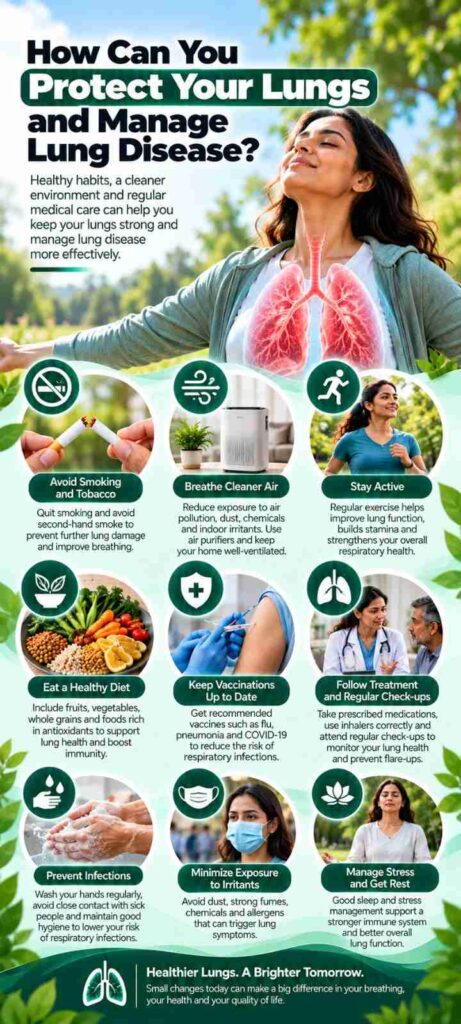
How Can You Protect Your Lungs and Manage Lung Disease?
Although not every lung disease can be prevented, healthy habits and appropriate medical care can support respiratory health.
1. Avoid Smoking and Second-Hand Smoke
Smoking can damage lung tissue and increase the risk of several lung diseases. Avoid tobacco products and second-hand smoke to help protect your respiratory health. If you smoke and need help quitting, ask a healthcare professional about available support.
2. Reduce Exposure to Air Pollution
Check local air-quality conditions when pollution levels are high and limit strenuous outdoor activity when advised.
3. Stay Physically Active Within Your Limits
Suitable physical activity can support general health and help maintain stamina. If you have a chronic lung condition, discuss safe activity levels with your healthcare professional.
4. Follow Your Prescribed Treatment Plan
If you have been diagnosed with lung disease, use prescribed inhalers and medicines as directed.
5. Reduce the Risk of Respiratory Infections
Follow recommended vaccinations based on your age, medical history and local guidance.
6. Maintain Balanced Nutrition and Hydration
A balanced diet provides nutrients needed for overall health. Drinking adequate fluids may help some people manage mucus, but individual needs vary, particularly for people with heart or kidney conditions.
7. Attend Medical Follow-Ups
Report persistent coughing, increasing breathlessness, reduced activity tolerance or recurring respiratory infections rather than waiting for symptoms to become severe.
When Should You Seek Medical Help?
Arrange a medical assessment for persistent or worsening respiratory symptoms. Seek emergency medical care for severe difficulty breathing, blue or grey lips, confusion or severe chest pain.
Key takeaway: Protecting lung health involves reducing avoidable exposures, following appropriate medical advice and managing existing lung disease with a care plan suited to your needs.
When Should You See a Doctor for Lung Disease?
Consult a healthcare professional if you experience a persistent cough, recurring wheezing, unexplained breathlessness or repeated chest infections. Early evaluation can help identify the cause and guide appropriate treatment.