EYE CARE
Your eyes help you see, learn, work, and stay connected with the world around you. Taking care of your eyes is important at every age. Some eye problems may cause noticeable symptoms such as blurred vision, redness, dryness, pain, or sensitivity to light, while some conditions may develop without obvious early warning signs.
Regular eye checkups, healthy lifestyle habits, and timely treatment can help protect your vision and identify problems early
What Is Eye Care?
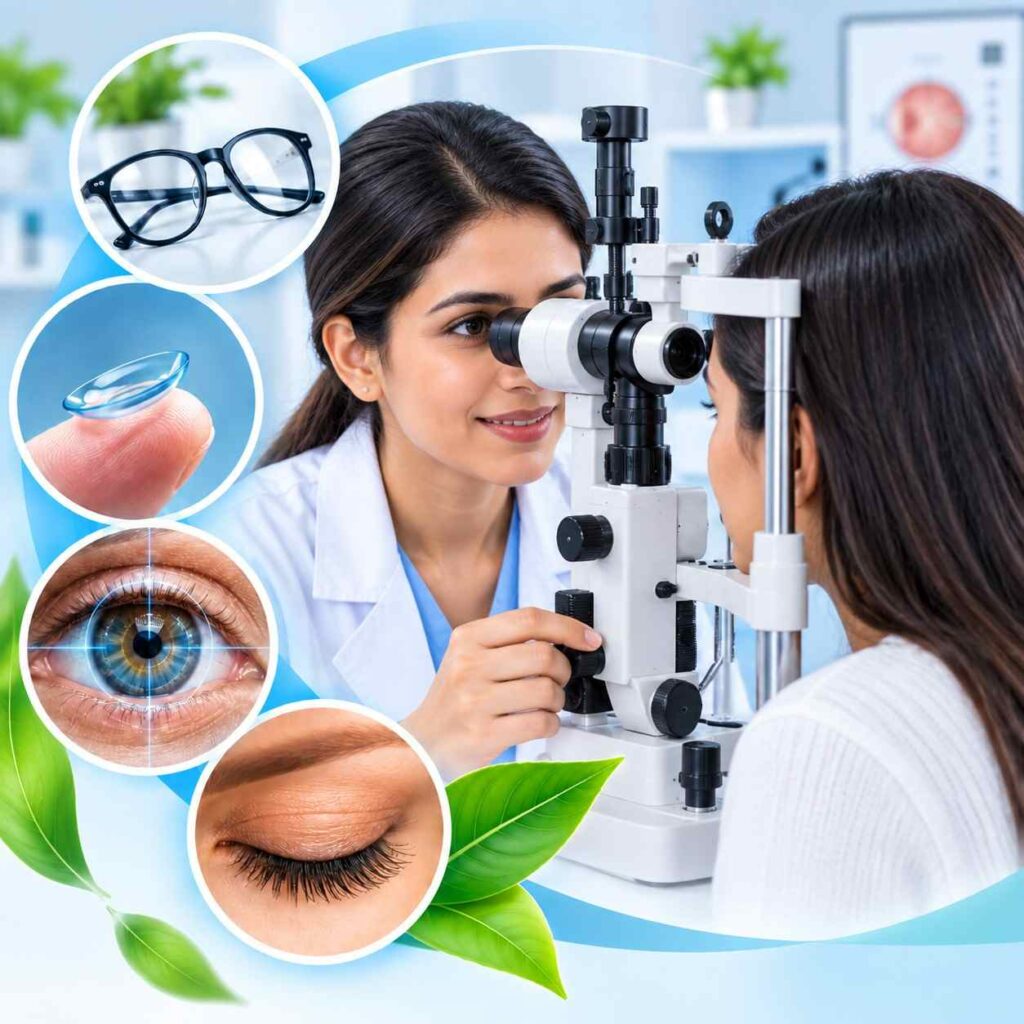
Eye care includes the everyday habits, regular examinations, and medical care that help maintain healthy eyes and good vision.
Eye problems can happen because of age, genetics, certain medical conditions, infections, injuries, prolonged screen use, or other factors. Common problems include dry eyes, eye strain, cataracts, glaucoma, conjunctivitis, refractive errors, retinal disorders, and other vision-related conditions.
Taking care of your eyes does not only mean getting glasses when your vision becomes blurry. Regular eye care can also help doctors identify conditions that may not cause noticeable symptoms in the early stages.
What Is Eye Care?
Eye care includes the everyday habits, regular examinations, and medical care that help maintain healthy eyes and good vision.
Eye problems can happen because of age, genetics, certain medical conditions, infections, injuries, prolonged screen use, or other factors. Common problems include dry eyes, eye strain, cataracts, glaucoma, conjunctivitis, refractive errors, retinal disorders, and other vision-related conditions.
Taking care of your eyes does not only mean getting glasses when your vision becomes blurry. Regular eye care can also help doctors identify conditions that may not cause noticeable symptoms in the early stages.
Common Eye Problems
Different eye conditions can affect people in different ways. Some are temporary and easy to manage, while others require examination and ongoing treatment.
Common eye problems include:
Dry eye happens when your eyes do not produce enough tears or tears evaporate too quickly.
Symptoms may include:
- Burning or stinging
- Gritty feeling
- Redness
- Watery eyes
- Blurred vision
- Eye tiredness
Long screen time, certain medicines, ageing and other health conditions may contribute to dry eyes.
Tired, uncomfortable eyes, often after prolonged reading, computer work, or other close-up activities.
A cataract happens when the natural lens inside the eye becomes cloudy.
Common symptoms include:
- Blurry or cloudy vision
- Difficulty seeing at night
- Sensitivity to bright lights
- Faded colours
- Halos around lights
Cataracts are common with ageing and can often be treated with surgery when vision becomes affected.
Glaucoma is a group of eye diseases that damage the optic nerve, which connects the eye to the brain.
Glaucoma may develop slowly without noticeable symptoms. If left untreated, it can cause permanent vision loss.
Regular eye examinations are important because early detection and treatment can help protect vision.
Conjunctivitis is inflammation of the thin membrane covering the white part of the eye and the inside of the eyelids.
It may be caused by viruses, bacteria or allergies.
Common symptoms include:
- Red eyes
- Watery eyes
- Itching or burning
- Swollen eyelids
- Eye discharge
- Feeling like something is in the eye
Some types of conjunctivitis can spread from person to person. Good hand hygiene and avoiding shared towels can help reduce the spread of infection.
Refractive errors happen when the eye does not focus light properly. They can cause blurry vision.
Common types include:
- Myopia (short-sightedness)
- Hyperopia (long-sightedness)
- Astigmatism
- Presbyopia
Glasses or contact lenses may help correct many refractive errors.
Small spots or shapes that appear to move across your field of vision.
Conditions affecting the retina, including diabetic retinopathy and retinal detachment.
Conditions affecting the clear front surface of the eye.
Changes in near or distance vision that may require evaluation.
What Causes Eye Problems?
Eye problems can develop for many different reasons. Common contributing factors include:
Ageing
As people grow older, the risk of certain eye conditions, including cataracts, glaucoma and age-related macular degeneration, increases.
Long Screen Time
Spending a long time looking at screens may contribute to eye strain, tiredness and dry eye symptoms.
Diabetes and High Blood Pressure
Certain health conditions can affect the eyes and increase the risk of eye disease.
Eye Injuries
Dust, chemicals, foreign objects or accidents can damage the eyes and affect vision.
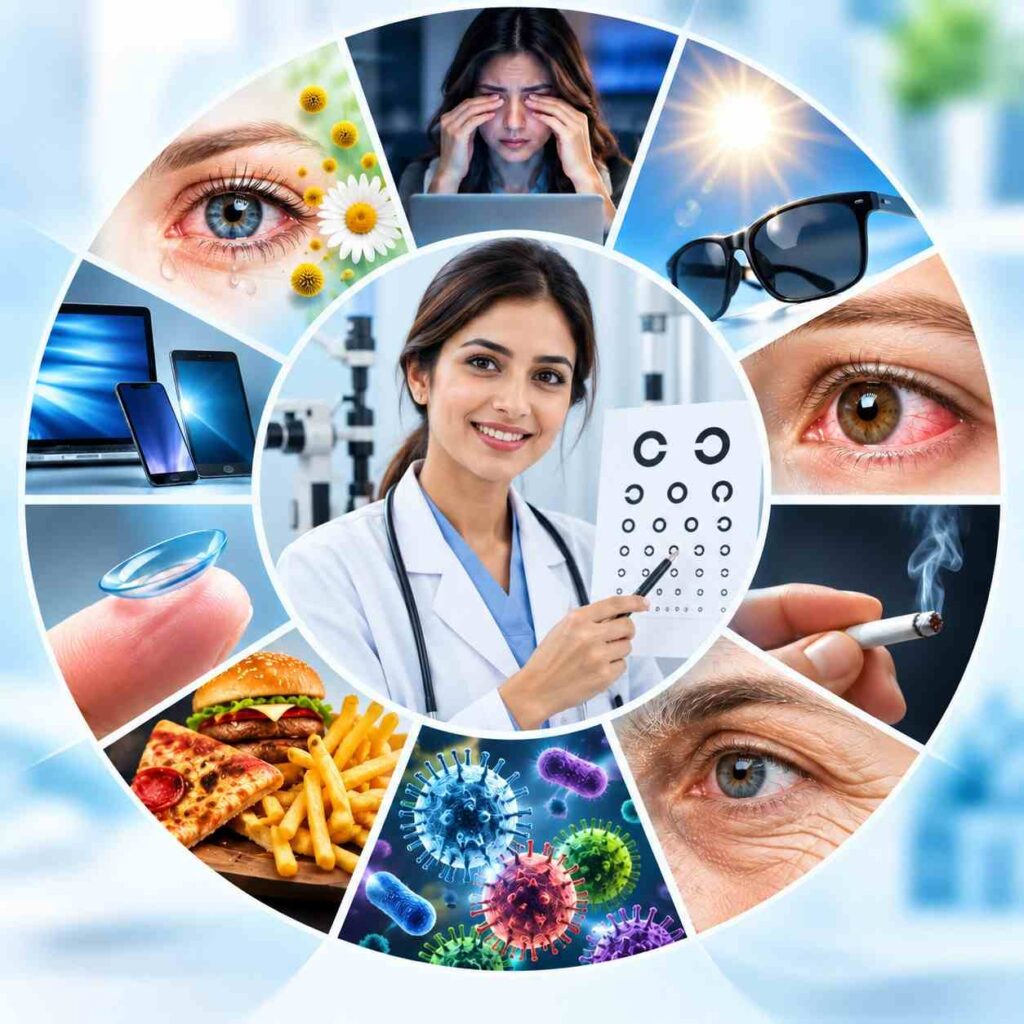
Allergies and Infections
Allergies, viruses and bacteria can cause eye redness, itching, watering and irritation.
Family History
Some eye conditions, including glaucoma, may run in families.
Eye Care Tips for Healthy Eyes
Follow these simple eye care tips to help protect your vision:
1. Get Regular Eye Checkups
Regular eye examinations can help detect vision problems and certain eye diseases early. The frequency of checkups depends on your age, health, and risk factors.
2. Follow the 20-20-20 Rule
When using a computer or mobile phone for long periods, follow the 20-20-20 rule:
Every 20 minutes, look at something about 20 feet away for 20 seconds.
This may help reduce digital eye strain.
3. Eat a Balanced Diet
Include a variety of fruits, vegetables, leafy greens, and other nutritious foods in your diet. A balanced diet supports overall health and normal eye function.
4. Protect Your Eyes From the Sun
Wear sunglasses that provide suitable UV protection when outdoors in bright sunlight.
5. Avoid Rubbing Your Eyes
Rubbing your eyes may increase irritation and can spread germs. Wash your hands before touching your eyes.
6. Use Contact Lenses Safely
Follow your eye specialist’s instructions for contact lens cleaning, wearing time, and replacement. Never share contact lenses.
7. Keep Your Screen at a Comfortable Distance
Adjust screen brightness, text size, and lighting to make computer and mobile use more comfortable.
8. Protect Your Eyes From Injury
Use suitable protective eyewear during activities that may expose your eyes to dust, chemicals, or flying particles.
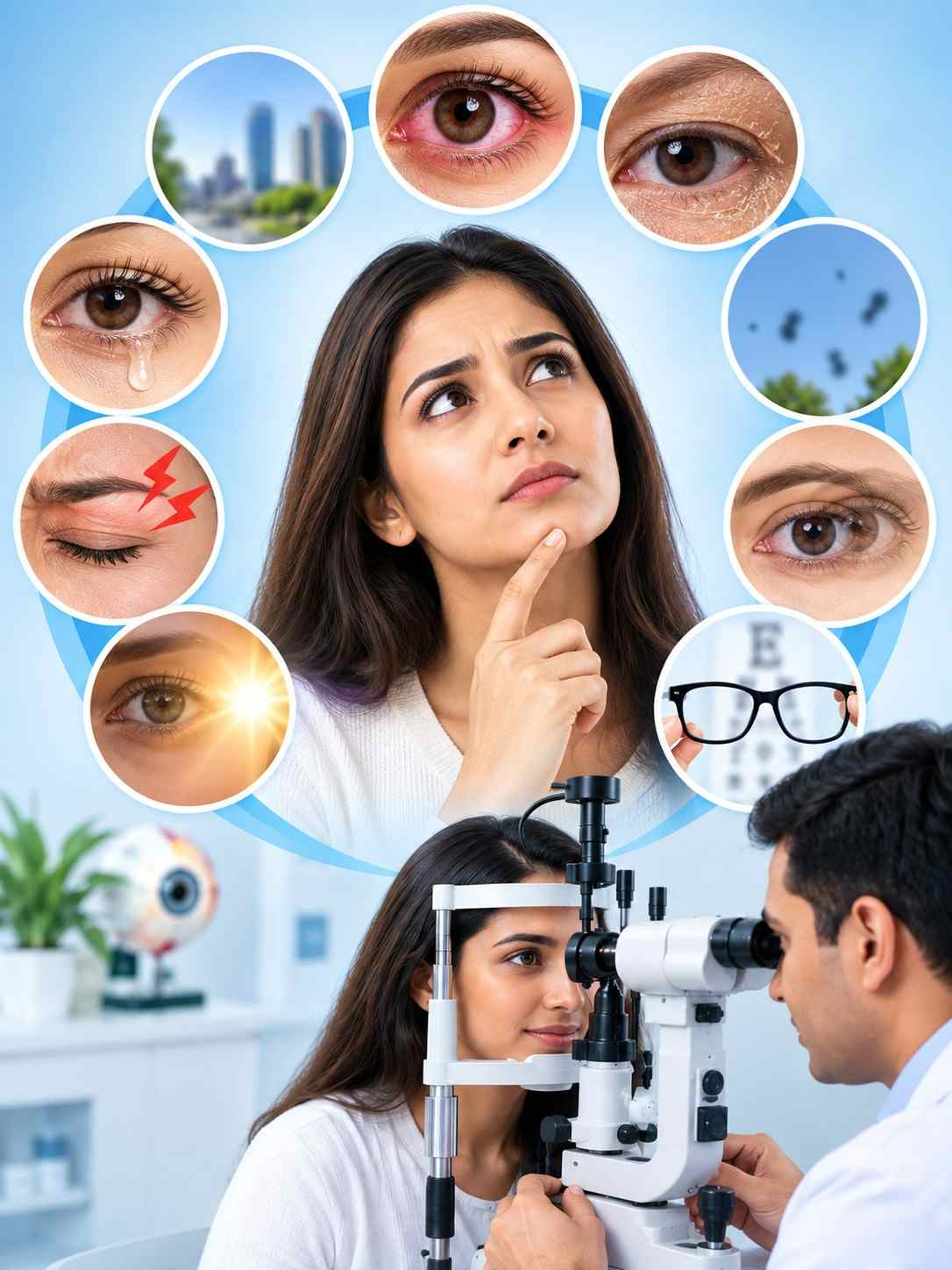
When Should You See an Eye Doctor?
You should consult an eye specialist if you experience:
- Persistent blurred vision
- Eye pain or redness
- Repeated headaches with vision problems
- Sudden changes in vision
- Difficulty seeing at night
- Persistent dryness or irritation
- Flashes of light or new floaters
Seek urgent medical care for sudden vision loss, severe eye pain, or an eye injury involving chemicals or a penetrating object. Do not delay emergency evaluation.
Eye Care Treatment
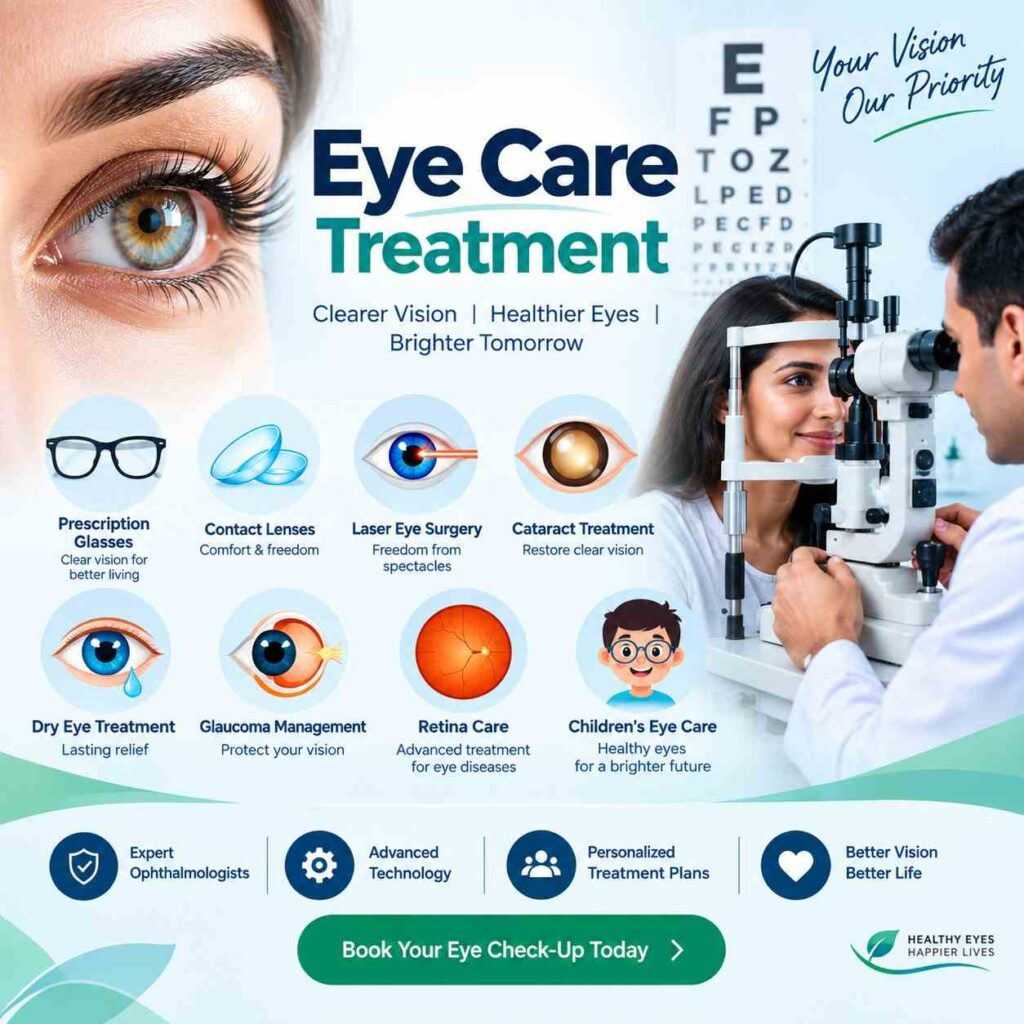
Treatment for eye problems depends on the diagnosis and severity of the condition.
Depending on the cause, an eye doctor may recommend:
- Prescription glasses
- Contact lenses
- Lubricating eye drops
- Medicines
- Treatment for infections or allergies
- Laser procedures
- Surgery for certain eye conditions
Do not use antibiotic or steroid eye drops without medical advice. The correct treatment depends on the underlying cause.
Additional Eye Care Content Ideas
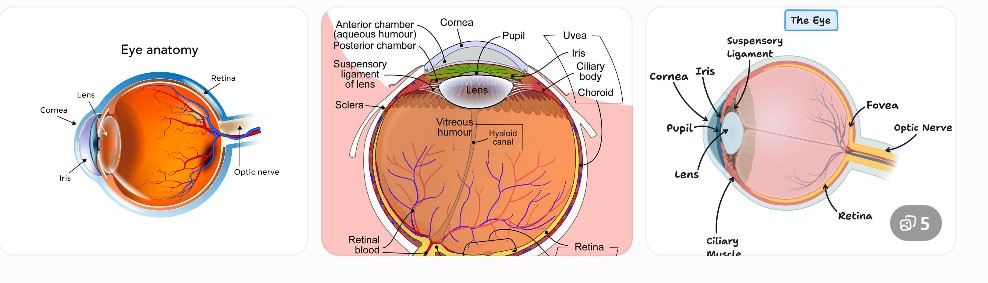
1. Eye Anatomy – Know Your Eyes
The eye has several important parts that work together to help us see.
Cornea: The clear front surface of the eye that helps focus light.
Iris: The colored part of the eye that controls the size of the pupil.
Pupil: The opening through which light enters the eye.
Lens: Focuses light onto the retina.
Retina: A light-sensitive layer at the back of the eye.
Optic Nerve: Carries visual signals from the eye to the brain.
Understanding eye anatomy can help you learn how vision works and how different eye diseases affect the eyes.
2. Eye Care for Children
Children need proper eye care because vision plays an important role in learning and development.
Common Eye Problems in Children
Myopia (short-sightedness)
Amblyopia (lazy eye)
Strabismus (crossed eyes)
Eye infections
Vision problems
Tips for Children’s Eye Health
Schedule age-appropriate eye examinations.
Encourage outdoor play.
Take regular breaks from screens.
Watch for squinting or difficulty seeing the board.
Consult an eye specialist if your child has vision concerns.
3. Eye Care for Older Adults
As we age, the risk of certain eye conditions increases. Regular eye examinations can help identify vision changes and some eye diseases.
Common Age-Related Eye Problems
Cataract
Glaucoma
Age-related macular degeneration
Presbyopia
Dry eye
Eye Care Tips for Seniors
Get regular eye checkups.
Use prescribed glasses or contact lenses.
Manage diabetes and blood pressure with medical guidance.
Keep walkways well lit to reduce fall risks.
Report sudden changes in vision promptly.
4. Eye Care and Diabetes
Diabetes can affect the blood vessels in the retina and may lead to diabetic eye disease. Some diabetic eye conditions can develop without noticeable symptoms in the early stages.
Important Points
People with diabetes may need regular dilated eye examinations.
Good blood sugar control can help reduce the risk of complications.
Blood pressure and cholesterol management are also important.
Do not wait for vision problems before discussing eye screening with your doctor.
5. Eye Care in Pregnancy
Pregnancy can cause temporary changes in vision for some women. However, certain vision changes may indicate a health problem that needs urgent medical attention.
Eye Health During Pregnancy
Discuss new vision changes with your healthcare provider.
Do not start eye medicines without medical advice.
Sudden blurred vision, flashes, or vision loss require urgent medical evaluation.
People with diabetes should follow their recommended eye screening schedule.
6. Eye Care for Computer and Mobile Users
Many people spend several hours using computers, tablets, and mobile phones. Prolonged screen use may contribute to eye strain and dryness.
How to Protect Your Eyes During Screen Use
Follow the 20-20-20 rule.
Blink regularly.
Keep the screen at a comfortable distance.
Adjust screen brightness and room lighting.
Take breaks during long work sessions.
Use prescribed glasses if needed.
Common Symptoms of Digital Eye Strain
Tired eyes
Dryness
Headache
Temporary blurred vision
Difficulty focusing
7. Eye Care Nutrition
A balanced diet supports overall health and normal eye function.
Foods to Include in a Balanced Diet
Leafy green vegetables such as spinach.
Colorful fruits and vegetables.
Eggs and other sources of protein.
Fish and other nutritious foods.
Nuts and seeds.
Adequate water.
Food alone cannot prevent or treat every eye disease. If you have a diagnosed eye condition, follow your doctor’s advice.