Hypertension: Symptoms, Causes, Diagnosis & Treatment
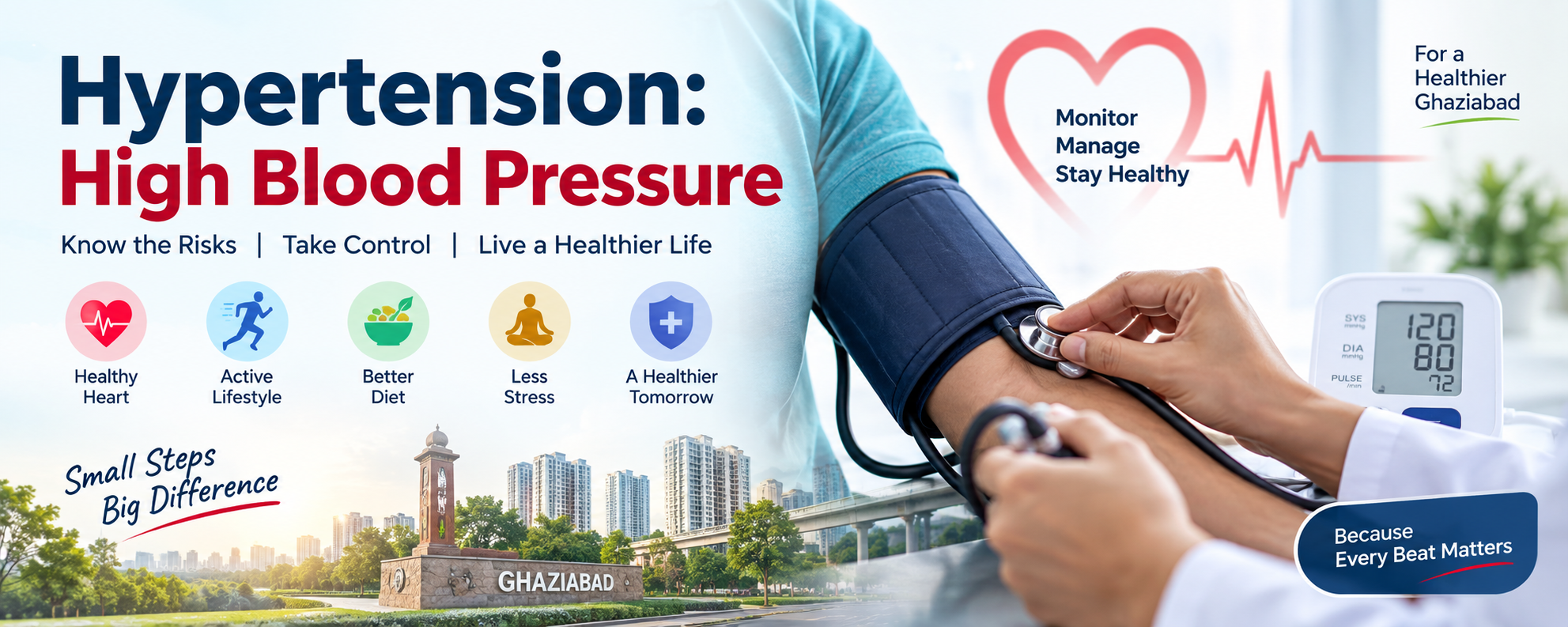
Hypertension, also called high blood pressure, is a condition in which blood pressure remains higher than recommended over time. Learn how high blood pressure is detected, what can increase your risk, how it can affect the heart, brain and kidneys, and how it is managed.
What Is Hypertension?
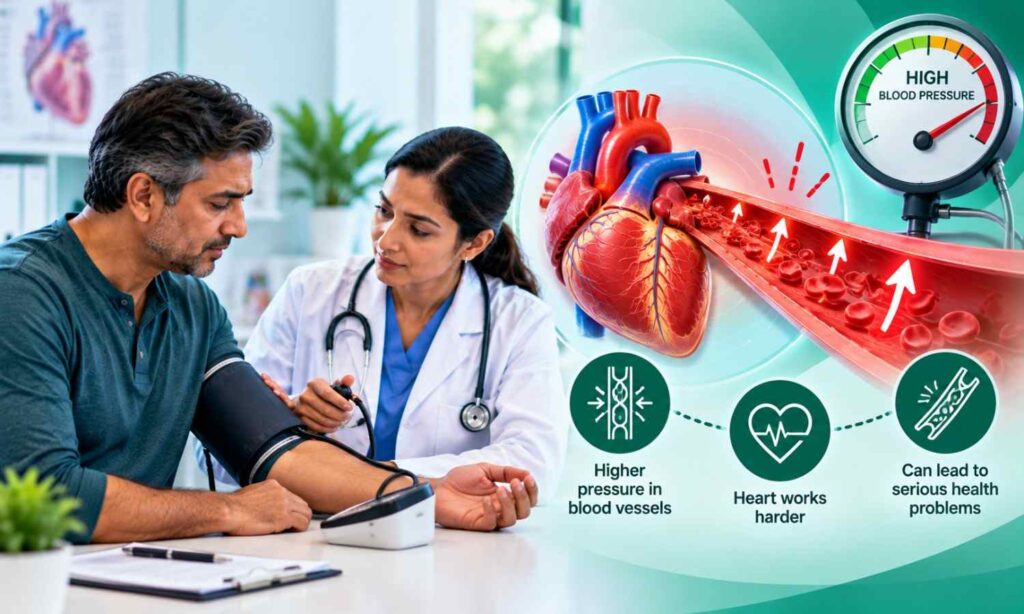
Hypertension, commonly called high blood pressure, is a condition in which the pressure of blood against the walls of the arteries remains higher than recommended. It is often detected through blood pressure measurements because many people do not notice symptoms. If blood pressure remains uncontrolled, it can increase the risk of cardiovascular disease, stroke, kidney problems and other complications.
Hypertension at a Glance
Key facts about high blood pressure, how it is measured, diagnosed and managed.
What Are the Symptoms of Hypertension?
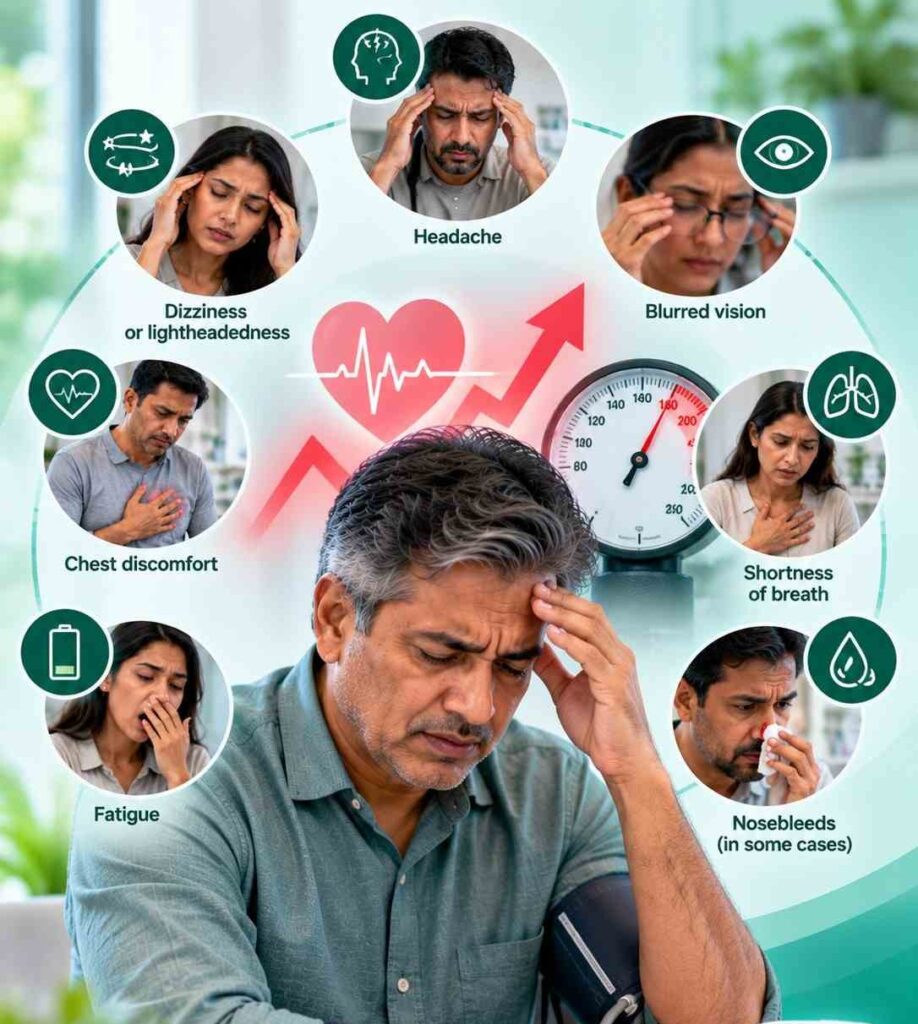
High blood pressure often has no noticeable symptoms. Many people discover they have hypertension during a routine blood pressure check or medical evaluation.
Possible symptoms when blood pressure is severely elevated
- severe headache
- vision changes
- shortness of breath
- chest discomfort
- dizziness
- confusion
- weakness or neurological symptoms
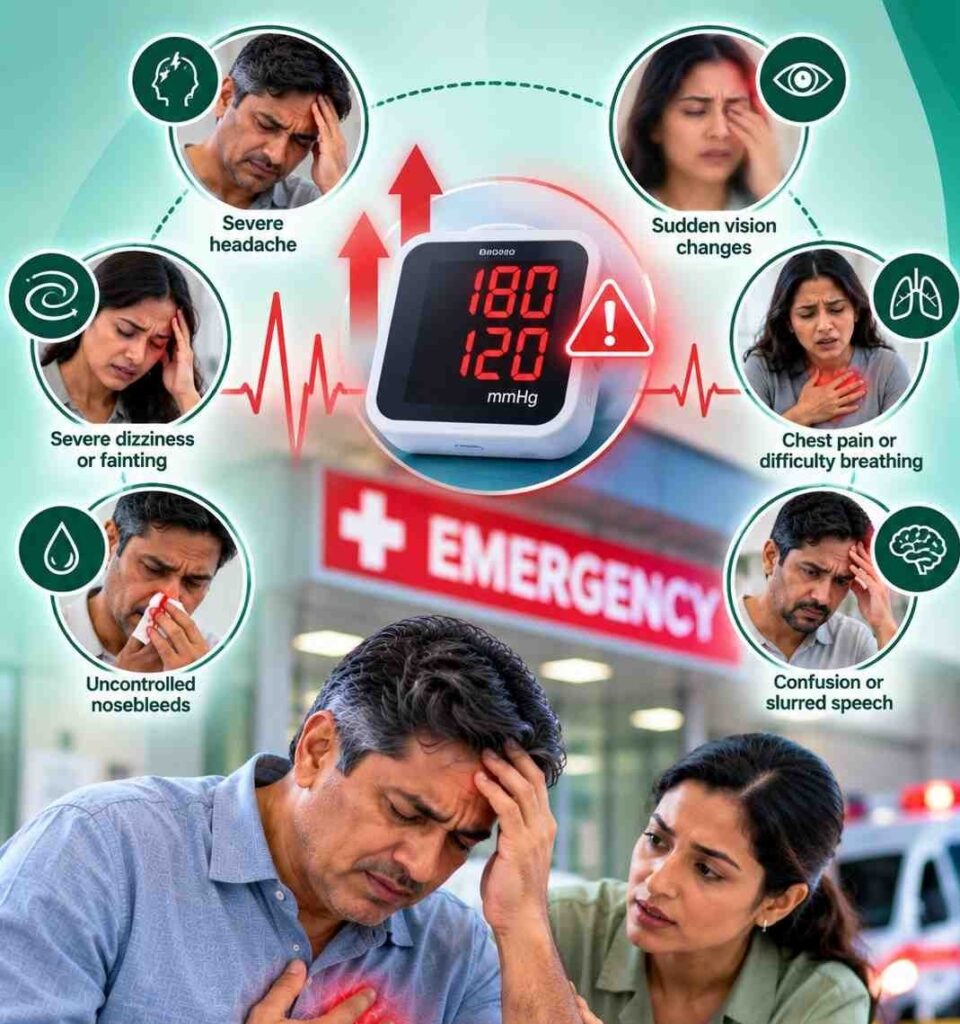
When Is High Blood Pressure an Emergency?
If someone has very high blood pressure together with concerning symptoms such as:
- severe chest pain
- severe shortness of breath
- sudden weakness or numbness
- difficulty speaking
- sudden vision changes
- severe confusion
- seizure
- loss of consciousness
Types of Hypertension
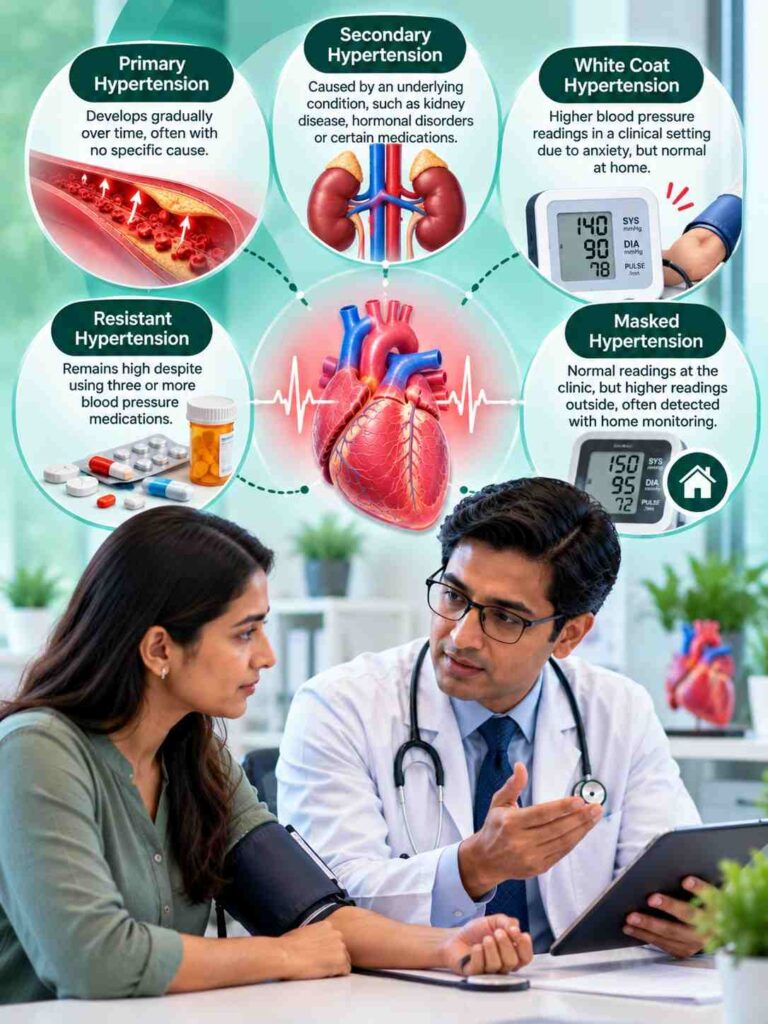
Primary Hypertension
Develops gradually without a single identifiable cause and is influenced by a combination of genetic, environmental and lifestyle factors.
Secondary Hypertension
High blood pressure caused or strongly influenced by another condition, medication or identifiable factor.
Possible contributors include:
- kidney disease
- hormonal disorders
- sleep apnea
- certain medications
- some vascular conditions
Resistant Hypertension
Blood pressure that remains above the desired level despite treatment with multiple appropriate medicines may require further evaluation.
What Causes Hypertension?
For primary hypertension:
There is usually no single cause. Blood pressure can be influenced by genetics, age, diet, physical activity, body weight, sleep, stress and other environmental and health factors.
For secondary hypertension:
Some cases result from another medical condition or medication.
Risk Factors for High Blood Pressure
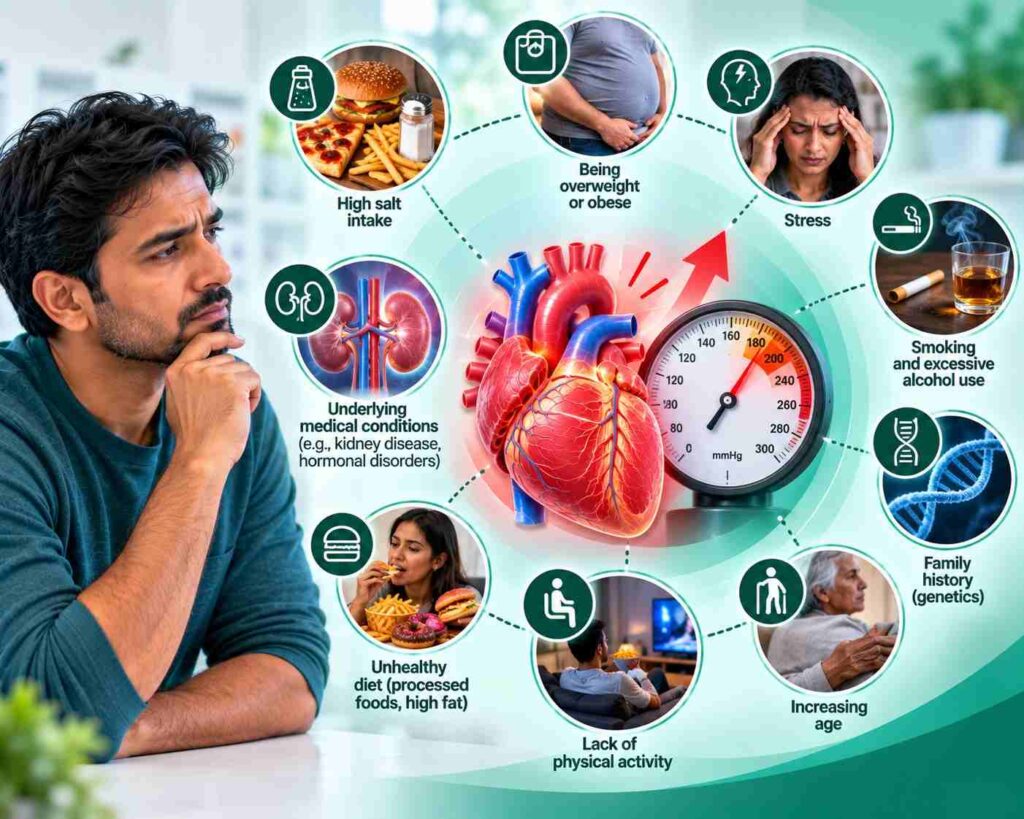
Several factors can increase the likelihood of developing high blood pressure. Some can be modified, while others cannot.
Increasing Age
The risk of high blood pressure generally increases with age.
Family History
Having a family history of high blood pressure can increase risk.
Overweight or Obesity
Excess body weight can increase the strain on the cardiovascular system and contribute to higher blood pressure.
High Sodium Intake
A diet high in sodium can contribute to increased blood pressure in some people.
Physical Inactivity
Not getting enough regular physical activity can increase cardiovascular risk.
Tobacco Use
Tobacco use can damage blood vessels and contribute to cardiovascular risk.
Excess Alcohol
Excessive alcohol consumption can contribute to elevated blood pressure.
Diabetes
Diabetes is associated with an increased risk of high blood pressure and cardiovascular complications.
High Cholesterol
High cholesterol is an important cardiovascular risk factor that can occur alongside hypertension.
Kidney Disease
Kidney disease and high blood pressure can affect each other, making blood pressure management important.
Poor Sleep
Inadequate or poor-quality sleep may be associated with a higher risk of elevated blood pressure.
Sleep Apnea
Sleep apnea is associated with high blood pressure and may make blood pressure more difficult to control.
How Does Hypertension Affect the Body?
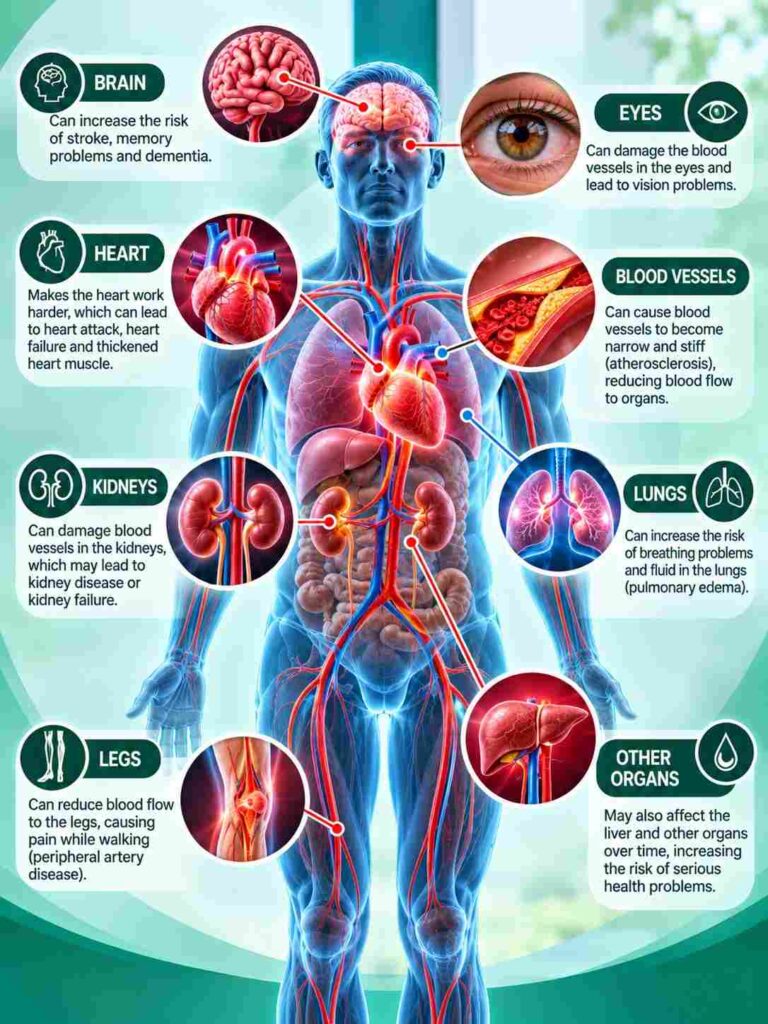
 Heart
Long-term high blood pressure can place additional strain on the heart and contribute to cardiovascular disease.
 Brain
Hypertension is an important risk factor for stroke.
 Kidneys
High blood pressure can damage blood vessels in the kidneys and is associated with kidney disease.
 Eyes
Long-standing hypertension can affect blood vessels supplying the eyes.
 Blood Vessels
High blood pressure can contribute to changes and damage in arteries over time.
 Peripheral Circulation
Long-term cardiovascular risk can also affect circulation elsewhere in the body.
Quick Facts About Hypertension
Common Name
High Blood Pressure
Usually
May have no obvious symptoms
Main Test
Blood pressure measurement
Risk Factors
Age, family history, obesity, inactivity, high-salt diet and others
Treatment
Lifestyle changes and medicines when needed
Important
Regular monitoring helps detect and manage high blood pressure
Monitor your blood pressure regularly.
Choose more vegetables, fruits, whole grains and pulses.
Include regular physical activity in your routine.
Smoking and tobacco can increase cardiovascular risk.
Work toward a healthy weight with sustainable lifestyle changes.
Take prescribed medicines exactly as advised.
How Does Hypertension Affect Your Heart?
High blood pressure makes the heart work harder to pump blood. Over time, uncontrolled hypertension can contribute to changes in the heart and blood vessels and increase cardiovascular risk.
Conditions That Can Be Linked to Cardiovascular Risk
Explore related heart conditions and cardiovascular health topics.
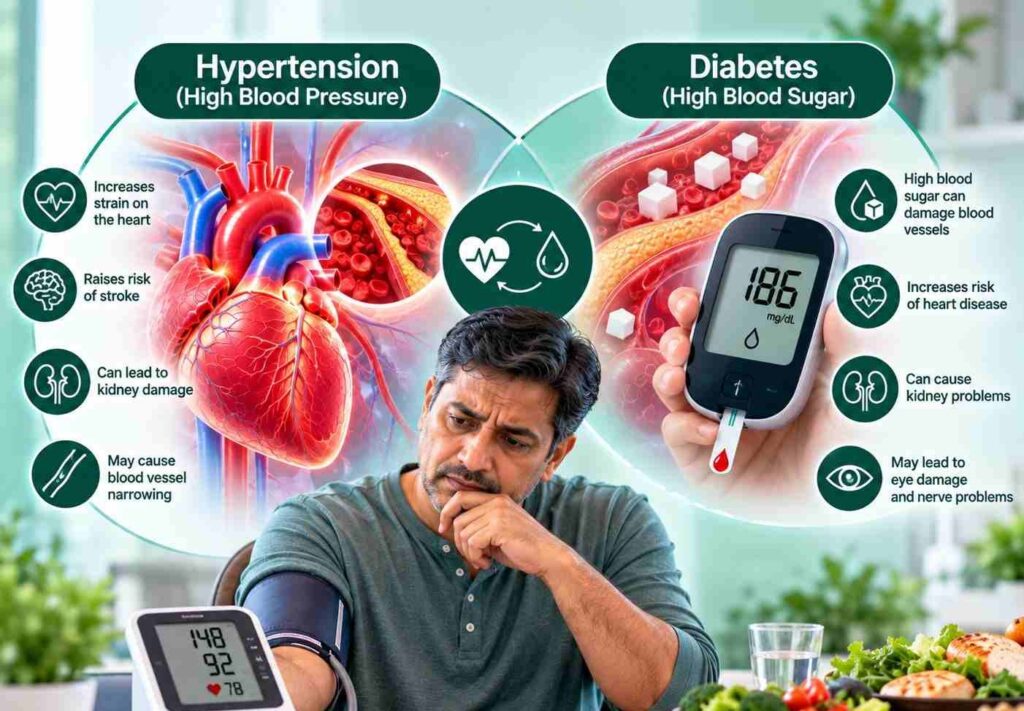
Hypertension and Diabetes
Diabetes and hypertension commonly occur together and can increase the risk of cardiovascular and kidney complications. Managing blood pressure, blood glucose, cholesterol and other risk factors is an important part of long-term care.
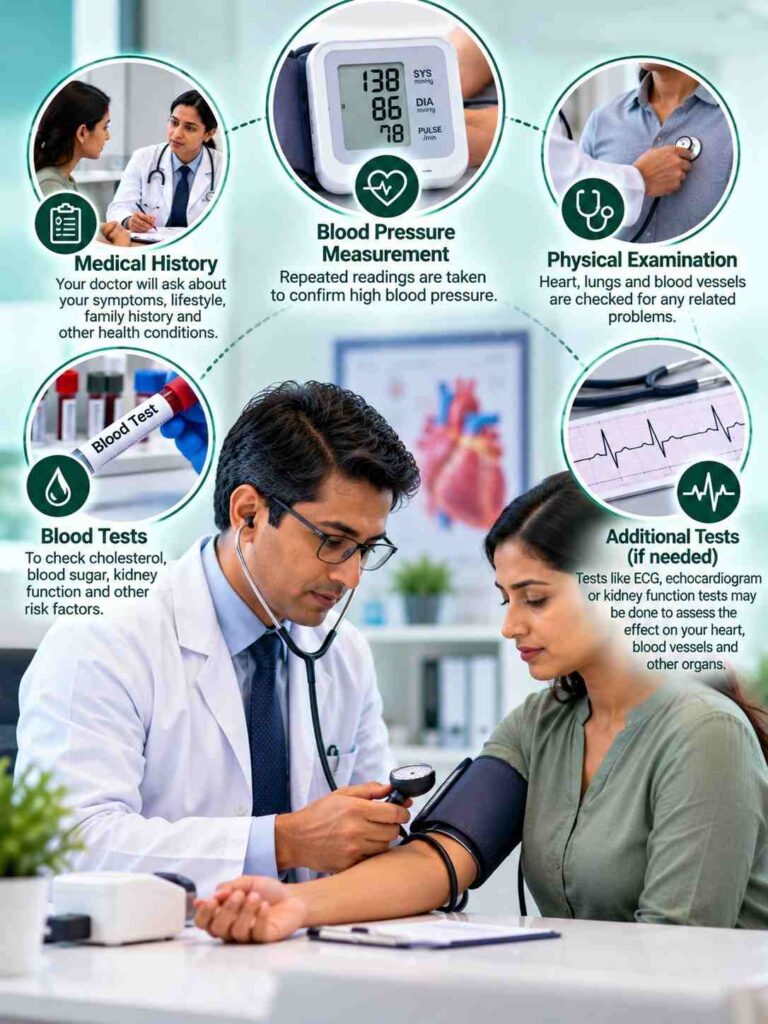
How Is Hypertension Diagnosed?
Step 1 — Blood Pressure Measurement
A healthcare professional measures blood pressure using a validated blood pressure device.
Step 2 — Repeat Measurements
Because blood pressure naturally changes, additional measurements may be needed.
Step 3 — Home Monitoring
Your doctor may recommend measuring blood pressure at home.
Step 4 — Medical History
Your healthcare professional may review:
- family history
- medications
- lifestyle
- other health conditions
- cardiovascular risk factors
Step 5 — Additional Testing
Depending on the situation, blood tests, urine tests or other evaluations may be recommended to look for contributing conditions or complications.
How to Check Blood Pressure at Home
Follow these simple steps to help take your blood pressure reading correctly at home.
Sit quietly
→Support your back
→Keep both feet flat
→Rest your arm at heart level
→Don't talk during measurement
→Record your readings
Understanding Blood Pressure Numbers
A blood pressure reading has two numbers. The top number measures pressure when the heart contracts, while the bottom number measures pressure when the heart relaxes between beats.
Systolic Pressure
The pressure in your arteries when your heart contracts and pumps blood into the body.
Diastolic Pressure
The pressure in your arteries when your heart relaxes between beats.
| Blood Pressure Category | Systolic (mm Hg) | Diastolic (mm Hg) |
|---|---|---|
| Normal | <120 | and <80 |
| Elevated | 120–129 | and <80 |
| Hypertension — Stage 1 | 130–139 | or 80–89 |
| Hypertension — Stage 2 | ≥140 | or ≥90 |
| Severe Hypertension | >180 | and/or >120 |
Guideline framework: Categories shown above follow the 2017 ACC/AHA blood-pressure classification system. Blood-pressure thresholds can differ between professional organizations, so Ghaziabad Clinic should use one medically reviewed guideline framework consistently across its hypertension content.
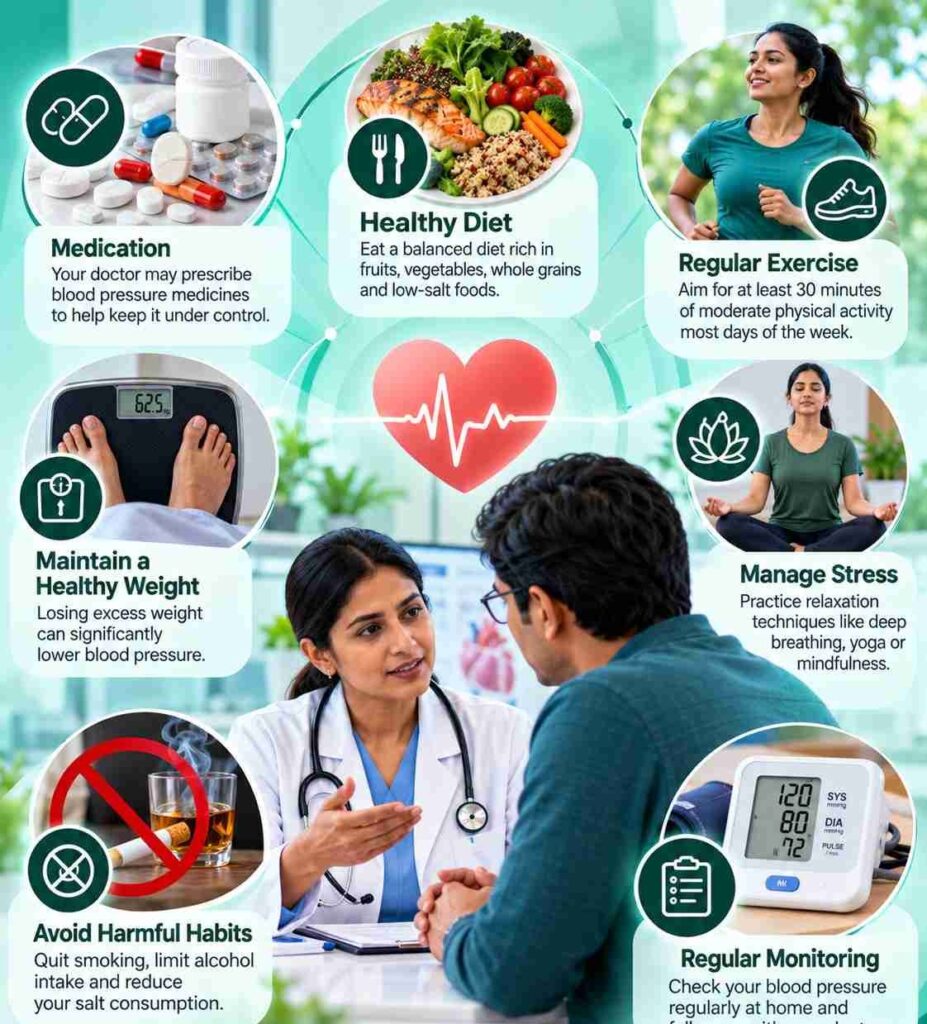
How Is Hypertension Treated?
Treatment depends on your blood pressure readings, cardiovascular risk, age, other health conditions and response to treatment. Some people need lifestyle changes alone, while others require medication or a combination of approaches.
Lifestyle Management
- Reduce excess sodium
- Eat a balanced diet
- Stay physically active
- Maintain a healthy weight
- Avoid tobacco
- Limit alcohol
- Get adequate sleep
- Manage stress
High Blood Pressure During Pregnancy
High blood pressure during pregnancy needs appropriate medical monitoring because pregnancy-related hypertensive disorders can have serious consequences.
What Problems Can Uncontrolled Hypertension Cause?
Persistently high blood pressure can place ongoing stress on the heart, blood vessels and other organs. Over time, uncontrolled hypertension may contribute to serious cardiovascular, neurological, kidney and eye problems.
Heart Disease
Uncontrolled hypertension can place continuous strain on the heart and blood vessels. Over time, this may contribute to changes in the heart and increase the risk of coronary artery disease and other cardiovascular problems.
Learn About Heart Disease →Stroke
High blood pressure is an important risk factor for stroke. Persistent pressure can damage blood vessels supplying the brain and contribute to problems that interrupt normal blood flow. Keeping blood pressure controlled can help reduce cardiovascular and stroke risk.
Kidney Disease
The kidneys depend on healthy blood vessels to filter waste and excess fluid from the blood. Long-term uncontrolled hypertension can damage these vessels and impair kidney function. Kidney problems can also make blood pressure more difficult to control.
Speak With a Nephrologist →Eye Problems
Uncontrolled hypertension can affect the small blood vessels that supply the retina. Damage to these vessels may affect vision and is one reason regular blood pressure management is important for long-term eye and cardiovascular health.
Consult an Ophthalmologist →Blood Vessel Damage
Persistent high blood pressure can place excessive force on artery walls. Over time, this may contribute to blood vessel damage and increase the risk of cardiovascular complications affecting organs throughout the body.
Explore Heart & Circulation →Heart Failure
Long-term uncontrolled hypertension can make the heart work harder to pump blood. Over time, this increased workload can contribute to structural and functional changes in the heart and increase the risk of heart failure.
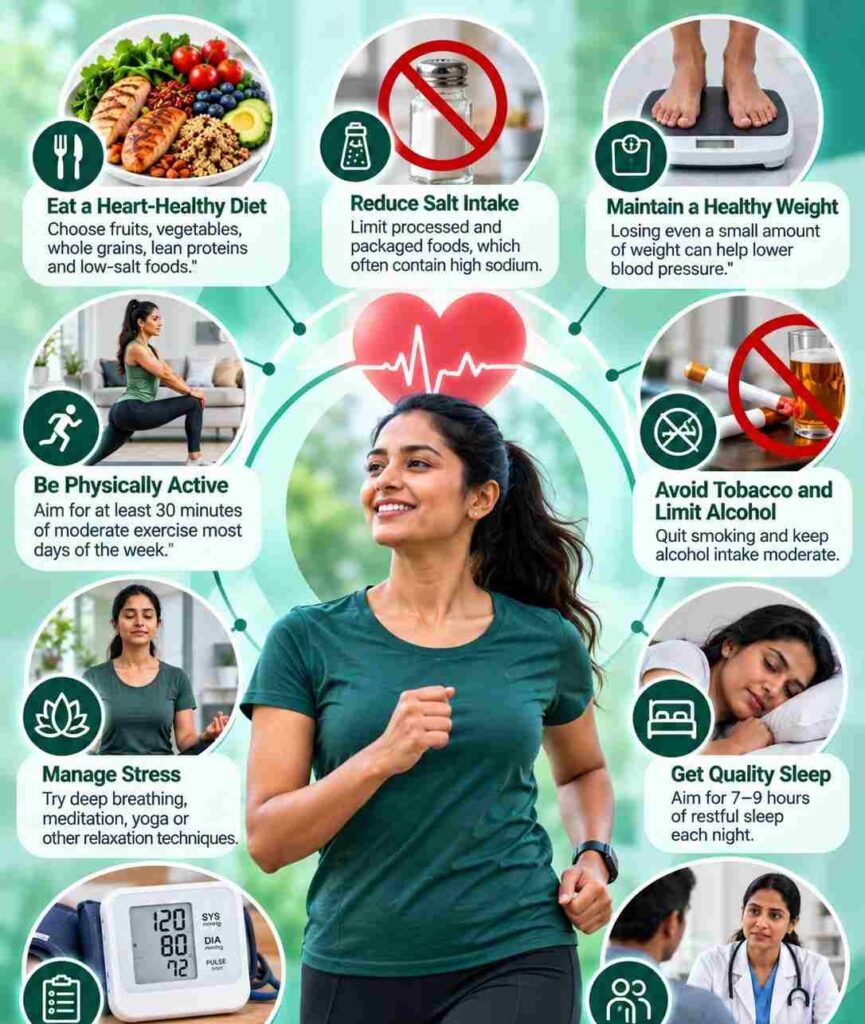
How Can You Manage or Reduce Your Risk of High Blood Pressure?
Check your blood pressure
Reduce excess sodium
Stay active
Avoid tobacco
Maintain a healthy weight
Sleep well
Manage diabetes and cholesterol
Follow your treatment plan

Which Doctor Treats Hypertension?
General Physician / Internal Medicine Specialist
Often a good starting point for evaluation and ongoing management.
Cardiologist
May be involved when hypertension is associated with cardiovascular disease or other heart-related concerns.
Nephrologist
May be involved when kidney disease or difficult-to-control hypertension is suspected.
Endocrinologist
May be appropriate when an endocrine or metabolic condition contributes to high blood pressure.
Frequently Asked Questions About Hypertension
Find clear answers to common questions about high blood pressure, its symptoms, causes, diagnosis, treatment and long-term health risks.
Hypertension is the medical term for persistently high blood pressure. It occurs when the force of blood against the walls of the arteries remains higher than recommended over time. If uncontrolled, hypertension can increase the risk of heart disease, stroke, kidney disease and other complications.
Yes. High blood pressure and hypertension generally refer to the same condition. “Hypertension” is the medical term used when blood pressure remains elevated. A healthcare professional may use repeated measurements and other clinical information when assessing whether a person has hypertension.
Yes. Hypertension often causes no noticeable symptoms, even when blood pressure is significantly elevated. This is why regular blood pressure checks can be important. Symptoms such as headache or dizziness should not be relied upon alone to determine whether someone has high blood pressure.
High blood pressure can develop from a combination of genetic, lifestyle and health-related factors. In some people, an underlying condition or medication may contribute to hypertension. In many adults, however, there is no single identifiable cause, and risk factors may build up over time.
Risk factors can include increasing age, family history, excess body weight, high sodium intake, physical inactivity, tobacco use, excess alcohol, diabetes, high cholesterol, kidney disease, poor sleep and sleep apnea. Having one or more risk factors does not mean hypertension is inevitable.
Hypertension is assessed using blood pressure measurements. Healthcare professionals may take repeated readings during different visits or recommend home or ambulatory monitoring. Diagnosis also considers the measurement technique, clinical history and other health factors rather than relying on one reading alone.
Yes. Home blood pressure monitoring can help you and your healthcare professional understand your blood pressure pattern. Use a validated blood pressure monitor, follow the recommended measurement technique and record your readings according to the monitoring schedule advised by your healthcare professional.
Systolic pressure is the top number in a blood pressure reading and represents the pressure in the arteries when the heart contracts and pumps blood. Diastolic pressure is the bottom number and represents arterial pressure while the heart relaxes between beats.
Whether hypertension can be reversed depends on its cause and the individual. Some people can substantially improve their blood pressure through lifestyle changes or treatment of an underlying cause. Many people require long-term monitoring and, when appropriate, medication to keep blood pressure controlled.
If you have high blood pressure, limiting foods high in sodium can be helpful. This may include heavily processed foods, packaged snacks and foods with large amounts of added salt. A heart-healthy eating pattern that emphasizes vegetables, fruits, whole grains and other nutritious foods may also support blood pressure management.
Yes. Long-term uncontrolled hypertension can place extra strain on the heart and blood vessels and is an important cardiovascular risk factor. Over time, it can contribute to conditions such as heart disease, heart failure and other cardiovascular complications.
Speak with a healthcare professional if your readings are repeatedly above the range recommended for you, if you have been advised to monitor your blood pressure, or if you have risk factors or symptoms that concern you. Very high readings, especially with symptoms such as chest pain, severe shortness of breath, weakness, confusion or vision changes, require urgent medical attention.