





1 of 9 / Overview
What to Consider When Choosing Birth Control
Choosing birth control involves considering effectiveness, side effects, lifestyle, health, and personal preferences to find the best method.
How and Where to Get Birth Control
Birth Control: How to Talk to Your OB/GYN
Prepare questions, discuss health history, lifestyle, side effects, future pregnancy plans, and preferred birth control methods openly with your OB/GYN.
How to Talk to Your Partner About Birth Control
Openly discuss birth control preferences, health concerns, future plans, comfort levels, and shared responsibility with honesty and respect.
2 of 9 / Types
Birth Control: What Type Is Right for You?
Choosing the right birth control depends on your health, lifestyle, future pregnancy plans, effectiveness, convenience, and personal preferences.
How Effective Are Different Types of Birth Control?
Nonhormonal Birth Control
Nonhormonal birth control methods prevent pregnancy without hormones, including condoms, copper IUDs, diaphragms, fertility awareness, and spermicide.
Best Birth Control for STI and Pregnancy Prevention
3 of 9 / Hormonal Methods
Birth Control Pills
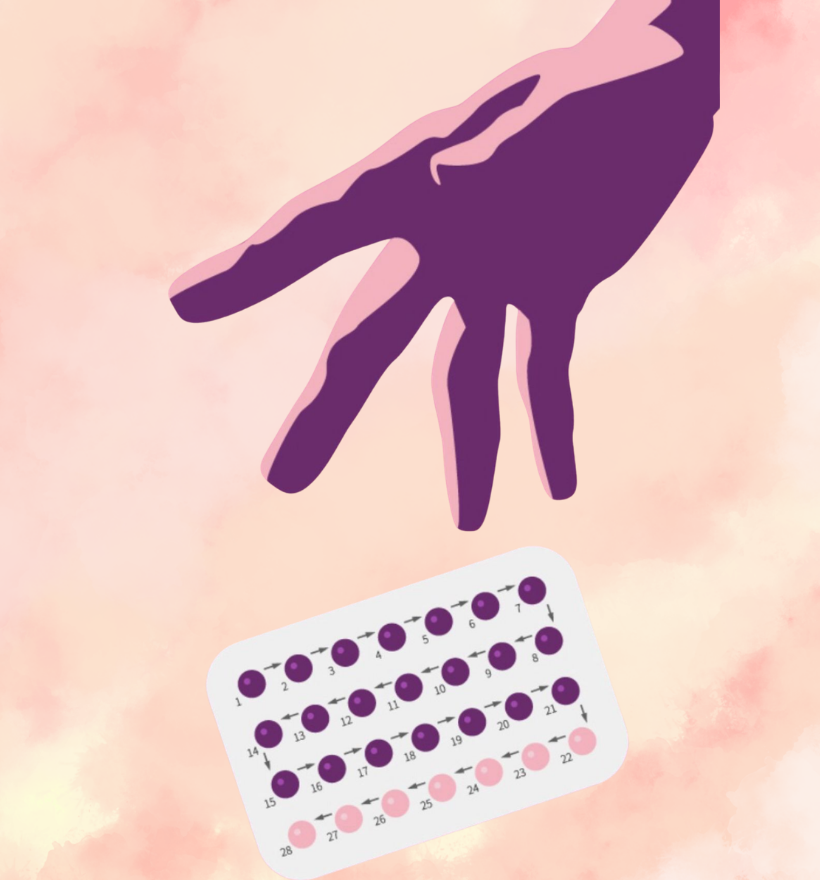
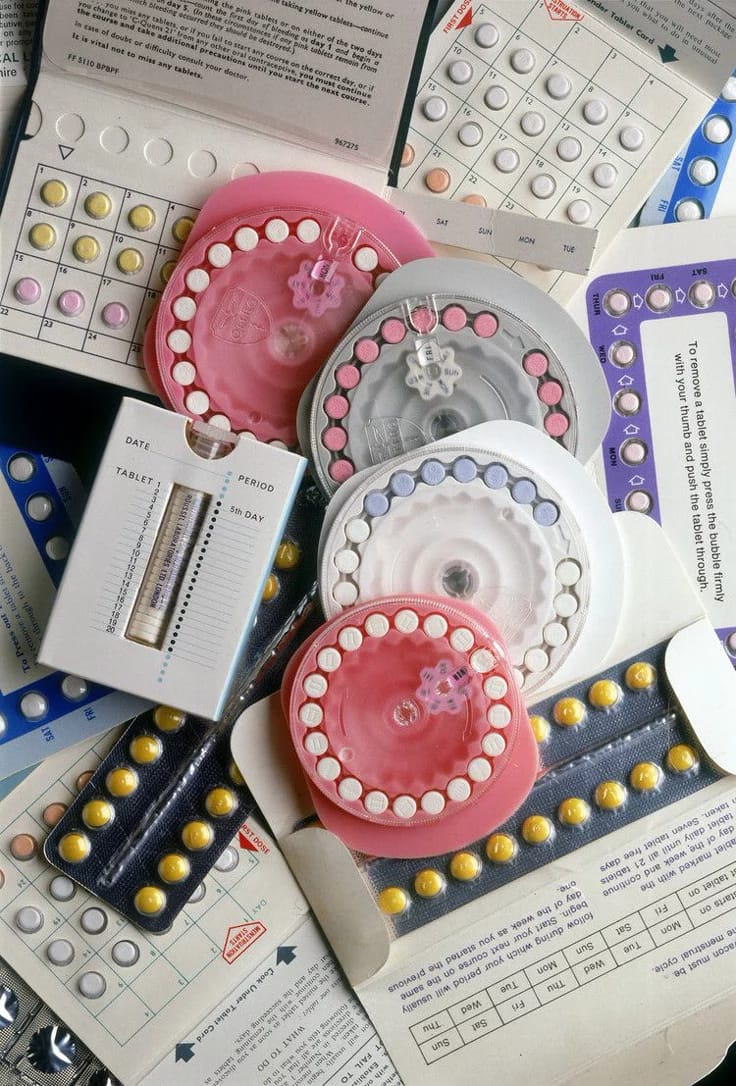
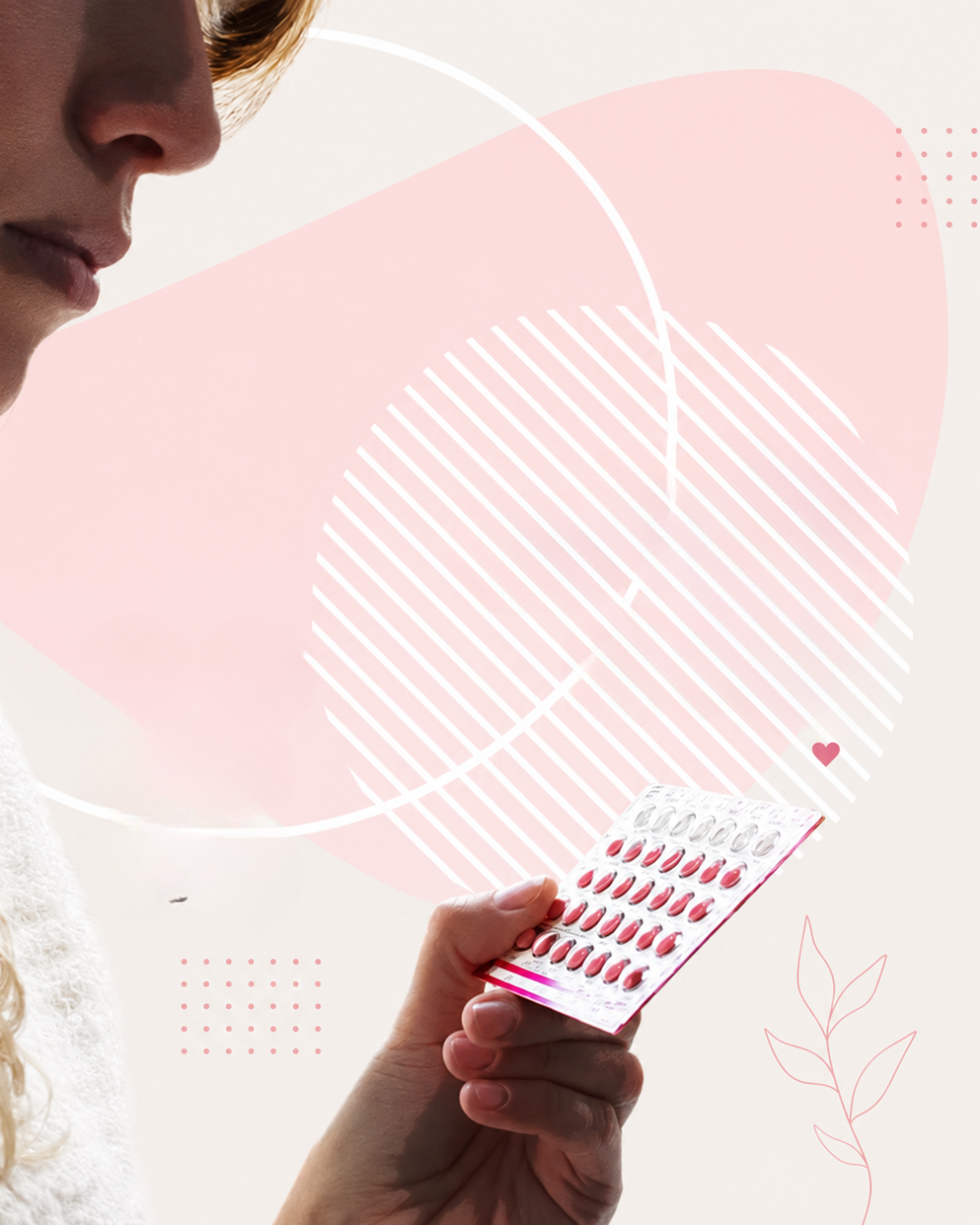
Birth control pills are daily medications that prevent pregnancy by regulating hormones, stopping ovulation, and controlling menstrual cycles.
What Is the Minipill?
What Is Extended-Use Birth Control?
Extended-use birth control allows fewer periods by continuously using hormonal contraception for longer cycles without monthly breaks.
Do Birth Control Pills Cause Nausea?
Birth Control Pills may cause nausea due to hormonal changes, especially during initial use, but symptoms usually improve over time.
4 of 9 / Barrier Methods
Condoms
Condoms help prevent pregnancy and reduce sexually transmitted infections by creating a protective barrier during sexual activity.
Does Condom Size Matter?
What to Know About a Broken Condom
A broken condom can increase pregnancy and STI risk; emergency contraception and STI testing may be needed promptly.
Female Condoms: Effectiveness and Benefits
5 of 9 / Behavioral Methods
'Natural' Birth Control: What to Know
“Natural” birth control methods track fertility signs and menstrual cycles to help prevent pregnancy without hormones or devices.
Pull Out Method (Withdrawal)
What Is the Lactational Amenorrhea Method of Birth Control?
Do Birth Control Pills Cause Nausea?
Birth Control Pills may cause nausea due to hormonal changes, especially during initial use, but symptoms usually improve over time.
6 of 9 / Medical Methods
Birth Control and Sterilization
Birth control and sterilization are methods to prevent pregnancy temporarily or permanently, helping individuals plan families responsibly.
What Is Tubal Ligation?
Pregnancy After Tubal Ligation: Can It Happen?
Pregnancy after tubal ligation is rare but possible due to tube reconnection, increasing risk of ectopic pregnancy complications.
7 of 9 / Male Birth Control
Male Birth Control Options
Male birth control options include condoms, vasectomy, withdrawal, and emerging hormonal methods for preventing unintended pregnancy effectively.
Vasectomy
What Is a No-Scalpel Vasectomy?
A no-scalpel vasectomy is a minimally invasive procedure for male birth control with faster recovery and reduced discomfort.
11-Beta-MNTDC: “The Pill” for Men
8 of 9 / Emergency Contraception
Emergency Contraception FAQ
Find answers about emergency contraception, effectiveness, timing, safety, side effects, and important reproductive health guidance for women.
Emergency Contraception: What to Expect
Levonorgestrel Emergency Contraception
Levonorgestrel emergency contraception helps prevent pregnancy after unprotected sex or contraceptive failure when taken within recommended time limits.
9 of 9 / Side Effects & Complications
Birth Control Side Effects and Risks
Birth control may cause nausea, mood changes, weight fluctuations, headaches, and rare health risks depending on individual health conditions.
Birth Control and Spotting: What to Know
Birth Control and Breast Size
Birth control may cause temporary breast size changes due to hormonal fluctuations, water retention, and changes in body composition.
How Hormonal Birth Control Can Affect Your Mood
Sign up for our free Pregnancy and Baby Newsletter
Get news and information about pregnancy and infant health
By clicking Subscribe, I agree to the WebMD Terms & Conditions & Privacy Policy and understand that I may opt out of WebMD subscriptions at any time. This site is protected by reCAPTCHA and the Google Privacy Policy and Terms of Service apply.
Suggested Reads about Birth Control
10 Things to Know About Birth Control If You’re Transgender or Nonbinary
Learn essential birth control information, healthcare options, safety guidance, and reproductive wellness support for transgender and nonbinary individuals.
Other Reasons to Use Birth Control
His Turn: 8 Options in the Pipeline for Male Birth Control
Explore emerging male birth control options, innovative treatments, effectiveness, safety research, and future possibilities for reproductive health management.
Your Birth Control Options
Top Search Terms for Birth Control
8 million+ Physician Ratings & Reviews
Search for Obstetrician-Gynecologists in your area
Find Doctors and Dentists Near you
You can also search by physician, practice, or hospital name