
Bone & Joint Health: Conditions, Symptoms & Care
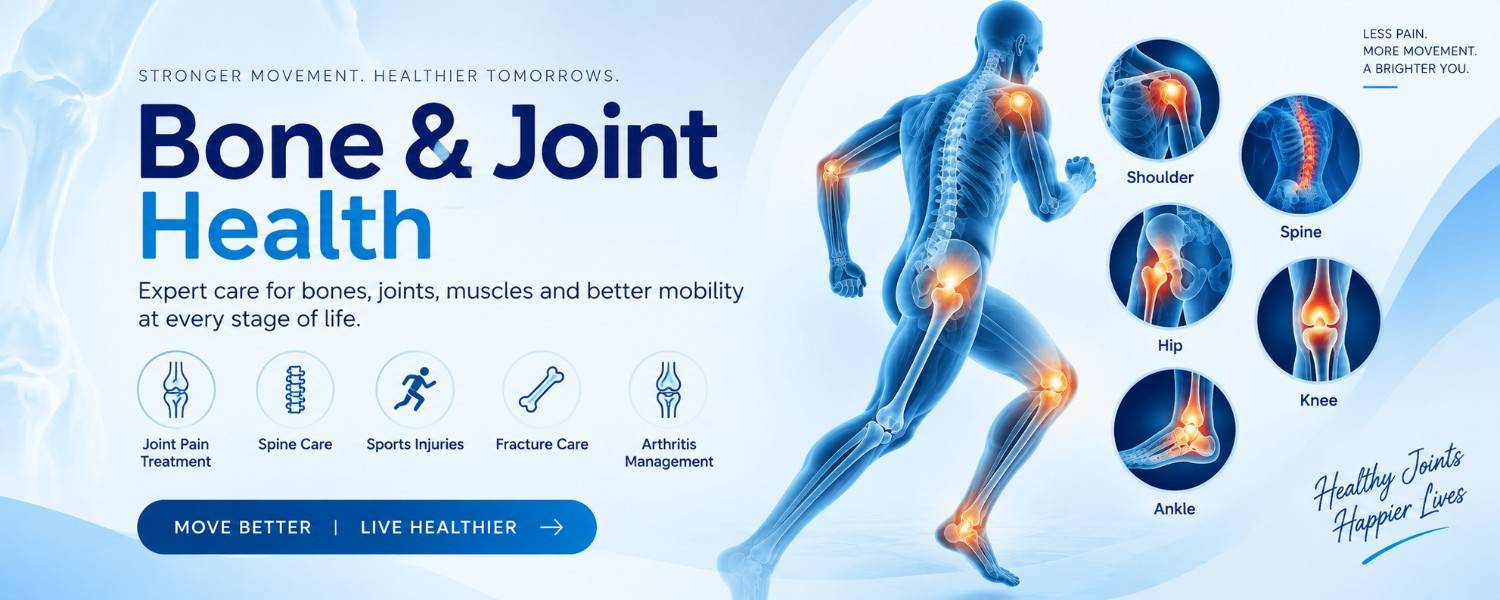
Bone and joint health is important for movement, strength and everyday activities. Bones provide structure and support, while joints allow different parts of the body to move. Conditions such as osteoarthritis, osteoporosis, fractures and inflammatory arthritis can affect mobility and quality of life. Understanding common symptoms, risk factors and treatment options can help people seek appropriate medical care.
What Are Bones and Joints?
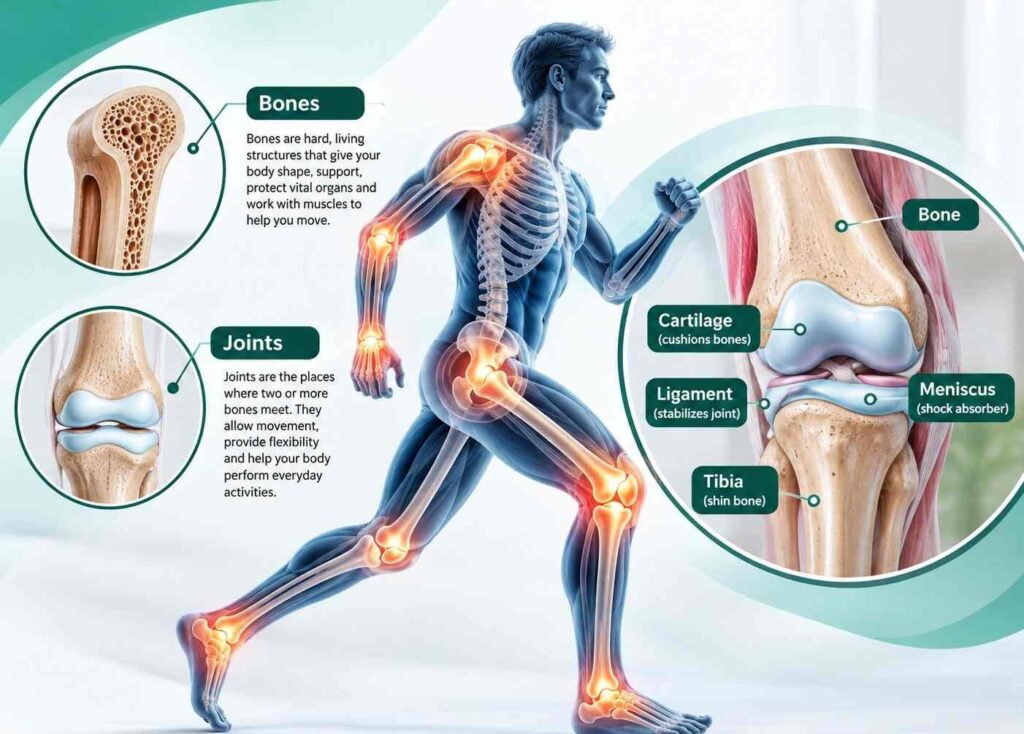
Bones provide structure and support, while joints connect bones and allow the body to move. Cartilage, ligaments, tendons and muscles work together to support stability and movement.
Problems affecting these structures can cause pain, stiffness, swelling, weakness or difficulty performing everyday activities. The symptoms and treatment depend on the underlying condition.
Common Bone & Joint Problems
Bone and joint conditions can affect people of different ages and activity levels. Some develop gradually, while others occur after an injury or illness.
Arthritis
Joint conditions that may cause pain, stiffness, swelling and difficulty moving comfortably.
Learn more →Osteoporosis
A condition that weakens bones, making them more fragile and increasing the risk of fractures.
Back & Neck Pain
Discomfort that may involve muscles, joints, spinal discs or nerves in the back and neck.
Joint Injuries
Damage to ligaments, tendons or cartilage that can occur during sports, falls or other accidents.
Fractures
Breaks in a bone caused by an injury or, sometimes, by weakened bones that fracture more easily.
Tendinitis
A tendon problem that may cause pain and tenderness, often worse when the affected area moves.
Bursitis
Inflammation of a small fluid-filled sac that cushions tissues around joints, often causing tenderness.
Gout
An inflammatory arthritis caused by urate crystals forming in a joint, often triggering sudden, severe pain.
Signs and Symptoms of Bone & Joint Problems
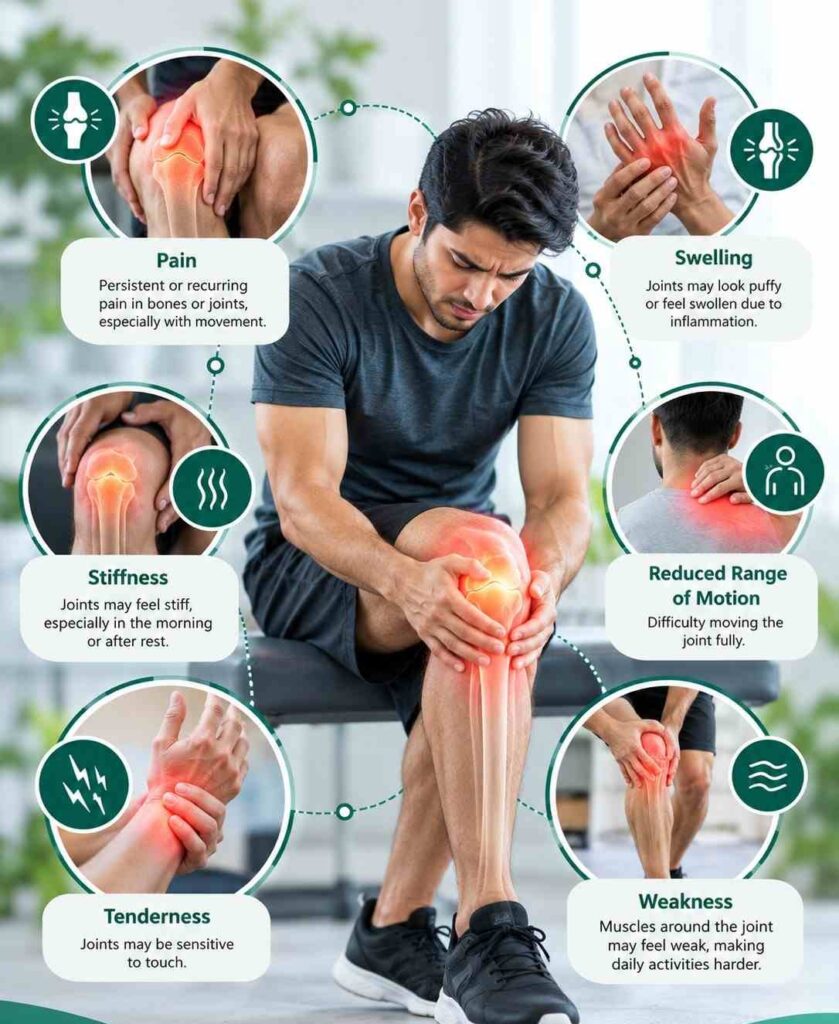
Symptoms vary depending on the affected structure and the underlying cause. Common signs include:
Pain: Discomfort in a joint, bone, muscle or surrounding area.
Stiffness: Difficulty moving a joint, especially after rest.
Swelling: Enlargement around a joint or injured area.
Reduced Mobility: Difficulty walking, bending, lifting or using a limb.
Tenderness: Pain when an affected area is touched or pressed.
Weakness: Reduced strength or difficulty supporting body weight.
Limited Flexibility: Reduced range of movement in a joint.
Changes After Injury: Bruising, deformity or difficulty using the affected limb.
Persistent or worsening symptoms should be assessed by a healthcare professional.
Causes and Risk Factors
Bone and joint problems can develop for different reasons. Age, previous injuries, genetics and certain health conditions may contribute, depending on the condition.
Age-Related Changes
Some bone and joint conditions become more common with age as joint tissues and bone strength change over time.
Previous Injuries
Earlier fractures or joint injuries may affect joint stability and contribute to problems later in life.
Family History
Genetic factors can influence susceptibility to certain conditions, including some forms of inflammatory arthritis.
Autoimmune Activity
In some conditions, the immune system mistakenly attacks healthy tissues, causing inflammation in joints and surrounding areas.
Excess Body Weight
Additional load can increase stress on weight-bearing joints, particularly the knees and hips.
Repetitive Movements
Repeated movements or sustained strain may contribute to some tendon problems and other overuse injuries.
Low Bone Density
Weakened bones may be more vulnerable to fractures, sometimes following a minor fall or injury.
Underlying Health Conditions
Certain illnesses and medicines can affect bone strength, joint health or the body's inflammatory response.
Remember: These factors do not affect every condition in the same way. Having a risk factor does not mean you will develop a bone or joint problem. Assessment depends on your symptoms, medical history and, when needed, diagnostic tests.
How Are Bone & Joint Problems Diagnosed?
Diagnosis starts with understanding your symptoms and medical history, followed by a physical examination. Your healthcare professional may recommend additional tests depending on the condition being investigated.
Physical Examination
Checks joint movement, swelling, tenderness, muscle strength and stability to help identify possible problems.
X-rays
Create images of bones to help detect fractures, alignment problems and certain bone or joint changes.
MRI Scan
Provides detailed images of soft tissues, cartilage, ligaments and other structures around the joints.
CT Scan
Produces detailed cross-sectional images of bones, often useful for complex fractures or injuries when indicated.
Blood Tests
May help investigate inflammation, infection or certain conditions, including some autoimmune or metabolic disorders.
Bone Density Scan
Measures bone mineral density, commonly using a DXA scan, when osteoporosis or low bone density is suspected.
Not everyone needs every test. The right investigations depend on your symptoms, medical history and examination findings. Your healthcare professional will decide which tests are appropriate for the suspected condition.
Treatment Options for Bone & Joint Conditions
Treatment depends on the diagnosis, symptom severity, overall health and individual needs. Options may include:
Medication: To manage pain or treat specific inflammatory or other conditions.
Physiotherapy: Exercises and rehabilitation to improve strength, flexibility and movement.
Activity Modification: Adjusting activities that aggravate symptoms while maintaining suitable movement.
Supportive Devices: Braces, walking aids or other devices when recommended.
Nutritional Support: A balanced diet that provides nutrients important for bone health.
Surgery: Considered for selected conditions when appropriate non-surgical options are insufficient or the injury requires surgical care.
A healthcare professional can explain the potential benefits, risks and alternatives of suitable treatments.


Exercise for Strong Bones and Healthy Joints
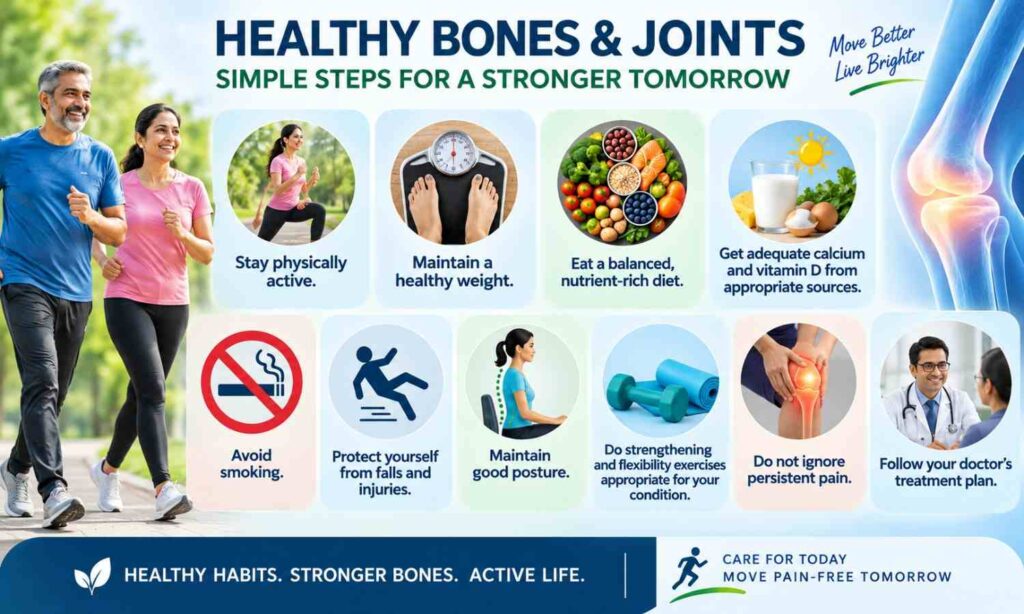
Appropriate physical activity can support muscle strength, balance, mobility and bone health. Depending on your condition and fitness level, suitable activities may include:
Walking: Supports general fitness and weight-bearing activity.
Strength Training: Helps maintain the muscles that support joints.
Balance Exercises: Can help improve stability and reduce fall risk.
Low-Impact Activities: Swimming or cycling may suit some people with joint discomfort.
Flexibility Exercises: Gentle stretching can help maintain movement.
Choose activities according to your abilities and medical needs. If you have a recent injury, severe pain or a diagnosed bone or joint condition, seek professional guidance before starting or changing your exercise routine.
Maintaining a Healthy Weight
Maintaining a weight that is appropriate for your health may help reduce stress on weight-bearing joints, particularly the knees and hips. Small, realistic habits can support joint comfort, mobility and overall well-being over time.
Balanced Nutrition
Choose a variety of nutritious foods, including fruits, vegetables, whole grains and protein-rich foods.
Suitable Activity
Stay active with activities that suit your abilities, such as walking, swimming or appropriate low-impact exercise.
Sustainable Habits
Make gradual, realistic changes, get adequate sleep and build routines you can maintain over the long term.
Every body is different. Weight management is only one part of bone and joint health. Pain or mobility problems can have many causes and should not automatically be attributed to body weight.

Focus on supportive habits that fit your health, comfort and daily life.
Bone & Joint Health at Different Ages




When Should You Seek Medical Care?
Consult a healthcare professional if bone or joint pain persists, keeps returning, causes swelling or limits your daily activities.
Seek urgent medical assessment if you experience:
Sudden, severe pain or swelling in a joint, especially with fever or feeling unwell.
A suspected fracture after an injury.
A visibly deformed limb or inability to use it after a significant injury.
New numbness, weakness or loss of sensation following an injury.
Do not delay emergency care for a serious injury or rapidly worsening symptoms.
Which Doctor Treats Bone & Joint Problems?
The right healthcare professional depends on your symptoms and the condition being investigated. These four roles can help you understand where to begin and what kind of support may be appropriate.
Orthopaedic Specialist
Evaluates many bone, joint, fracture and musculoskeletal problems, including injuries and conditions that affect movement.
Explore bone & joint healthRheumatologist
Assesses inflammatory and autoimmune conditions that may cause persistent joint pain, swelling and stiffness.
Learn about arthritisPhysiotherapist
Supports rehabilitation through appropriate exercises and movement strategies to improve strength, flexibility and function.
Explore physiotherapyPrimary Care Doctor
Provides an initial assessment, reviews your medical history and helps coordinate tests or specialist referrals when needed.
Explore general physician careYour first step can be a general assessment. Some conditions require care from more than one professional. Your symptoms, examination and medical history can help determine the most appropriate next step.
Explore Related Health Topics
Learn more about specific conditions that can affect your bones, joints and everyday movement.
Arthritis
Understand common types, symptoms, causes, diagnosis and treatment options for arthritis.
Explore arthritisOsteoporosis
Learn about reduced bone density, bone strength and factors that may increase fracture risk.
Back and Neck Pain
Explore possible causes of back or neck discomfort and learn when a medical assessment may be needed.
Joint Injuries
Understand common joint injuries, warning signs and why appropriate evaluation can help guide recovery.
Explore information at your own pace. These guides can help you understand bone and joint health. Diagnosis and treatment depend on your individual symptoms and clinical assessment.
Frequently Asked Questions
Find answers to common questions about bone and joint conditions, diagnosis, exercise and when to seek medical advice.
What are common bone and joint problems?
Common problems include arthritis, osteoporosis, back pain, fractures, joint injuries, tendinitis and bursitis. Their symptoms, causes and treatment options vary depending on the specific condition.
What causes bone and joint pain?
Possible causes include injuries, joint inflammation, age-related changes, repetitive movements and certain medical conditions. A clinical assessment can help identify the likely cause.
Which tests are used to diagnose bone and joint conditions?
Depending on the suspected condition, a healthcare professional may recommend a physical examination, X-ray, MRI, CT scan, blood tests or a bone density scan. Not everyone needs every test.
Can exercise help joint health?
Appropriate exercise can support muscle strength, balance, flexibility and mobility. The right activities depend on your health, symptoms and any existing injury. Seek professional guidance if movement causes significant pain.
When should I see a doctor for joint pain?
Seek medical advice if pain persists, keeps returning, causes swelling or affects daily activities. A suddenly painful, hot or swollen joint with fever requires urgent medical assessment because a joint infection is one possible cause.
Which doctor should I consult for bone or joint problems?
An orthopaedic specialist often assesses bone, joint and injury problems. A rheumatologist may help with inflammatory or autoimmune joint conditions, while a physiotherapist can support rehabilitation. A primary care doctor can provide an initial assessment and help guide referrals.