
Healthy Beauty: A Complete Guide to Skin, Hair and Personal Care
Healthy beauty starts with understanding your skin, caring for your hair and choosing personal care habits that support your overall wellbeing. You don’t need an unnecessarily complicated routine or expensive products to care for yourself.
Explore practical guidance on skincare, hair health, sun protection, beauty product safety and common skin concerns. Learn how to build consistent habits, understand your personal care needs and recognise when a concern may require professional advice.
Everyday beauty & personal care
Healthy Beauty Topics for Everyday Skin, Hair and Personal Care
Explore practical beauty and personal care topics designed to help you make informed choices for your everyday routine.
Skincare and Daily Routines
Learn about gentle cleansing, moisturising, choosing suitable products and maintaining a consistent skincare routine.
Hair Care and Scalp Health
Understand hair washing, scalp care, heat styling, breakage and when hair loss may need medical assessment.
Sun Protection and Skin Ageing
Explore sunscreen use, protective clothing, sun exposure and practical ways to protect your skin.
Beauty Products and Ingredients
Learn how to read product labels, introduce new ingredients carefully and identify products that suit your skin.
Common Skin Concerns
Understand acne, dryness, pigmentation, irritation and other skin changes that may require tailored care.
Nail Health and Personal Hygiene
Explore gentle nail care, cuticle care, hygiene and changes in nails that may warrant professional advice.
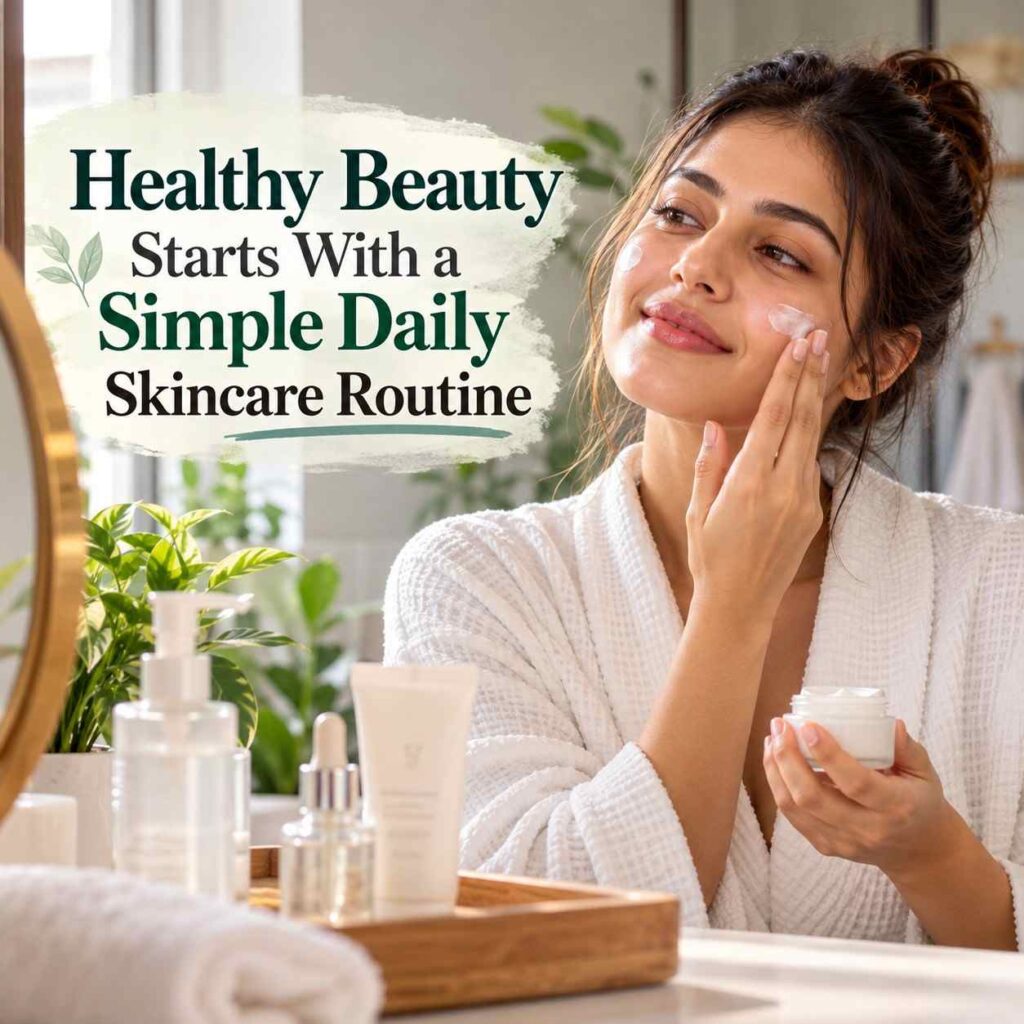
A consistent skincare routine can help maintain the skin barrier, manage dryness and reduce unnecessary irritation. The most suitable routine depends on your skin type, concerns and product tolerance.
A practical morning routine:
Gentle cleanser: Remove excess oil, sweat and residue without unnecessarily drying the skin.
Moisturiser: Support the skin barrier with a product suitable for your skin.
Sunscreen: Use broad-spectrum SPF 30 or higher on exposed skin, following the product instructions and reapplying as directed.
A practical evening routine:
Cleanse gently to remove sunscreen, makeup and daily buildup.
Apply any appropriate skincare treatment according to its instructions.
Moisturise to help maintain skin hydration.
Healthy Hair Care: Everyday Habits for Stronger-Looking Hair
Hair care is about maintaining scalp comfort, reducing avoidable damage and choosing practices suited to your hair type. Hair texture, density and growth patterns naturally vary between individuals.
Helpful hair care habits include:
Choose a shampoo suited to your scalp and wash as often as your hair needs.
Condition the hair lengths to help reduce friction and breakage.
Limit excessive heat styling and use suitable heat protection when styling.
Avoid hairstyles that repeatedly pull tightly on the hair.
Eat a balanced diet and avoid taking high-dose supplements without appropriate advice.
Seek medical assessment for sudden, patchy or persistent hair loss.

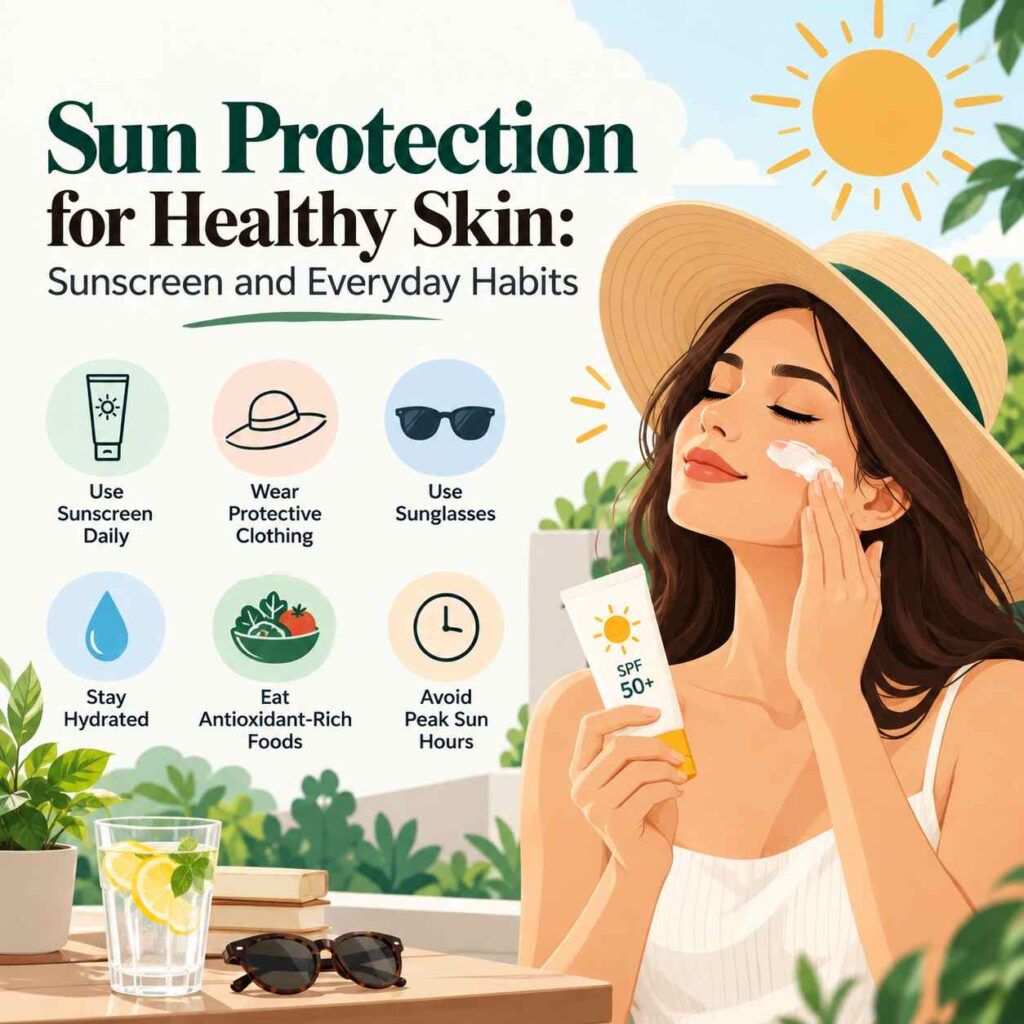
Sun Protection for Healthy Skin: Sunscreen and Everyday Habits
Sun protection is an important part of skincare because ultraviolet radiation can contribute to premature skin ageing and increase the risk of skin cancer.
Consider these practical steps:
Use broad-spectrum sunscreen with SPF 30 or higher on exposed skin.
Apply enough product and reapply according to the label, especially during prolonged outdoor activity.
Wear protective clothing, sunglasses and a hat when appropriate.
Seek shade when sunlight is strongest.
Remember that every skin tone can experience UV-related skin damage.
Check the skin for new or changing spots and seek medical assessment when needed.
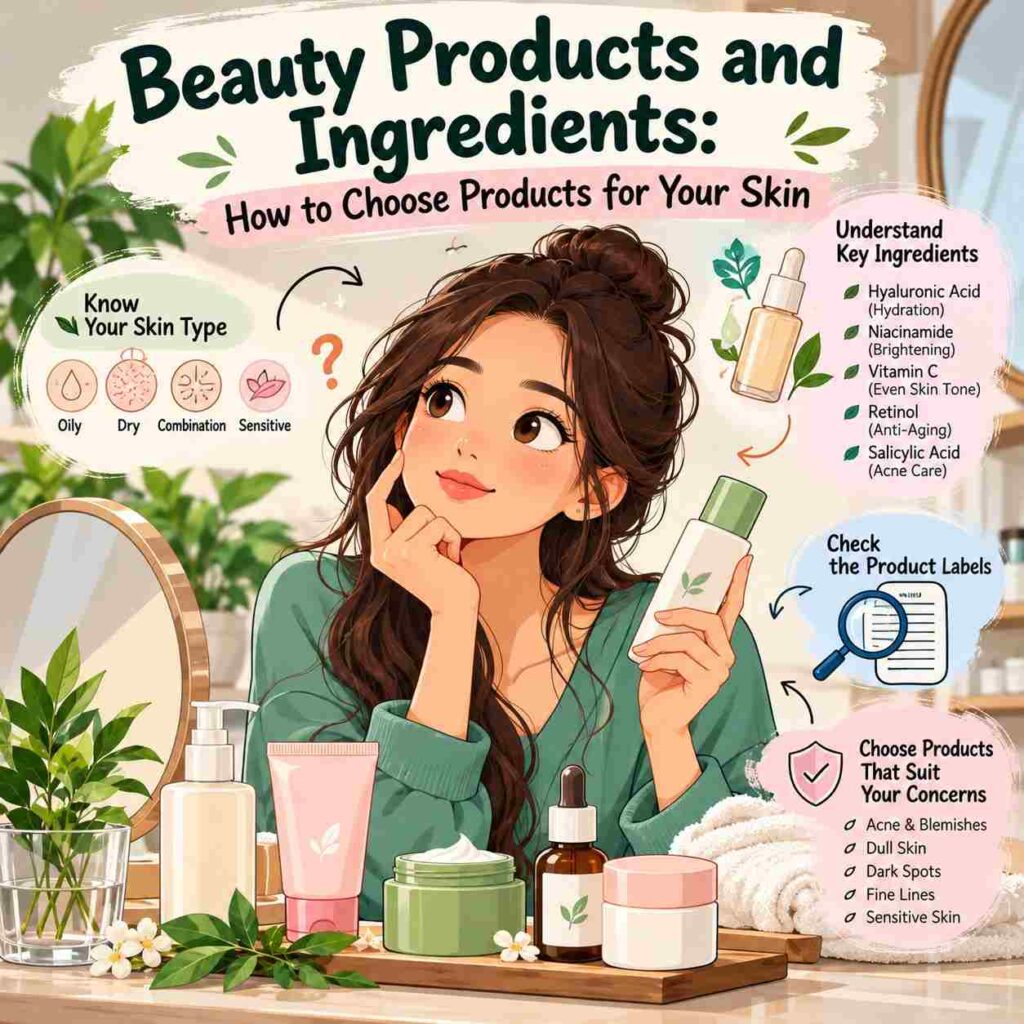
Beauty Products and Ingredients: How to Choose Products for Your Skin
The most expensive product is not necessarily the best choice for your skin. Product suitability depends on ingredients, formulation, skin sensitivity and the concern you’re trying to address.
Before introducing a new product:
Identify whether your skin tends to be oily, dry, combination or sensitive.
Read the ingredient list and follow the product’s instructions.
Patch-test new products according to appropriate product or medical guidance.
Introduce active ingredients gradually rather than combining several new treatments at once.
Avoid products that repeatedly cause burning, swelling or significant irritation.
Be cautious of products promising instant whitening, permanent results or guaranteed cures.
Understanding your skin
Common Skin Problems: Acne, Dryness, Pigmentation and Irritation
Skin concerns can have different causes, and a product that helps one person may not work for another. Understanding the possible causes can help you choose more appropriate care.
Acne and Breakouts
Acne can involve clogged pores, inflammation, oil production and hormonal factors. Gentle skincare may help, while persistent or scarring acne may need professional treatment.
Dryness and Skin Irritation
Dry skin may benefit from gentle cleansing and moisturising. Persistent rashes or irritation can have other causes that require assessment.
Pigmentation and Dark Spots
Pigmentation changes can be related to sun exposure, inflammation, hormones or other factors. Treatment depends on the cause and skin characteristics.
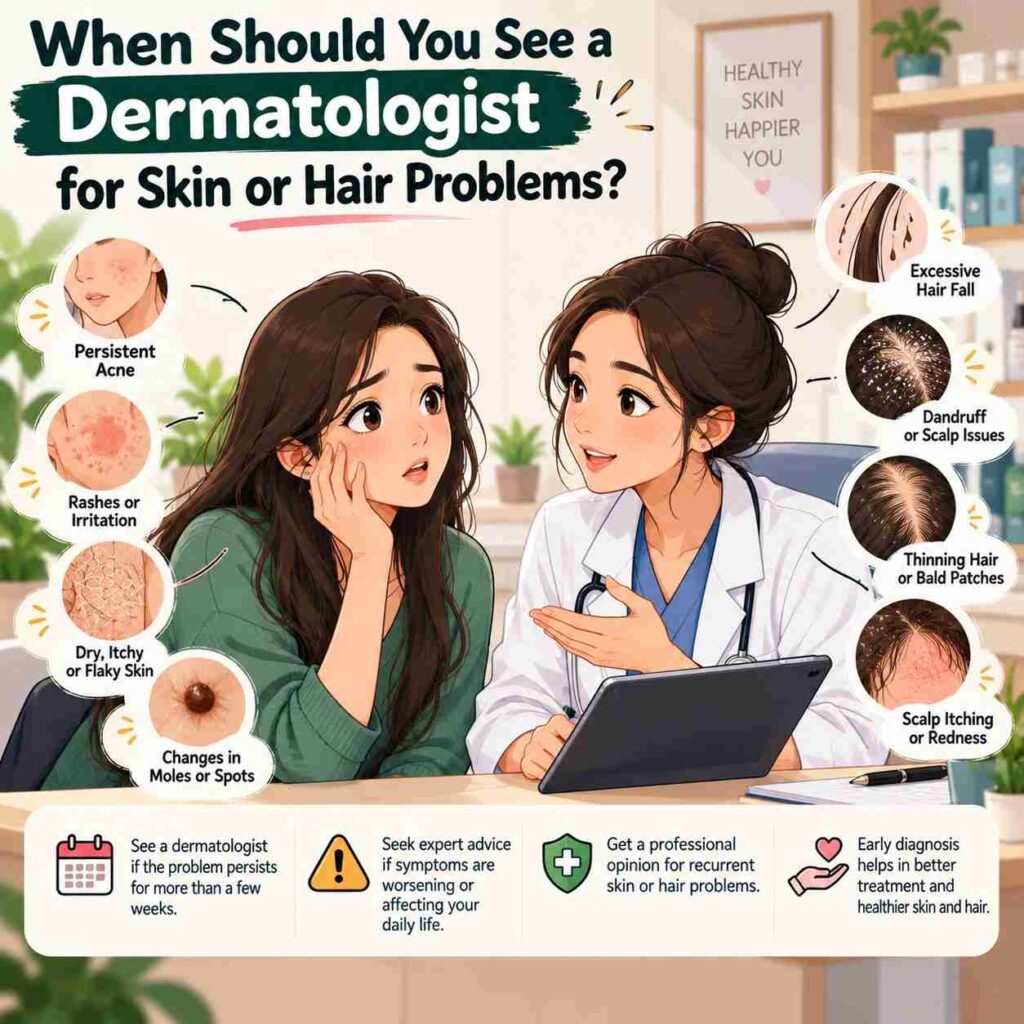
When Should You See a Dermatologist for Skin or Hair Problems?
Everyday personal care may be sufficient for some mild concerns, but persistent or unexplained changes can require medical assessment.
Consider consulting a dermatologist if you experience:
Acne that persists, becomes painful or causes scarring.
A rash, irritation or itching that does not improve.
Sudden or patchy hair loss.
Persistent nail discolouration or thickening.
A mole or skin spot that changes in size, shape or colour, bleeds or fails to heal.
Need professional skin or hair guidance?
Explore dermatologist information and learn how a qualified specialist can assess persistent skin, hair and nail concerns.
Your beauty questions answered
Healthy Beauty FAQs: Skin Care, Hair Care and Personal Care
Find practical answers to common questions about skincare routines, hair care, sunscreen, beauty products and when to seek professional advice.
What is a good daily skincare routine?
A simple routine for many people includes a gentle cleanser, moisturiser and broad-spectrum sunscreen during the day. Individual needs vary, particularly for people with sensitive skin or diagnosed skin conditions.
How can I maintain healthy-looking hair?
Use products suited to your scalp, condition your hair lengths, limit excessive heat styling and avoid hairstyles that pull tightly. Persistent or sudden hair loss should be assessed by a healthcare professional.
Do expensive skincare products work better?
Not necessarily. Effectiveness depends on the formulation, ingredients and suitability for your skin. A simple routine used consistently may be more useful than a complicated routine with unnecessary products.
Should I use sunscreen every day?
Daily sunscreen is a useful way to protect exposed skin from UV radiation. Choose broad-spectrum SPF 30 or higher and follow the product's application and reapplication instructions.
Are natural beauty products always safe?
No. Natural ingredients can still cause irritation or allergic reactions. Check the ingredients, follow the instructions and discontinue a product if it causes a significant reaction.
When should I see a dermatologist?
Seek professional advice for persistent or worsening acne, unexplained rashes, sudden hair loss, persistent nail changes or a mole or spot that changes in appearance.