
Cancer: Types, Symptoms, Causes, Diagnosis & Treatment
Cancer is a group of diseases in which abnormal cells grow uncontrollably and may invade nearby tissues or spread to other parts of the body. Learn about common cancer types, possible warning signs, diagnosis and treatment options.
Understanding the signs and seeking timely medical advice can help you make informed decisions about your health.
What Is Cancer?
Cancer occurs when changes in cells cause them to grow and divide uncontrollably. Some cancers form solid tumors, while others, such as many blood cancers, do not.
Cancer is not a single disease. There are many types, each with different characteristics, risk factors and treatment approaches. The diagnosis and outlook depend on factors such as the cancer type, its location, stage and response to treatment.
How Can Cancer Develop and Spread?
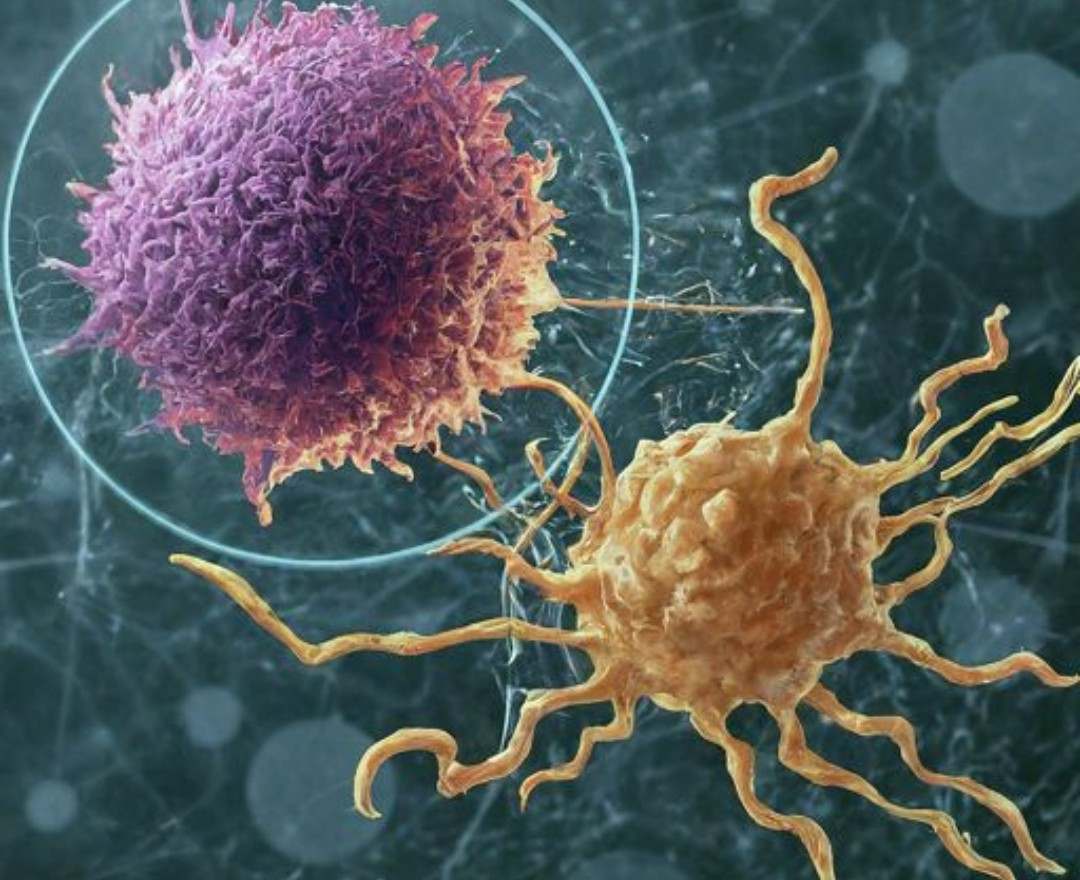
Cells normally grow and divide in a controlled way. Changes in cell DNA can disrupt that control, allowing abnormal cells to multiply and, in some cancers, spread to other parts of the body.
Normal Cell Growth
Cells divide in a regulated way, supporting normal tissue growth and repair.
Abnormal Cell Growth
Changes in cell DNA can disrupt normal controls and allow abnormal cells to multiply.
Possible Spread
Some cancer cells can invade nearby tissue and travel to distant sites in the body.
Simplified explanation: Cancer develops differently across cancer types. Not every cancer follows these steps in the same way, and not every cancer spreads to other parts of the body.
What Can You Do During a Migraine Attack?
Cancer Symptoms: 8 Possible Warning Signs
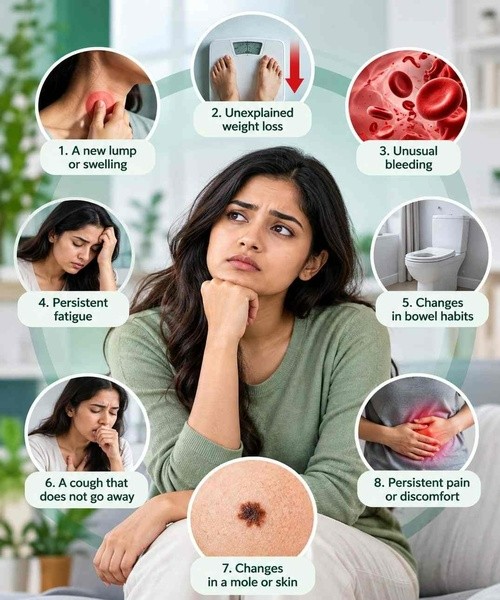
Cancer symptoms vary according to the type and location of the disease. Possible warning signs include:
A New Lump or Swelling: An unexplained lump that persists or changes.
Unexplained Weight Loss: Losing weight without trying.
Persistent Fatigue: Tiredness that does not improve with rest.
Unusual Bleeding or Bruising: Bleeding without a clear cause.
Changes in Bowel or Bladder Habits: Persistent or unusual changes.
A Persistent Cough or Hoarseness: Symptoms that do not improve.
Skin or Mole Changes: A changing mole or a sore that does not heal.
Persistent Pain or Difficulty Swallowing: Symptoms that are unusual or continue over time.
These symptoms can have many causes, and most do not automatically mean cancer. If a symptom is persistent, unexplained or unusual for you, consult a healthcare professional.
Common Types of Cancer
Cancer can develop in many organs and tissues. Each type has distinct characteristics, and its symptoms, diagnostic methods and treatment options depend on where it begins and how it behaves.
Breast Cancer
Cancer that develops in breast tissue. Changes in breast shape, a new lump or other unusual changes should be assessed.
Lung Cancer
Cancer that begins in the lungs. A persistent cough, breathlessness or coughing up blood warrants medical evaluation.
Colorectal Cancer
Cancer affecting the colon or rectum. Bowel habit changes or blood in the stool should be discussed with a healthcare professional.
Prostate Cancer
Cancer that develops in the prostate gland. Early disease may cause no noticeable symptoms.
Cervical Cancer
Cancer that develops in the cervix. HPV vaccination and recommended cervical screening can help reduce risk or detect changes early.
Skin Cancer
Cancer that develops in skin cells. A changing mole or a persistent unusual skin lesion should be checked.
Blood Cancers
Includes leukemia and lymphoma, which affect blood-forming tissues or the lymphatic system.
Other Cancers
Cancer can also affect organs such as the stomach, liver, pancreas, kidneys and brain.
Important: Symptoms and screening recommendations differ by cancer type and individual risk. This overview is educational and does not replace medical advice. Consult a qualified healthcare professional about concerning symptoms or appropriate screening.
Cancer Causes and Risk Factors
Cancer develops through changes in cells that affect normal growth and division. The reasons vary between individuals and cancer types.
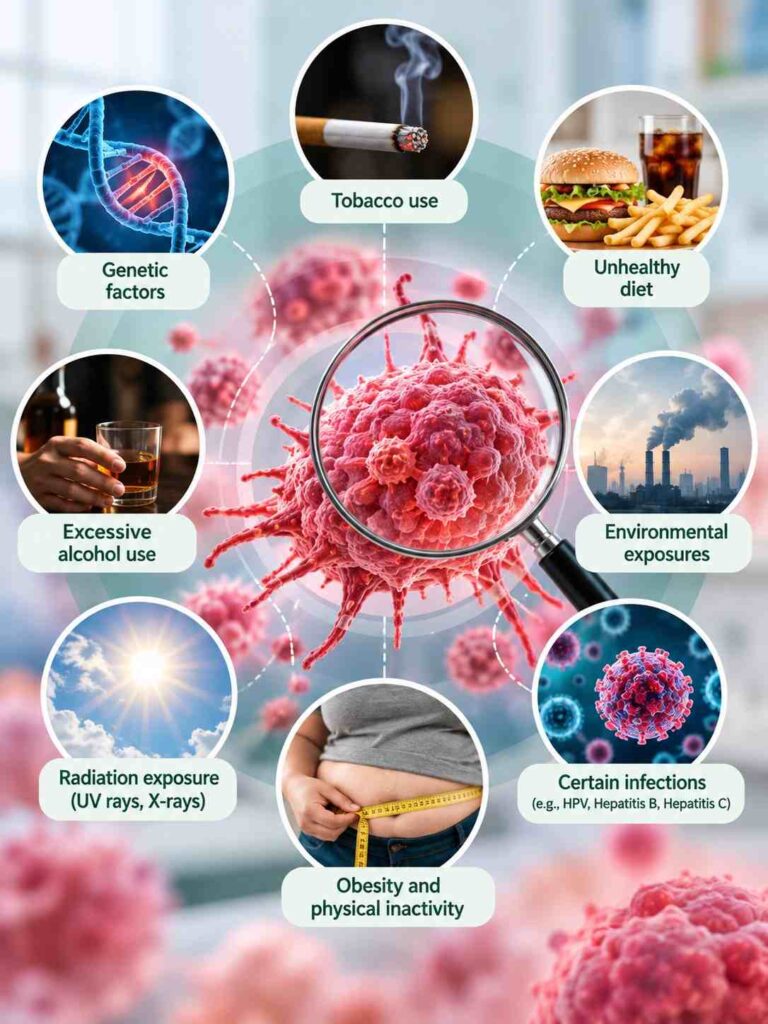
Factors that may increase the risk of certain cancers include:
Age: The risk of many cancers increases with age.
Family History and Genetics: Some inherited gene changes increase susceptibility.
Tobacco Use: Smoking and other tobacco exposure increase the risk of several cancers.
Alcohol Consumption: Alcohol increases the risk of certain cancers.
UV Radiation: Excessive ultraviolet exposure increases the risk of skin cancer.
Certain Infections: Infections such as HPV and hepatitis B or C are linked to particular cancers.
Environmental and Occupational Exposures: Some substances increase cancer risk.
Other Health Factors: Body weight, physical activity and other factors may influence the risk of certain cancers.
Having a risk factor does not mean you will develop cancer, and some people develop cancer without a clearly identifiable risk factor.
How Is Cancer Diagnosed?
Cancer diagnosis usually begins with a review of symptoms, medical history and physical examination. If cancer is suspected, a doctor may recommend investigations based on the affected area and the person's clinical findings.
Blood and Laboratory Tests
May provide clues about general health or certain cancers. Results alone do not confirm or rule out every cancer.
Imaging Tests
X-rays, ultrasound, CT, MRI or PET scans may help locate abnormal areas and assess the extent of disease.
Biopsy
A tissue sample is examined under a microscope. Biopsy is essential for confirming many types of cancer.
Specialized Tests
Additional laboratory, pathology or molecular tests may help classify a cancer and guide treatment decisions.
The Cancer Diagnosis Journey
Important: This is a simplified overview. No single test is suitable for every cancer. The diagnostic process, confirmation methods and staging investigations vary according to cancer type and individual findings.

Cancer Stages: Understanding the Diagnosis
Cancer staging describes the extent of cancer in the body. For many solid tumors, staging considers the size or extent of the primary tumor, whether nearby lymph nodes are involved and whether the cancer has spread to distant parts of the body.
Stages are often numbered from 0 to IV, but staging systems differ by cancer type. Blood cancers and some other cancers use different classification systems.
The stage helps the medical team understand the disease and plan treatment. It does not, by itself, predict an individual’s outcome with certainty.
Cancer Treatment Options
Cancer treatment is tailored to the type and stage of cancer, its molecular characteristics, overall health and personal preferences. Some people need one treatment, while others benefit from a combination.
Surgery
Removes a tumour or cancerous tissue when appropriate. Its role depends on the tumour's location, extent and treatment goals.
Chemotherapy
Uses medicines to kill cancer cells or slow their growth. The medicines and schedule depend on the specific cancer and care plan.
Radiation Therapy
Uses carefully planned radiation to damage cancer cells. It may be used alone or alongside other treatments.
Immunotherapy
Helps the immune system recognize or attack cancer. It is suitable for selected cancers and depends on individual clinical findings.
Targeted Therapy
Targets specific molecules or changes involved in cancer growth. Testing may help determine whether a targeted medicine is suitable.
Hormone Therapy
Blocks hormone activity or lowers hormone levels in certain hormone-sensitive cancers, such as some breast and prostate cancers.
Supportive & Palliative Care
Helps relieve symptoms, manage treatment side effects and support comfort and quality of life. It can be provided alongside cancer treatment.
Treatment is individualised. Not every option is appropriate for every cancer or person. An oncology team can explain expected benefits, possible risks, side effects and alternatives based on the individual diagnosis.
Cancer Prevention and Screening
Not all cancers can be prevented, but certain lifestyle choices, vaccinations and recommended screening tests can help reduce the risk of some cancers or identify specific changes early.
Avoid Tobacco
Avoiding tobacco products, including smoking and smokeless tobacco, reduces the risk of several cancers.
Protect Your Skin
Limit excessive ultraviolet (UV) exposure. Use shade, protective clothing and broad-spectrum sunscreen when appropriate.
Maintain Healthy Habits
Regular physical activity, a balanced diet and limiting alcohol can support overall health and help reduce certain cancer risks.
Discuss Vaccination
HPV and hepatitis B vaccines help prevent infections associated with certain cancers. Ask a healthcare professional about eligibility.
Follow Recommended Screening
Eligible people may benefit from screening for certain cancers before symptoms appear, depending on their age and risk factors.
Prevention and screening recommendations vary by cancer type, age, medical history and individual risk. If you have persistent or unusual symptoms, seek medical advice rather than waiting for a screening test.
Living With Cancer: Support and Wellbeing
A cancer diagnosis can affect physical health, emotional wellbeing, family life and everyday activities. Supportive care can help people manage symptoms and cope with treatment.
Helpful steps may include:
Stay Connected: Seek support from trusted family members, friends or support groups.
Discuss Symptoms: Tell your care team about pain, fatigue, nausea or other side effects.
Support Nutrition: Ask a qualified professional about nutrition needs during treatment.
Protect Emotional Wellbeing: Counselling or psychological support may help with stress and anxiety.
Keep Follow-Up Appointments: Regular reviews help the care team monitor treatment and recovery.
Support needs vary throughout diagnosis, treatment and recovery. Ask your healthcare team about services appropriate to your situation.


When Should You See a Doctor ?
Consult a healthcare professional if you notice a new lump, unexplained bleeding, a changing mole, persistent cough, unexplained weight loss or another symptom that is unusual for you and does not improve.
These symptoms often have causes other than cancer, but medical assessment can help determine whether further investigation is needed.
Seek urgent medical care for severe or rapidly worsening symptoms, such as significant bleeding, severe difficulty breathing or sudden serious changes in your condition. Do not wait for a routine appointment if you believe you may be experiencing a medical emergency.
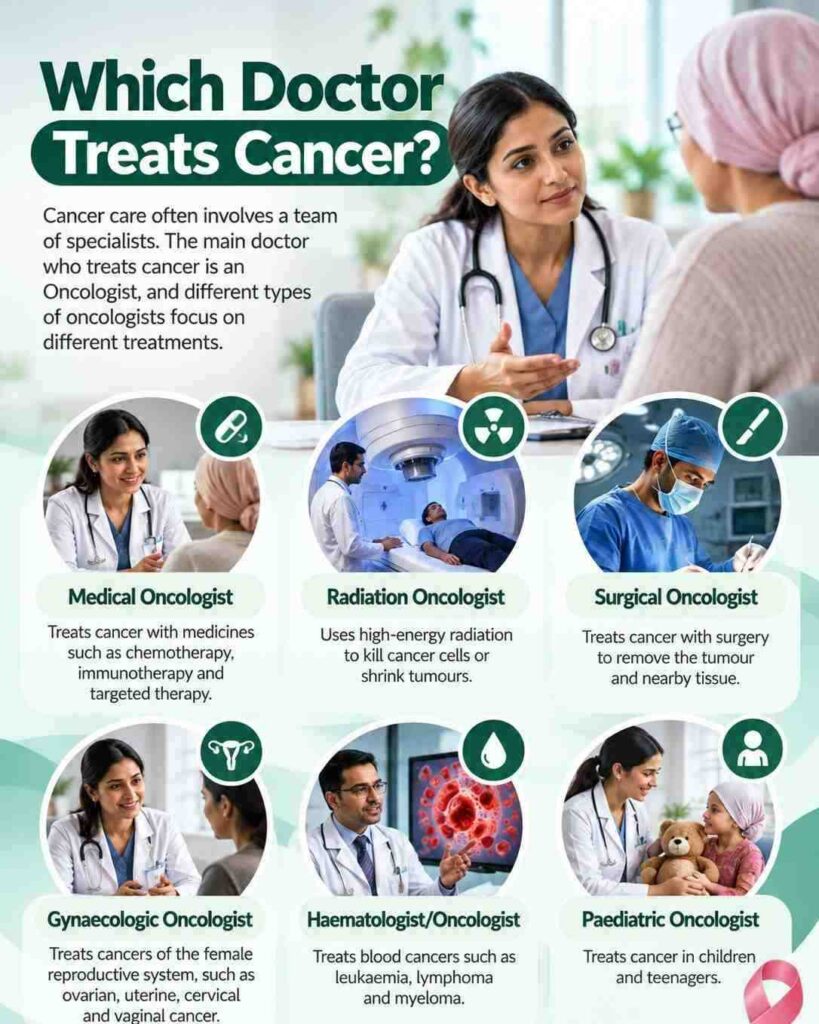
Which Doctor Treats Cancer?
Cancer care often involves a team of healthcare professionals. The appropriate specialists depend on the cancer type and the treatment needed.
Medical Oncologist: Uses medicines such as chemotherapy, immunotherapy or targeted therapies.
Surgical Oncologist: Performs operations to diagnose or treat certain cancers.
Radiation Oncologist: Plans and delivers radiation therapy.
Hematologist-Oncologist: Treats cancers of the blood and related tissues.
Other Specialists: Depending on the cancer, care may involve organ-specific specialists, radiologists, pathologists, nurses and supportive-care professionals.
A primary care doctor or the specialist who first evaluates the symptoms can help guide the next steps.
Frequently Asked Questions About Cancer
Find clear answers to common questions about cancer, its symptoms, diagnosis, treatment, prevention and screening.
What is cancer?
Cancer is a group of diseases in which abnormal cells grow uncontrollably and may invade nearby tissues or spread to other parts of the body.
What are the common symptoms of cancer?
Possible warning signs include a new lump, unexplained weight loss, unusual bleeding, persistent fatigue, changes in bowel habits and a cough that does not go away. Symptoms vary by cancer type, and many have non-cancerous causes. Persistent, unexplained or unusual symptoms should be assessed by a healthcare professional.
What causes cancer?
Cancer develops through changes in cells that affect normal growth. Age, inherited genetic changes, tobacco, certain infections and environmental exposures can influence the risk of particular cancers. Often, there is no single identifiable cause.
How is cancer diagnosed?
Doctors may use a physical examination, laboratory tests, imaging and a biopsy. The tests required depend on the suspected cancer, and a biopsy is often needed to confirm the diagnosis.
Is cancer treatable?
Many cancers have effective treatment options. Outcomes and treatment goals vary according to the cancer type, stage, available treatments and individual circumstances. An oncology team can explain suitable options and expected outcomes.
Can cancer be prevented?
Not every cancer can be prevented. Avoiding tobacco, reducing certain exposures, receiving recommended vaccinations and following appropriate screening guidance can reduce the risk of some cancers or help detect certain changes early.
What is the difference between cancer screening and cancer diagnosis?
Screening looks for signs of certain cancers in eligible people who do not have symptoms. Diagnostic testing investigates symptoms or abnormal findings to determine their cause. Further tests may be needed to confirm a diagnosis.
Important: This information is for general education and does not replace professional medical advice. If you notice persistent or unexplained symptoms, consult a qualified healthcare professional.