

Psoriatic Arthritis: Symptoms, Causes, Types & Treatment
Psoriatic arthritis is an inflammatory condition associated with psoriasis that can cause joint pain, swelling and stiffness. Learn about its symptoms, causes, diagnosis and treatment options, and understand when to seek medical advice.

What Is Psoriatic Arthritis?
Psoriatic arthritis is a long-term inflammatory condition that affects the joints and sometimes the areas where tendons and ligaments attach to bones. It is associated with psoriasis, a skin condition that causes red, scaly patches.
Psoriasis often develops before joint symptoms, but psoriatic arthritis can sometimes appear first. Early diagnosis and appropriate treatment can help control inflammation and reduce the risk of joint damage.
Psoriatic Arthritis Symptoms: 7 Early Signs
Psoriatic arthritis can affect the joints, tendons and nails. Symptoms may develop gradually or appear in flare-ups, and not everyone experiences the same signs.
Joint Pain
Pain or tenderness in the hands, feet, knees or other joints. Discomfort may affect everyday movement.
Morning Stiffness
Joints may feel stiff after waking up or sitting for a long time, making movement more difficult.
Joint Swelling
Affected joints may become swollen, tender or warm because of inflammation.
Swollen Fingers and Toes
An entire finger or toe may swell, sometimes creating a sausage-like appearance. This is called dactylitis.
Key associated featureNail Changes
Nails may develop small pits, ridges or separation from the nail bed. These changes can occur with psoriasis and psoriatic arthritis.
Key associated featureHeel Pain
Pain may occur where a tendon or ligament attaches to bone, such as around the heel. This type of inflammation is called enthesitis.
Key associated featureFatigue
Persistent tiredness may affect concentration, energy levels and daily activities, particularly during periods of active inflammation.
Symptoms alone cannot confirm psoriatic arthritis. These signs can also occur with other conditions. A healthcare professional can assess your symptoms, medical history, joint and skin findings, and any tests needed to determine the cause.

Psoriatic Arthritis Causes and Risk Factors
Psoriatic arthritis develops when immune system activity causes inflammation in the joints and surrounding tissues. Its exact cause is not fully understood, but several factors may contribute:
Psoriasis: Having psoriasis is an important risk factor, although not everyone with psoriasis develops arthritis.
Family history: Genetic factors may increase susceptibility.
Immune system activity: Abnormal immune responses contribute to inflammation.
Other factors: Environmental influences and excess body weight may contribute to risk or disease severity.
These factors do not determine whether someone will develop psoriatic arthritis.
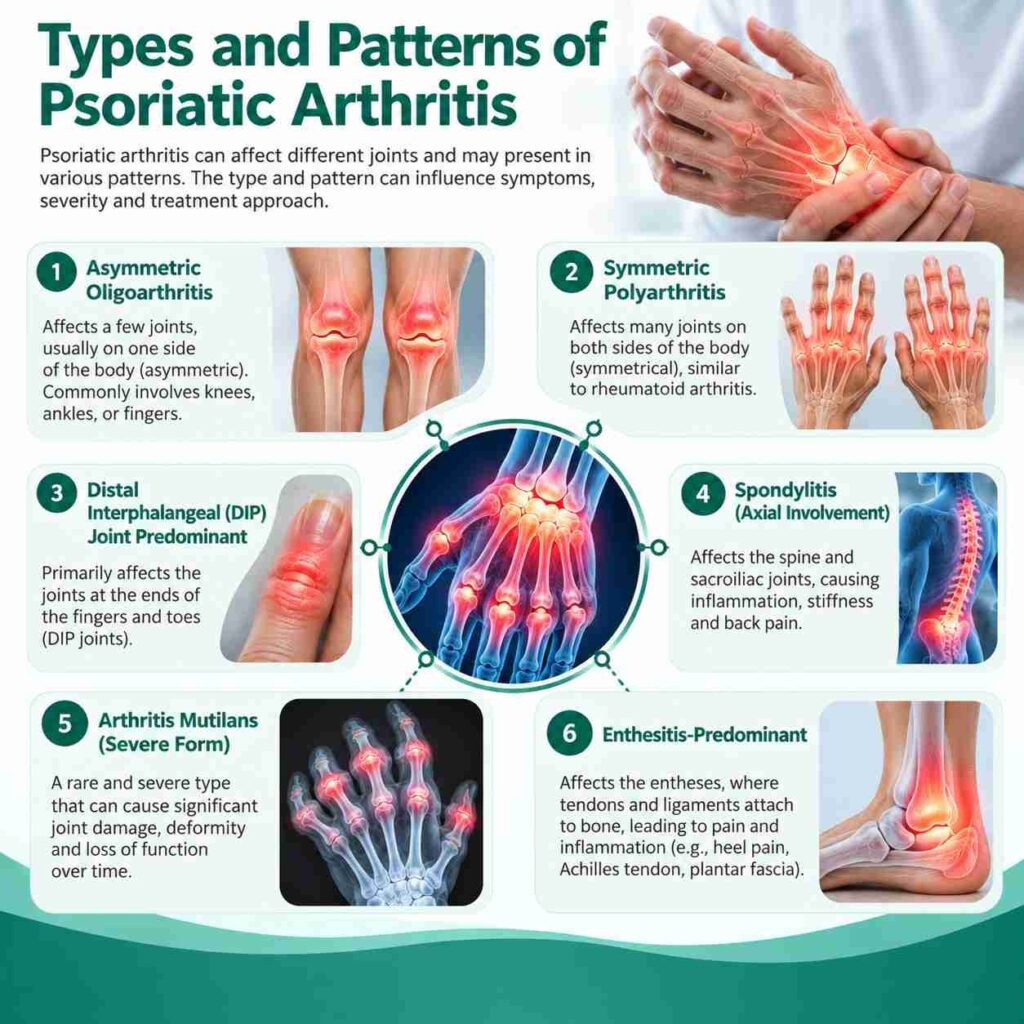
Types and Patterns of Psoriatic Arthritis
Psoriatic arthritis can affect different joints and tissues. Common patterns include:
Peripheral arthritis: Inflammation in joints such as the fingers, toes, knees and ankles.
Axial arthritis: Involvement of the spine or joints around the pelvis, potentially causing back stiffness.
Dactylitis: Swelling of an entire finger or toe.
Enthesitis: Inflammation where tendons or ligaments attach to bones, often around the heel or foot.
These patterns can overlap, and symptoms differ from person to person.

How Is Psoriatic Arthritis Diagnosed?
There is no single test that confirms psoriatic arthritis. Diagnosis usually involves reviewing symptoms, medical and family history, and examining the joints, skin and nails.
Depending on the findings, a doctor may recommend:
Blood tests: Help assess inflammation and investigate other conditions.
X-rays: Show joint changes or damage.
Ultrasound: Helps identify inflammation in joints and surrounding tissues.
MRI scans: Provide detailed images of joints, tendons and ligaments.
Joint fluid analysis: May help distinguish conditions such as gout or identify infection when suspected.
A rheumatologist may be involved in confirming the diagnosis and planning treatment.
Psoriatic Arthritis Treatment Options
Psoriatic arthritis treatment aims to control inflammation, relieve pain and stiffness, maintain mobility and reduce the risk of joint damage. Treatment depends on symptom severity and the areas affected.
Options may include:
Anti-inflammatory medicines: Help manage pain and swelling in selected cases.
Disease-modifying medicines: Help control inflammation and may slow disease progression.
Biologic or targeted therapies: May be recommended when appropriate for the individual’s condition.
Physiotherapy: Supports strength, flexibility and joint function.
Joint injections: May be considered for selected cases by a qualified clinician.
Regular follow-up helps assess treatment response and monitor side effects. Treatment should be guided by a qualified healthcare professional.


Living With Psoriatic Arthritis: Daily Management Tips
Daily habits can support medical treatment and help maintain mobility.
Stay active: Choose suitable low-impact activities, such as walking or swimming, as tolerated.
Protect your joints: Adjust repetitive tasks and avoid unnecessary strain.
Eat a balanced diet: Focus on varied, nutritious foods.
Balance activity and rest: Allow time to recover, particularly during flare-ups.
Avoid smoking: Seek support to quit if needed.
Attend follow-ups: Discuss new symptoms and treatment progress with your healthcare professional.
Lifestyle measures complement medical treatment but do not replace it.
Psoriasis vs Psoriatic Arthritis
Psoriasis mainly affects the skin and nails, causing areas of red, inflamed, scaly skin and nail changes.
Psoriatic arthritis can affect the joints and tissues around them, causing pain, swelling, stiffness, and reduced movement.
Some people experience both conditions at the same time, while in others joint symptoms may appear before obvious psoriasis.

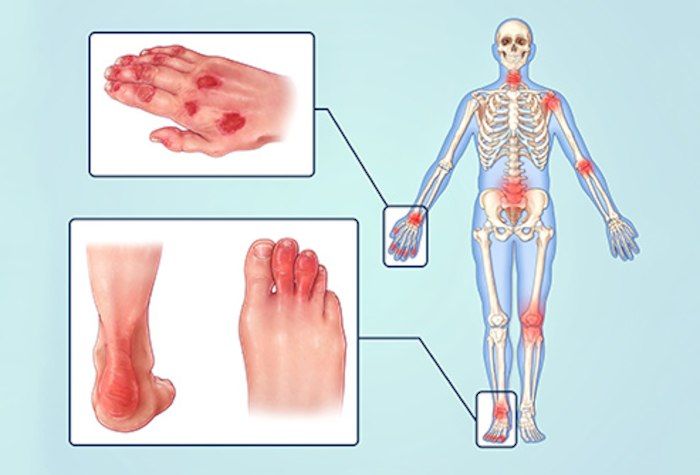
Which Joints Can Psoriatic Arthritis Affect?
Psoriatic arthritis can affect different parts of the body.
It may involve:
- Fingers and toes
- Wrists and hands
- Knees
- Ankles and feet
- Elbows
- Shoulders
- Neck and spine
- Lower back
- Areas where tendons attach to bones
The pattern can be different from one person to another.
Psoriatic Arthritis and Tendon Pain
Psoriatic arthritis can also cause inflammation where tendons and ligaments attach to bones. This is called enthesitis.
Common areas include:
- Back of the heel
- Bottom of the foot
- Around the knee
- Elbow
- Pelvis
Heel or foot pain that keeps returning, particularly alongside psoriasis or joint stiffness, should be evaluated.

Psoriatic Arthritis and Eye Problems
Some people with psoriatic arthritis can develop inflammation inside the eye called uveitis.
Symptoms can include:
- Eye pain
- Eye redness
- Blurred vision
- Increased sensitivity to light
Sudden eye pain, redness, or vision changes should be assessed promptly because untreated eye inflammation can threaten vision.
Complications of Psoriatic Arthritis
When inflammation remains uncontrolled, psoriatic arthritis can cause progressive joint damage and affect movement and daily activities.
Possible problems include:
- Permanent joint damage
- Reduced joint movement
- Chronic pain and stiffness
- Difficulty walking or using the hands
- Persistent fatigue
- Eye inflammation such as uveitis
- Increased risk of certain other health conditions
This is why early diagnosis and appropriate treatment are important.
When to See a Doctor for Psoriatic Arthritis
Seek medical advice if you experience recurring joint pain, swelling or morning stiffness, particularly if you have psoriasis or changes in your nails. Early assessment can help identify the cause and guide appropriate care.
! Seek urgent medical assessment if you develop:
A suddenly painful, hot or swollen joint, especially with fever.
Eye pain, redness or blurred vision, which may indicate eye inflammation.
Why early assessment matters: A healthcare professional can assess your symptoms and help determine the next steps. Sudden eye symptoms or a hot, swollen joint with fever should not be ignored.

Which Doctor Treats Psoriatic Arthritis?
A rheumatologist specializes in inflammatory joint conditions and can assess suspected psoriatic arthritis. A dermatologist can help manage associated psoriasis, while a physiotherapist may support movement, strength and rehabilitation.
Coordinated care may be helpful when both skin and joint symptoms are present.
Psoriatic Arthritis vs Rheumatoid Arthritis
Psoriatic arthritis (PsA) and rheumatoid arthritis (RA) are both inflammatory joint conditions, but some of their common features differ.
Psoriatic Arthritis (PsA)
- ✓ Often associated with psoriasis or a personal history of the skin condition.
- ✓ May cause nail pitting, ridges or separation from the nail bed.
- ✓ Can cause swollen fingers or toes, sometimes called dactylitis.
- ✓ May inflame tendons and ligaments where they attach to bones.
Rheumatoid Arthritis (RA)
- ✓ Often affects the same joints on both sides of the body in a symmetrical pattern.
- ✓ Commonly causes persistent joint inflammation, pain and swelling.
- ✓ May cause morning stiffness and difficulty moving affected joints.
- ✓ Can affect other parts of the body, not just the joints.
Important: Symptoms can overlap, and neither condition can be confirmed by symptoms alone. A healthcare professional may use your medical history, physical examination and appropriate tests to establish the diagnosis and guide treatment.
Frequently Asked Questions About Psoriatic Arthritis
Find answers to common questions about psoriatic arthritis symptoms, diagnosis, treatment and long-term management.
Can you have psoriatic arthritis without psoriasis?
Yes. Joint symptoms can develop before noticeable psoriasis symptoms. Persistent joint pain or swelling should be assessed by a healthcare professional.
What are the early signs of psoriatic arthritis?
Early signs may include joint stiffness, pain, swelling, nail changes, heel pain and swollen fingers or toes. Symptoms vary from person to person.
Is psoriatic arthritis curable?
There is currently no cure, but treatment can help control inflammation, manage symptoms and reduce the risk of joint damage.
Can psoriatic arthritis get worse over time?
It can progress in some people, particularly without appropriate treatment. The course varies, so early diagnosis and regular medical care are important.
Which doctor treats psoriatic arthritis?
A rheumatologist is the main specialist for inflammatory joint disease. A dermatologist may also help manage associated psoriasis.
Remember: FAQ answers are for general information and do not replace an individual medical assessment. Consult a healthcare professional for symptoms or concerns about psoriatic arthritis.