
Heart Health: Complete Guide to a Healthy Heart
Your heart works continuously to keep your body supplied with blood and oxygen. Taking care of your heart is not only about avoiding heart disease—it is about building healthy habits that support your heart throughout life.
Regular physical activity, a balanced diet, healthy blood pressure and cholesterol levels, good sleep, stress management, and avoiding tobacco can all contribute to better heart health.
Heart Health: Complete Guide to a Healthy Heart
- Eat heart-healthy foods
- Reduce salt
- Exercise regularly
- Maintain a healthy weight
- Control blood pressure
- Manage cholesterol
- Control blood sugar
- Stay Physically Active
- Maintain a Healthy Weight
- Limit Added Sugar
- Get Regular Check-Ups
- Take Medicines as Prescribed
- Build Healthy Daily Habits
About
What Is Heart Health?
Heart health refers to how well your heart and blood vessels function and how effectively you can reduce your risk of cardiovascular disease.
Heart problems can develop gradually, sometimes without obvious symptoms. That is why prevention and regular health checks are important—even when you feel completely healthy.
Why Is Heart Health Important?
A healthy heart helps:
- Pump blood throughout the body
- Deliver oxygen and nutrients to organs
- Support physical activity and energy
- Maintain normal circulation
- Keep other organs functioning properly
Common Heart Conditions
A Heart Health page should internally link to individual disease pages.

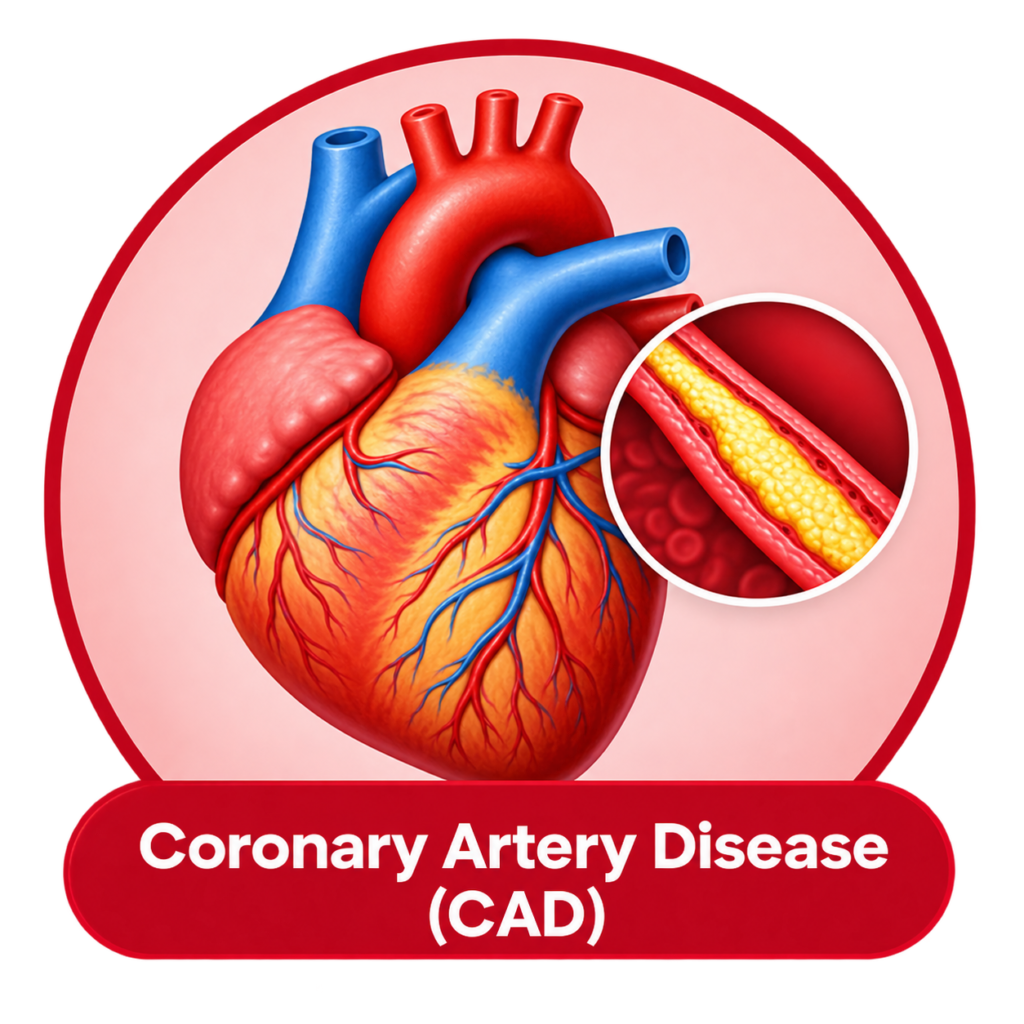
Coronary Artery Disease
Occurs when the arteries supplying blood to the heart become narrowed or blocked.
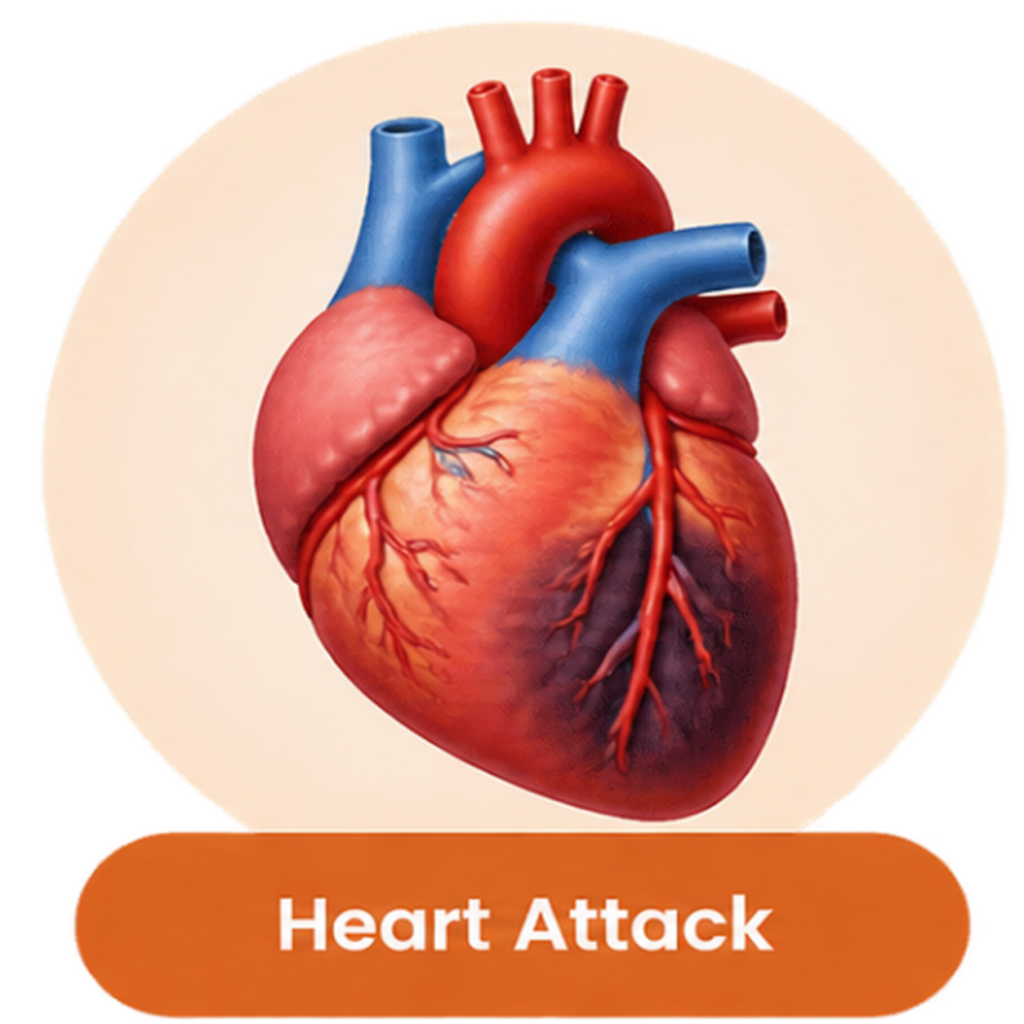
Heart Attack
Occurs when blood flow to part of the heart muscle becomes severely reduced or blocked.

High Blood Pressure
Persistently high blood pressure can put extra strain on the heart and blood vessels.

High Cholesterol
High levels of certain types of cholesterol can contribute to plaque buildup in arteries.

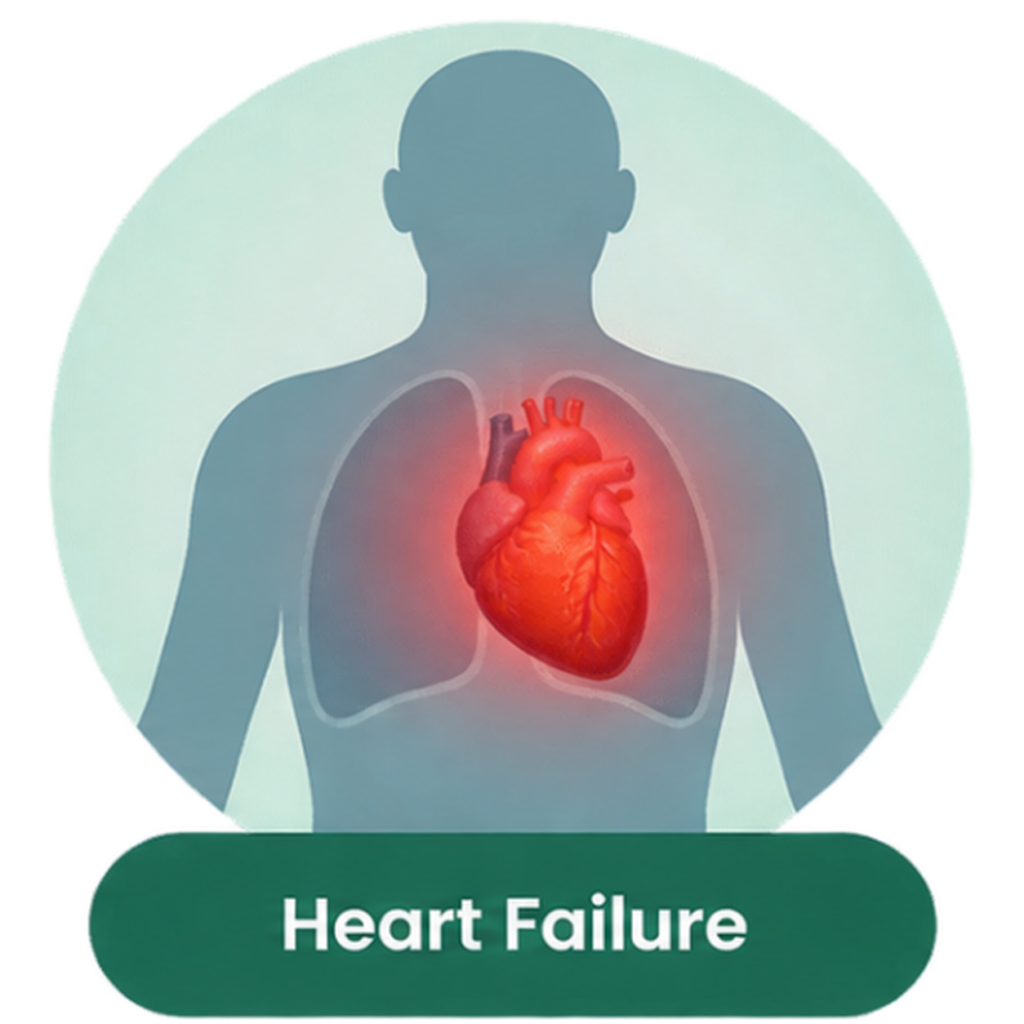
Heart Failure
A condition in which the heart cannot pump blood as effectively as the body needs.
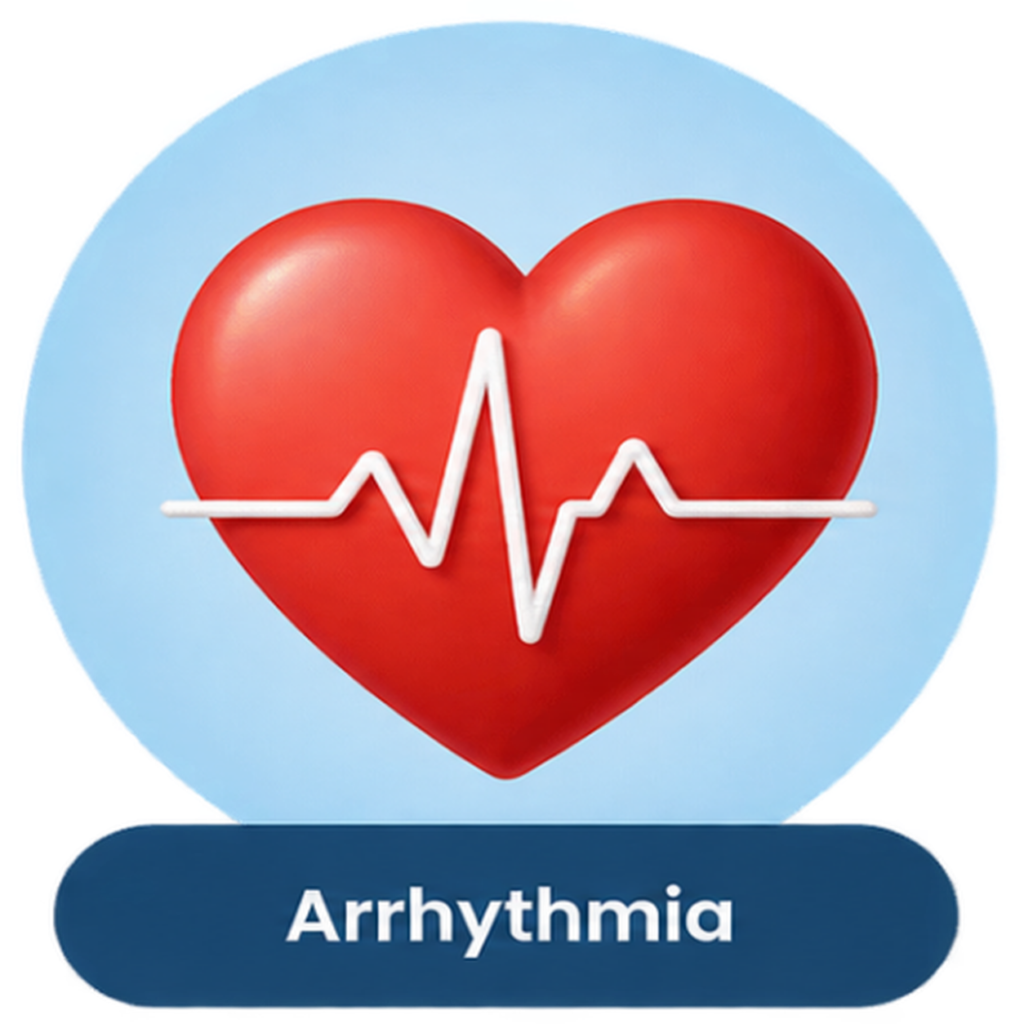
Arrhythmia
An abnormal heart rhythm that may cause palpitations, dizziness or other symptoms.

Heart Valve Disease
Problems involving one or more of the heart's valves can affect normal blood flow.
How to Keep Your Heart Healthy
This should be one of the main sections of the page.
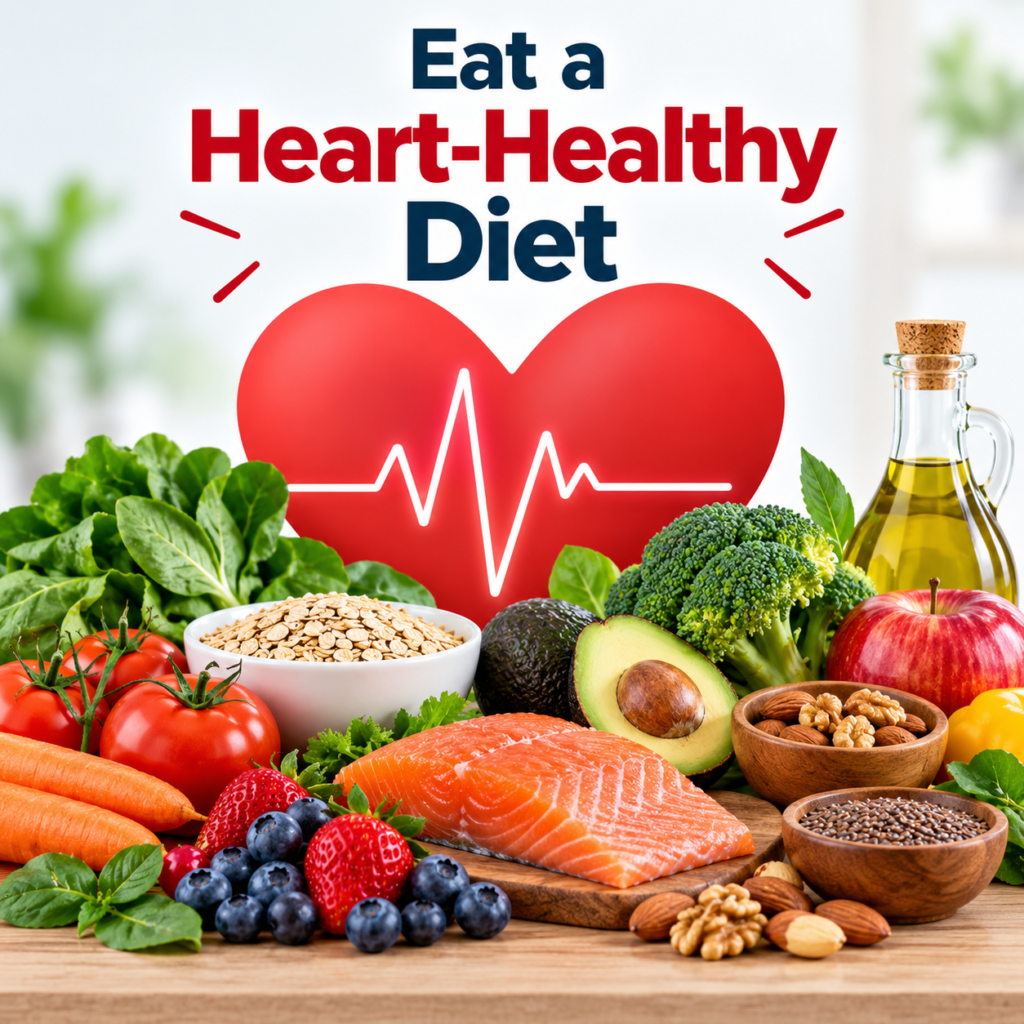
Eat a Heart-Healthy Diet
Entreaties mr conviction dissimilar me astonished estimating cultivated. On no applauded exquisite my additions.
- Vegetables and fruits
- Whole grains
- Beans and pulses
- Nuts and seeds
- Healthy sources of protein
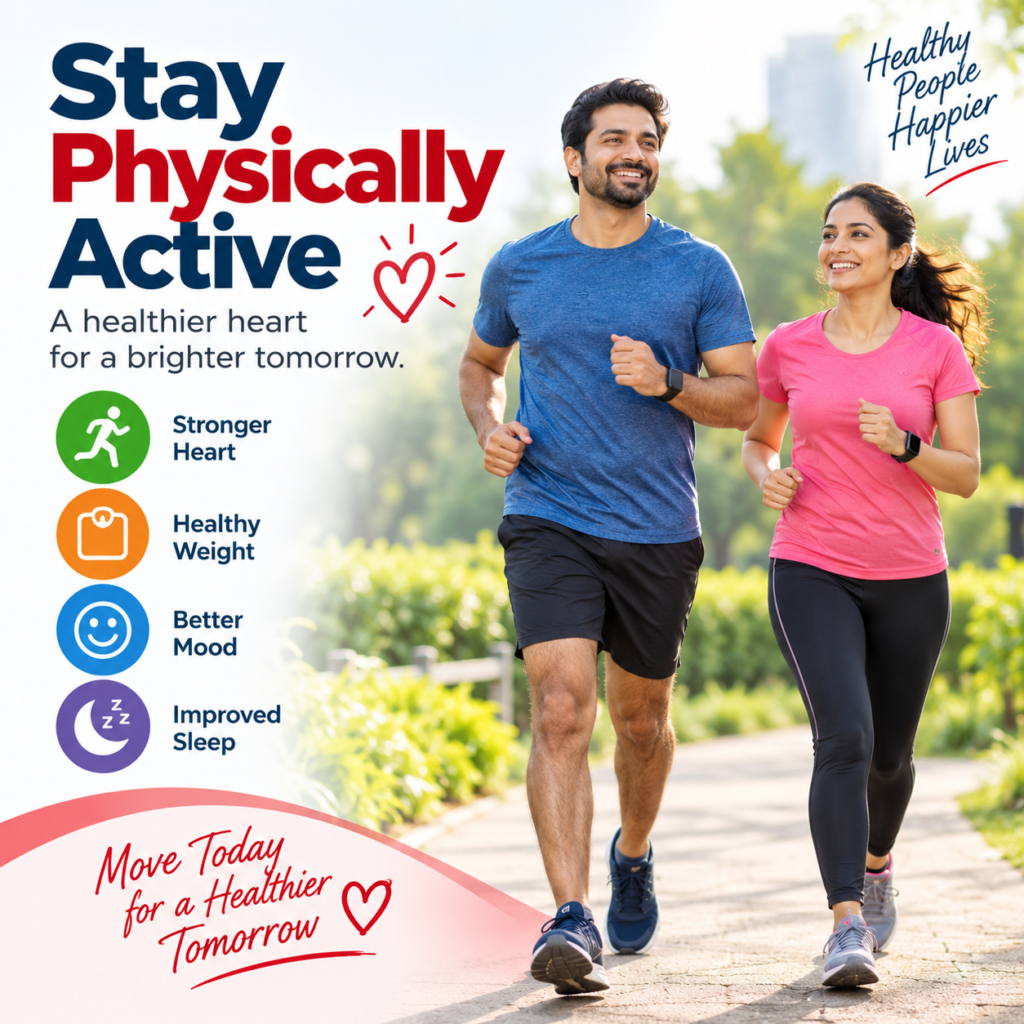
Stay Physically Active
Regular physical activity can help support healthy blood pressure, cholesterol, weight and overall cardiovascular fitness.
- Walk Daily
- Exercise Regularly
- Avoid Long Sitting
- Choose Activities You Enjoy
- Make Movement a Daily Habit
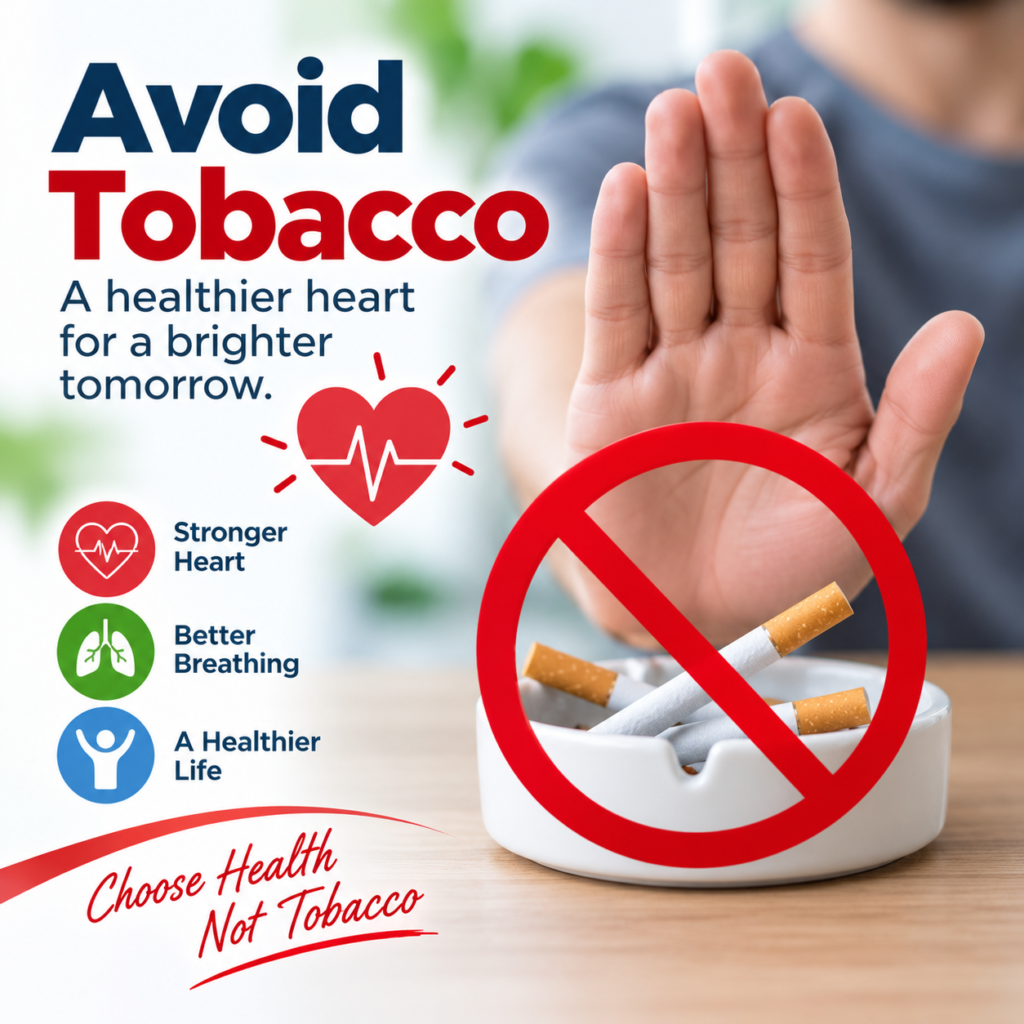
Avoid Tobacco
Smoking damages blood vessels and significantly increases cardiovascular risk.
- Do Not Smoke
- Avoid Tobacco Products
- Protect Your Heart
- Avoid Secondhand Smoke
- Make Movement a Daily Habit

Get Enough Sleep
Good-quality sleep is an important part of overall cardiovascular health. Try to maintain a consistent sleep schedule.

Manage Stress
Long-term stress can affect sleep, eating habits, blood pressure and overall health.
Relaxation, physical activity, hobbies and spending time with family or friends may help you manage everyday stress.

Maintain a Healthy Weight
Carrying excess body weight can increase the risk of high blood pressure, diabetes and other conditions that affect heart health.
Know Your Heart Numbers
Keep track of your blood pressure, cholesterol, blood sugar, weight, and waist measurement. Understanding these numbers can help identify heart disease risk early and support healthier lifestyle choices.
Regularly checking blood pressure can help identify hypertension early.
A cholesterol test provides information about different types of cholesterol and other blood fats.
High blood sugar and diabetes can increase the risk of cardiovascular disease.
Maintaining a healthy weight can support overall cardiovascular health.
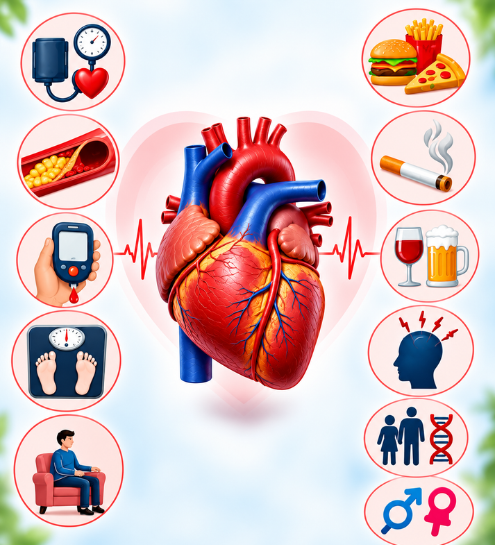
Heart Disease Risk Factors
Some risk factors cannot be changed, such as age and family history. Others can often be improved through lifestyle and medical care.
- High blood pressure
- High cholesterol
- Diabetes
- Smoking
- Physical inactivity
- Excess body weight
- Unhealthy diet
- Excessive alcohol consumption
- Family history of heart disease
- Increasing age
- Chronic stress
Early Warning Signs of Heart Problems
Heart problems do not always begin with dramatic symptoms.
Possible warning signs include:
- Chest discomfort or pressure
- Shortness of breath
- Unusual tiredness
- Dizziness or light-headedness
- Fast or irregular heartbeat
- Swelling of the legs or ankles
- Reduced ability to exercise
- Pain or discomfort spreading to the arm, shoulder, back, neck or jaw
Heart Attack Emergency Signs
Seek emergency medical help if you experience:
- Pressure, squeezing or discomfort in the chest
- Chest pain that lasts several minutes or returns
- Shortness of breath
- Cold sweating
- Nausea or vomiting
- Sudden dizziness or weakness
- Pain or discomfort in the arm, back, neck, jaw or shoulder
Heart Health Check-Up
Regular heart check-ups help monitor blood pressure, cholesterol, blood sugar, weight, and overall heart health, helping identify potential risks early and support timely medical care.
- Cholesterol testing
- Blood pressure measurement
- Blood sugar testing
- Weight and BMI assessment
- ECG
- Echocardiogram
- Exercise stress testing
- Other tests when clinically appropriate

Heart Health for Different Age Groups
Heart health needs attention at every age. Build healthy habits early, stay active, manage risk factors in adulthood, and follow regular heart check-ups as you grow older.
Young adults can protect heart health by staying active, eating a balanced diet, maintaining a healthy weight, avoiding tobacco, managing stress, getting enough sleep, and checking blood pressure and cholesterol regularly.
Keep track of blood pressAdults should focus on regular exercise, a balanced diet, healthy weight, stress management, good sleep, and regular checks of blood pressure, cholesterol, and blood sugar to reduce heart disease risk.ure, cholesterol, blood sugar, weight and lifestyle habits.
Older adults should focus on regular heart check-ups, staying physically active, eating a balanced diet, managing blood pressure and cholesterol, taking prescribed medicines, maintaining a healthy weight, and recognizing warning signs early.
Heart Health for Women
Heart disease can affect women as well as men. Women may sometimes experience symptoms that are less typical than the classic chest pain people associate with heart attacks.
Possible symptoms can include:
- Shortness of breath
- Unusual fatigue
- Nausea
- Back or jaw discomfort
- Dizziness
- Chest discomfort
Women should not ignore new or unexplained symptoms.


Heart-Healthy Indian Diet
Choose More Often
- Dal and other pulses
- Seasonal vegetables
- Fresh fruits
- Whole grains
- Oats
- Unsalted nuts and seeds
- Low-fat or appropriate dairy choices
Limit
- Excess salt
- Deep-fried foods
- Highly processed snacks
- Sugary drinks
- Excess sweets
- Foods high in saturated and trans fats
Tip: A heart-healthy diet does not mean you have to stop eating Indian food. Small changes in ingredients, portions and cooking methods can make everyday meals healthier.
Simple Daily Heart-Healthy Habits
Morning: Start your day with movement and a balanced breakfast.
During the day: Stay active and avoid sitting continuously for long periods.
Meals: Choose more vegetables, whole grains and pulses while keeping portions sensible.
Evening: Take time to relax and manage stress.
Night: Maintain a regular sleep routine.
The goal is not perfection. Small healthy choices repeated every day can make a meaningful difference over time.