
Ulcerative Colitis
Symptoms, Causes, Diagnosis, Treatment & Living With UC
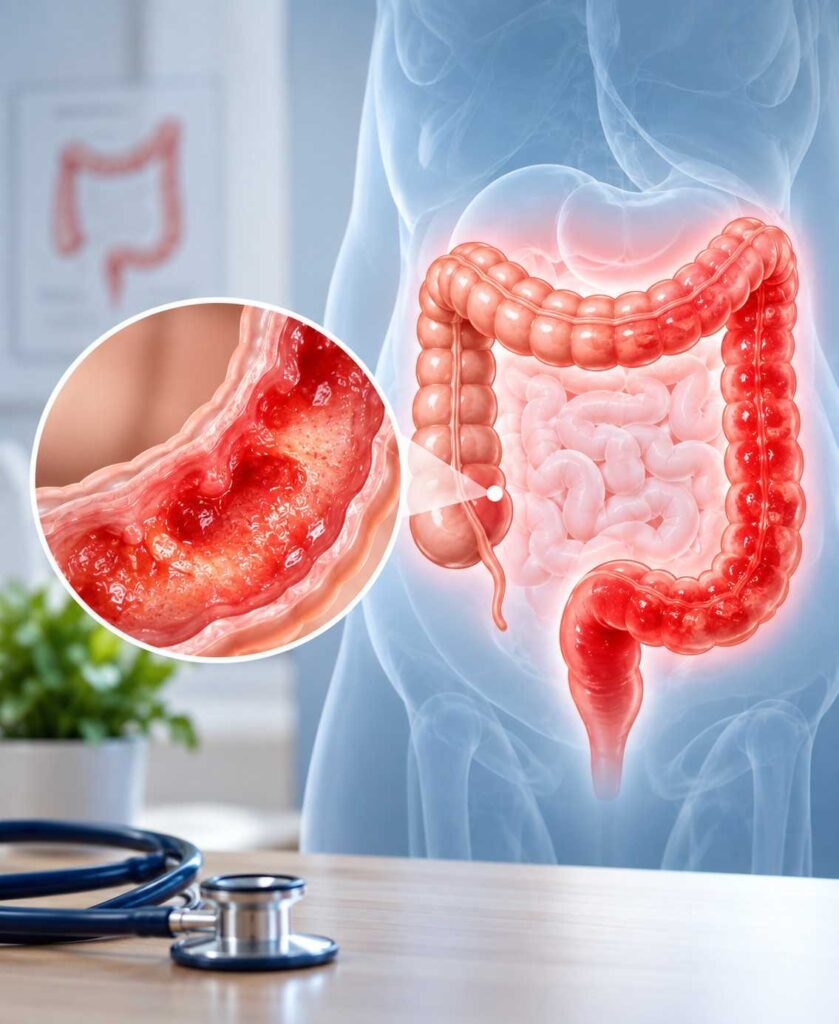
Ulcerative colitis is a chronic inflammatory bowel disease that causes inflammation and ulcers in the lining of the large intestine (colon). Symptoms can come and go, and treatment can help control inflammation and reduce flare-ups.

Medically reviewed • Evidence-informed • Regularly updated
What Is Ulcerative Colitis? Essential Facts to Know
Ulcerative colitis (UC) is a type of inflammatory bowel disease (IBD) that causes inflammation and ulcers in the lining of the large intestine, or colon. Symptoms may include diarrhea, rectal bleeding, abdominal discomfort and an urgent need to have a bowel movement. Symptoms can occur during flare-ups and may improve during periods of remission.
| Condition | Inflammatory bowel disease |
| Main area affected | Colon / large intestine |
| Pattern | Flares and remission |
| Specialist | Gastroenterologist |
| Diagnosis | Medical history, tests and endoscopy |
| Treatment | Depends on severity and individual needs |
Where Does Ulcerative Colitis Affect the Digestive System?
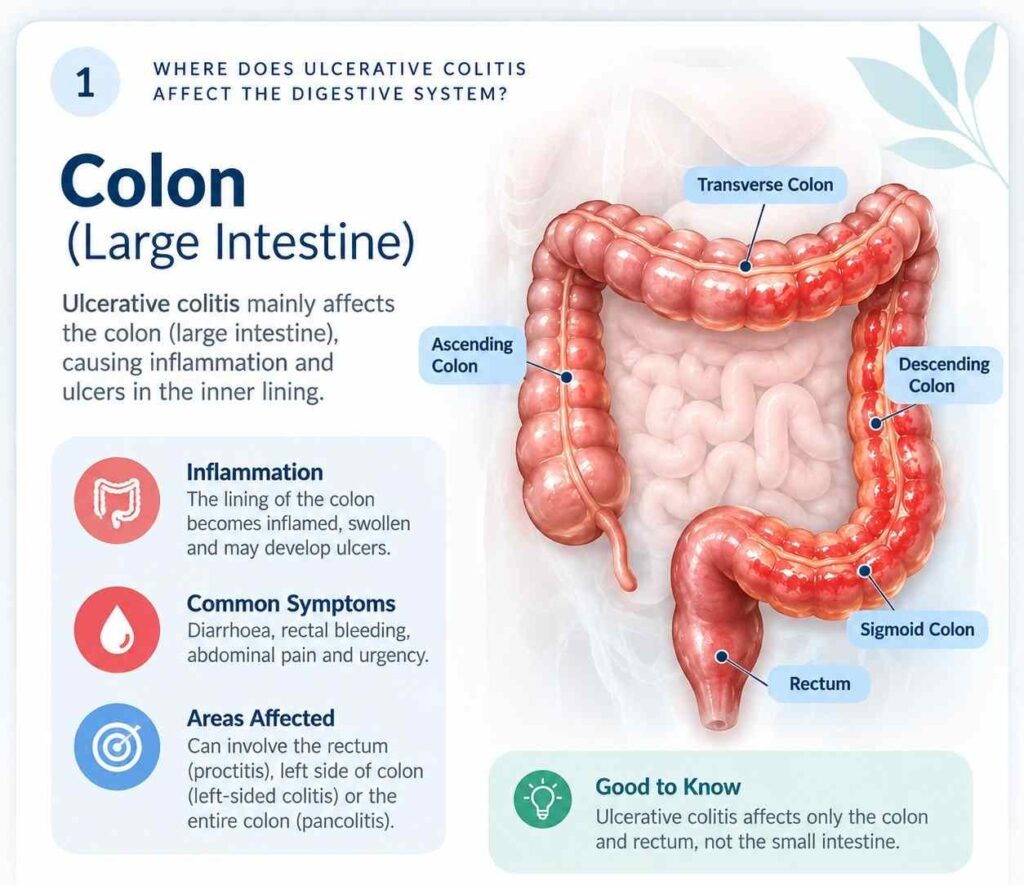
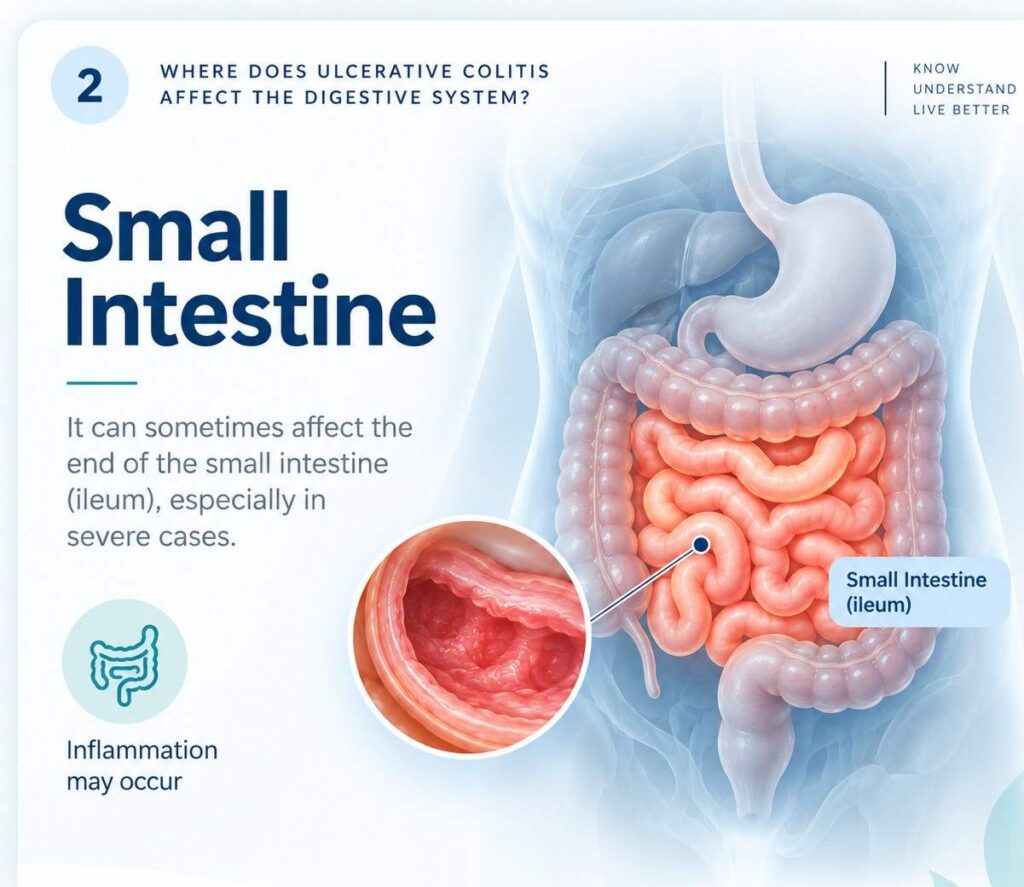

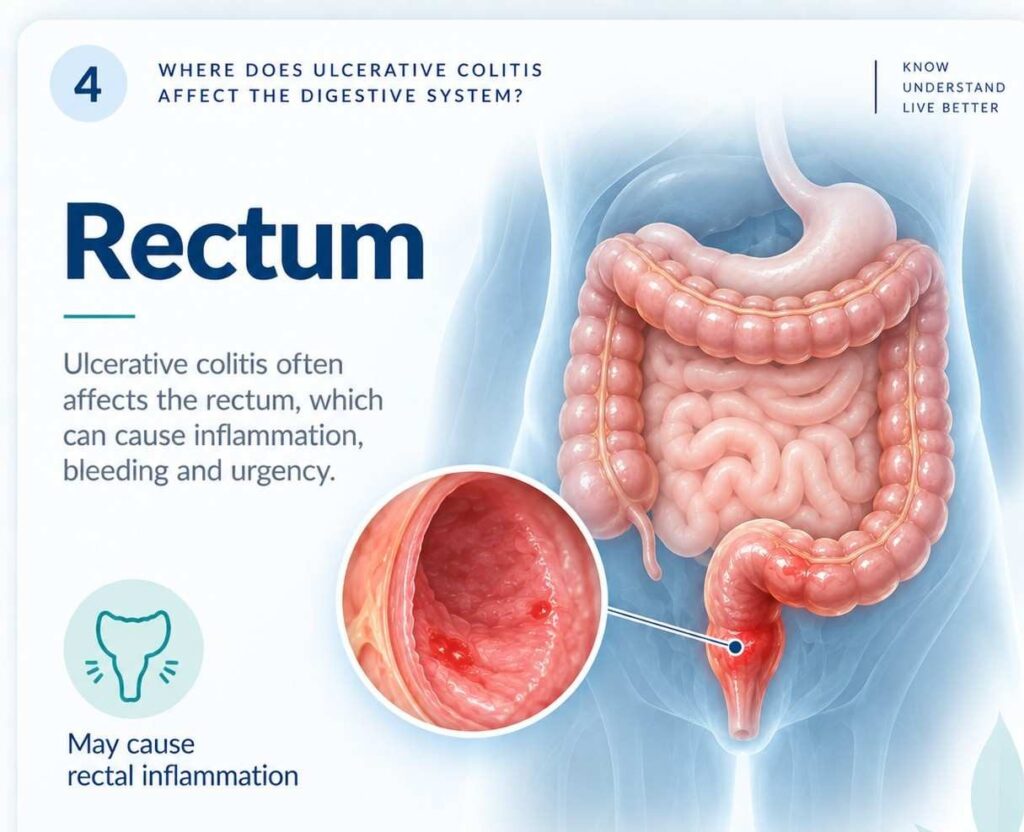
Ulcerative Colitis Symptoms: 7 Important Warning Signs
Symptoms can vary depending on how much of the colon is affected and how active the inflammation is. They may come and go during periods of flare-up and remission.
Common symptoms
 Rectal bleeding
Blood or mucus may appear with bowel movements.
 Diarrhea
Loose or frequent bowel movements are common.
 Urgent bowel movements
You may feel a sudden need to use the bathroom.
 Abdominal discomfort
Cramping or abdominal pain can occur.
 Bloating
Some people experience abdominal fullness or bloating.
 Fatigue
Ongoing inflammation and other effects of the disease may contribute to tiredness.
 Weight loss
More severe disease can affect appetite and nutrition.
 Fever
Fever can occur with more significant inflammation.

Early Signs of Ulcerative Colitis: 6 Important Warning Signs
Persistent bowel changes
Blood or mucus in stool
Frequent or urgent bowel movements
Abdominal cramps
Fatigue / weakness
Symptoms that keep returning
These symptoms can have many causes and do not necessarily mean you have ulcerative colitis. Persistent or concerning symptoms should be evaluated by a healthcare professional.

Types of Ulcerative Colitis: 4 Key Patterns Explained
Ulcerative Proctitis
Inflammation mainly affects the rectum.
Proctosigmoiditis
Inflammation affects the rectum and sigmoid colon.
Left-Sided Colitis
Inflammation extends from the rectum through the left side of the colon.
Pancolitis
Inflammation affects the entire colon.
Ulcerative Colitis vs Crohn's Disease vs IBS
| Feature | Ulcerative Colitis | Crohn’s Disease | IBS |
|---|---|---|---|
| Type | Inflammatory bowel disease | Inflammatory bowel disease | Functional gastrointestinal disorder |
| Main area | Colon | Can affect different parts of digestive tract | Digestive system symptoms |
| Inflammation | Yes | Yes | No structural inflammation |
| Blood in stool | Can occur | Can occur | Usually not |
| Flares | Yes | Yes | Symptoms can fluctuate |
| Specialist | Gastroenterologist | Gastroenterologist | Depends on symptoms |
Not sure which condition your symptoms may relate to?
What Causes Ulcerative Colitis? Key Risk Factors Explained
The exact cause of ulcerative colitis is not known. Researchers believe that genetics, immune-system activity, environmental factors and changes in the gut microbiome may all play a role.
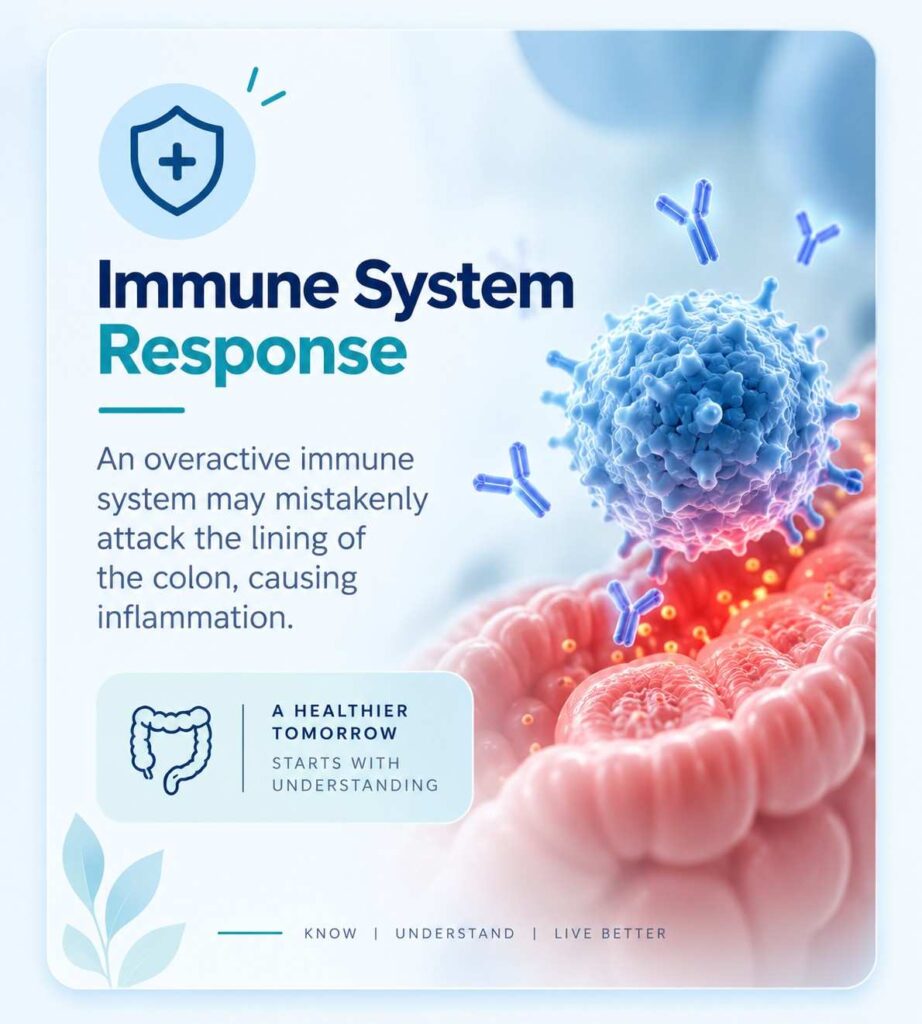



Who May Be at Higher Risk?
- Family history
- Certain genetic factors
- Immune-related factors
- Other potential environmental influences

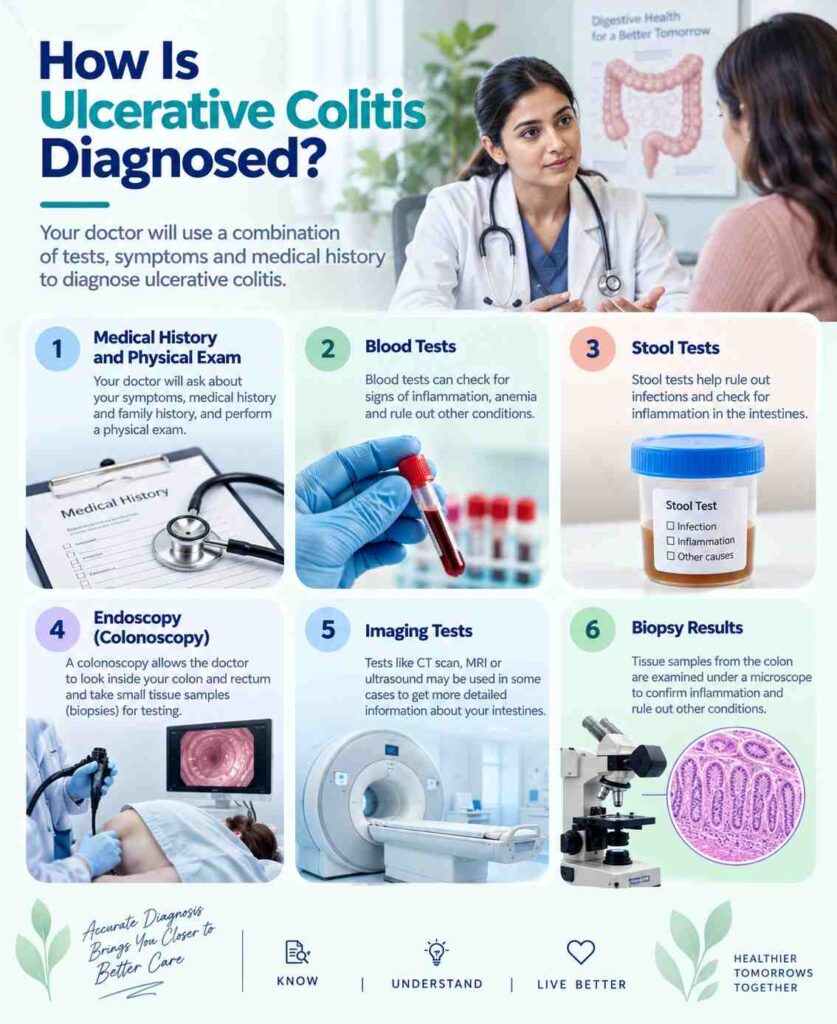
Ulcerative Colitis Diagnosis: 5 Essential Steps
01 — Medical History
Symptoms, duration, bowel habits and family history.
02 — Physical Examination
Your doctor evaluates symptoms and overall health.
03 — Blood & Stool Tests
These may help look for inflammation, anemia, infection or other causes.
04 — Colonoscopy / Sigmoidoscopy
A specialist can examine the lining of the colon and rectum.
05 — Imaging When Needed
Ulcerative Colitis Treatment: Effective Options Explained
Treatment depends on the severity and extent of disease, symptoms, previous treatment response and other individual factors. The goal is generally to control inflammation, relieve symptoms and maintain remission
💊 Medicines
Anti-inflammatory medicines, corticosteroids, immunomodulators, biologics and other targeted therapies may be used depending on the situation.
🥗 Nutrition & Diet
Dietary approaches can help some people manage symptoms and maintain nutrition, but there is no single UC diet that works for everyone.
🩺 Monitoring
Regular follow-up helps doctors assess symptoms, inflammation and treatment response.
🏥 Surgery
Surgery may be considered in certain severe or complicated cases. Removal of the colon and rectum can be curative for UC, but it is a major treatment decision.
Ulcerative Colitis Flare-Ups: Important Signs and Next Steps
During a flare
- diarrhea
- blood/mucus in stool
- abdominal discomfort
- urgency
- fatigue
What can help
- Take prescribed medicines
- Stay hydrated
- Track symptoms
- Pay attention to food triggers
- Stay in contact with your doctor
When Should You See a Gastroenterologist?
Book an appointment if you have:
- persistent diarrhea
- recurrent blood in stool
- ongoing abdominal pain
- unexplained weight loss
- persistent bowel changes
- repeated episodes of urgency

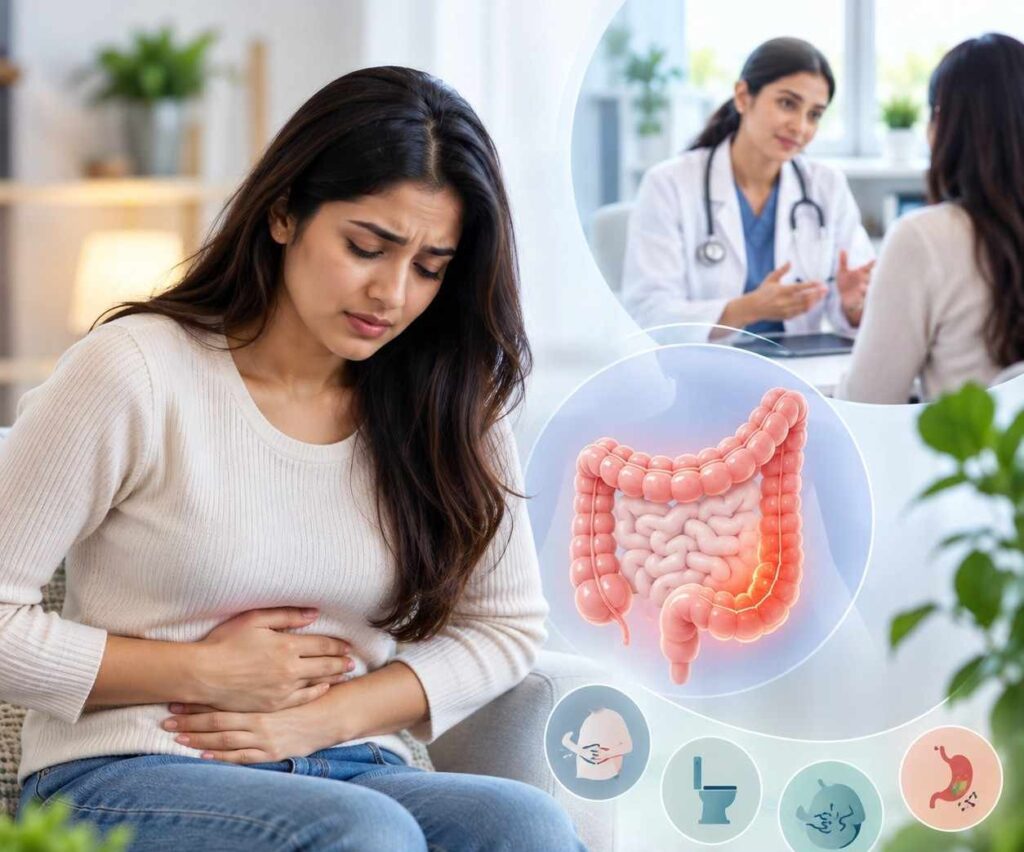
Living With Persistent Digestive Symptoms?
A gastroenterologist can evaluate persistent bowel symptoms, investigate possible causes and help determine whether further testing is needed.
Ulcerative Colitis Complications: 5 Important Risks to Know
Potential complications can include:
- severe inflammation
- anemia
- dehydration
- complications requiring hospitalization
- increased colorectal cancer risk with long-standing disease in some people
Your individual risk depends on factors such as the extent and duration of disease and how well inflammation is controlled.

Related Digestive Health Topics
Crohn’s Disease
Inflammatory Bowel Disease
Irritable Bowel Syndrome
Colonoscopy
Diarrhea
Constipation
Blood in Stool
Frequently Asked Questions
1. What is ulcerative colitis?
Ulcerative colitis (UC) is a chronic inflammatory bowel disease that causes inflammation and ulcers in the inner lining of the colon and rectum. Symptoms can include diarrhea, rectal bleeding, abdominal pain, and an urgent need to have a bowel movement. The condition can have periods of flare-ups and remission.
2. What are the common symptoms of ulcerative colitis?
Common symptoms include frequent or urgent bowel movements, diarrhea, blood or mucus in the stool, abdominal cramps or pain, rectal bleeding, fatigue, and sometimes weight loss or fever. Symptoms can vary depending on the extent and severity of inflammation.
3. What are the early signs of ulcerative colitis?
Early signs may include persistent diarrhea, recurrent blood or mucus in the stool, increased bowel urgency, abdominal discomfort, and changes in normal bowel habits. These symptoms can also occur with other digestive conditions, so persistent symptoms should be evaluated by a healthcare professional.
4. What causes ulcerative colitis?
The exact cause of ulcerative colitis is not fully understood. Research suggests that an abnormal immune response, genetic factors, environmental influences, and changes in the gut microbiome may contribute to its development. It is not caused by a single food or lifestyle factor.
5. What is the difference between ulcerative colitis and Crohn’s disease?
Both ulcerative colitis and Crohn’s disease are inflammatory bowel diseases, but they affect the digestive tract differently. Ulcerative colitis primarily affects the colon and rectum, while Crohn’s disease can affect different parts of the digestive tract. The pattern and depth of inflammation also differ between the two conditions.
6. Can ulcerative colitis be cured?
There is currently no medication that permanently cures ulcerative colitis. However, treatment can control inflammation, reduce symptoms, achieve remission, and help prevent complications. In some cases, surgery to remove the colon and rectum can eliminate the intestinal disease, but it is a major treatment decision.
7. How is ulcerative colitis diagnosed?
Diagnosis usually involves a combination of medical history, physical examination, blood tests, stool tests, and examination of the colon using procedures such as colonoscopy or flexible sigmoidoscopy. Imaging or biopsies may also be used when appropriate. No single test confirms every case of ulcerative colitis.
8. What foods should you avoid with ulcerative colitis?
There is no single diet that everyone with ulcerative colitis needs to follow. During a flare-up, some people may find that certain foods worsen symptoms, such as very high-fiber foods, spicy foods, or foods that are difficult to digest. A doctor or registered dietitian can help identify individual triggers while ensuring adequate nutrition.
9. Can ulcerative colitis go into remission?
Yes. Treatment can help many people achieve periods of remission, when symptoms and inflammation are reduced or absent. Remission can last for varying amounts of time, and regular medical follow-up can help monitor the condition and reduce the risk of future flare-ups.
10. What is an ulcerative colitis flare-up?
A flare-up is a period when ulcerative colitis symptoms become active or worsen. It may involve increased diarrhea, rectal bleeding, abdominal pain, urgency, fatigue, or other symptoms. The severity and duration of a flare can vary from person to person.
11. Which doctor treats ulcerative colitis?
A gastroenterologist is the specialist who evaluates and treats ulcerative colitis and other diseases affecting the digestive system. Depending on the patient’s needs, treatment may also involve other healthcare professionals, such as dietitians or colorectal surgeons.
12. When should I see a doctor for possible ulcerative colitis?
You should consider seeing a doctor if you have persistent diarrhea, recurring blood or mucus in your stool, unexplained weight loss, ongoing abdominal pain, or repeated changes in bowel habits. Significant bleeding, severe abdominal pain, dehydration, high fever, or rapidly worsening symptoms require prompt medical attention.
13. Can ulcerative colitis cause blood in the stool?
Yes. Inflammation and ulcers in the colon or rectum can cause rectal bleeding, so blood may appear in the stool or on toilet tissue. However, blood in the stool can have many causes, so it should not automatically be assumed to be ulcerative colitis.
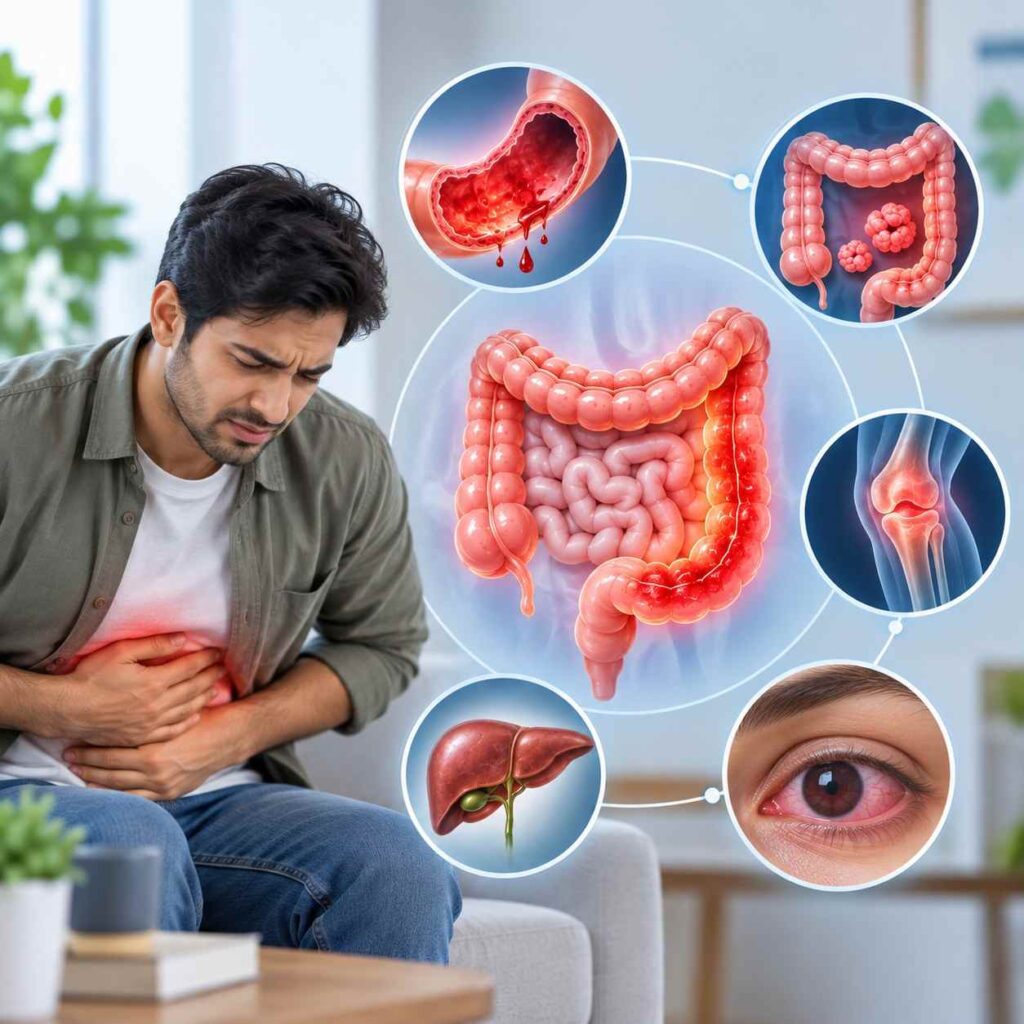
14. Can ulcerative colitis affect areas outside the digestive system?
Yes. Ulcerative colitis can sometimes be associated with problems outside the digestive tract, including certain joint, skin, eye, or liver and bile-duct conditions. These complications do not occur in everyone with UC and should be evaluated by a healthcare professional.
15. Is ulcerative colitis the same as IBS?
No. Ulcerative colitis is an inflammatory bowel disease that causes inflammation and structural changes in the digestive tract. Irritable bowel syndrome (IBS) is a different condition that affects how the digestive system functions and does not cause the same type of intestinal inflammation seen in ulcerative colitis.
Persistent Digestive Symptoms: When to Seek Medical Care
Understanding your symptoms is the first step. A gastroenterologist can help evaluate your symptoms and guide you toward appropriate testing and care.