

Atrial Fibrillation: Symptoms, Causes, Diagnosis & Treatment
Atrial fibrillation (AFib) is an irregular heart rhythm that can cause palpitations, shortness of breath, dizziness or fatigue — although some people have no noticeable symptoms. Learn how AFib is diagnosed, why it can increase stroke risk, and how doctors manage the condition.
Medically Reviewed Cardiology Information Updated Regulary
What Is Atrial Fibrillation?
Atrial fibrillation (AFib) is an irregular heart rhythm in which the heart’s upper chambers, called the atria, beat in an abnormal and uncoordinated way. This can affect how blood moves through the heart and can allow blood to pool in the atria, increasing the risk of blood clots and stroke.
| What is it? | An irregular heart rhythm |
|---|---|
| Medical name | Atrial fibrillation |
| Common abbreviation | AFib / AF |
| Main symptoms | Palpitations, fatigue, dizziness, shortness of breath |
| Can there be no symptoms? | Yes |
| Main concern | Increased risk of blood clots and stroke |
| Which doctor? | Cardiologist; electrophysiologist for rhythm-focused care |
| How diagnosed? | ECG/EKG and heart-rhythm monitoring |
| Can it be treated? | Yes; treatment depends on the individual |
What Happens to the Heart During Atrial Fibrillation?
During a normal heartbeat, electrical signals follow an organized pathway. In atrial fibrillation, the electrical activity becomes disorganized, causing the atria and heartbeat to behave irregularly.
Normal Heartbeat
Organized electrical activityAtrial Fibrillation
Disorganized electrical activityAtrial Fibrillation Symptoms
❤️ Racing or irregular heartbeat
A heartbeat that feels fast, pounding, fluttering or irregular.
💨 Shortness of breath
Breathing may feel difficult, particularly during activity.
😴 Fatigue
Unusual tiredness or reduced energy.
🌀 Dizziness
Feeling lightheaded or unsteady.
💓 Palpitations
A noticeable awareness of your heartbeat.
🏃 Reduced exercise tolerance
Getting tired or breathless more easily than usual.

Some people with atrial fibrillation have no symptoms at all. AFib may sometimes be discovered during a routine examination or heart-rhythm test.
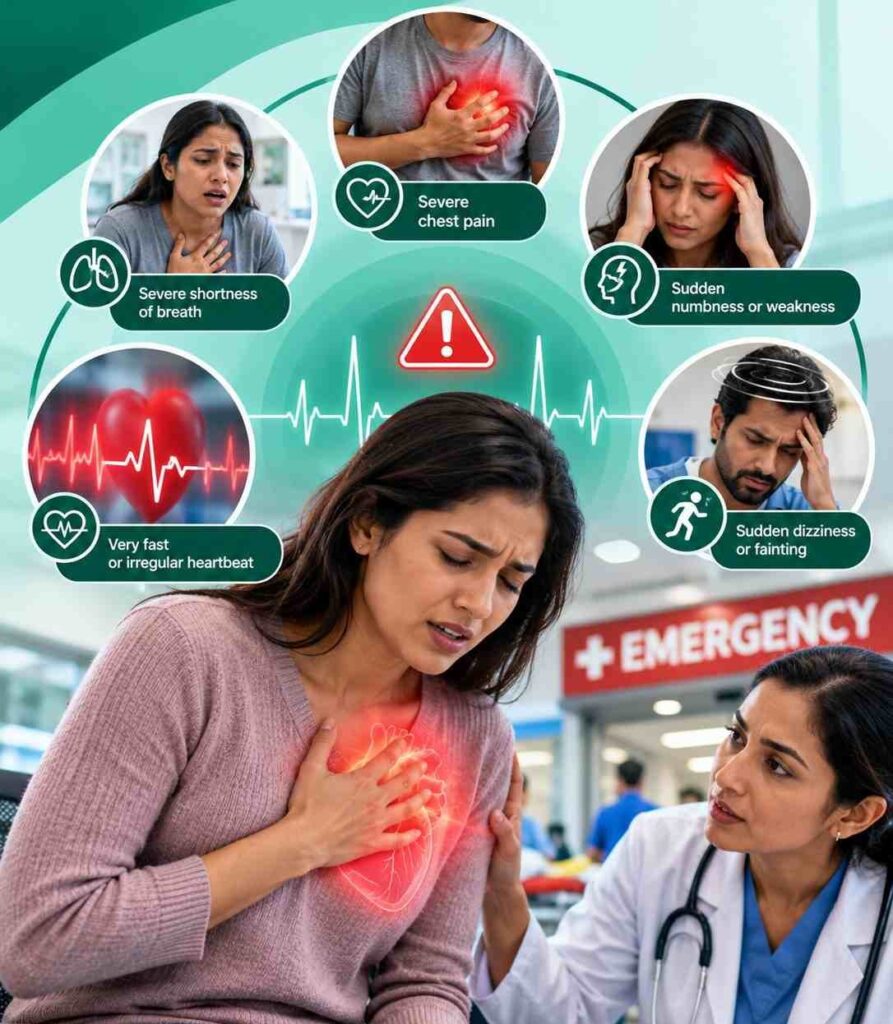
When Should You Seek Urgent Medical Attention?
Emergency symptoms
Seek emergency medical care immediately if you have:
- chest pain or pressure
- severe difficulty breathing
- fainting or loss of consciousness
- sudden weakness or numbness
- sudden trouble speaking
- sudden confusion
- sudden vision changes
- severe dizziness with other concerning symptoms
AHA specifically emphasizes recognizing stroke symptoms and getting emergency help quickly; chest pain may also indicate a heart attack rather than simply AFib.
What Are the Types of Atrial Fibrillation?
Atrial Fibrillation Causes
Sometimes the exact cause of atrial fibrillation is not known. In other cases, AFib is associated with conditions or factors that affect the heart's structure, electrical system or overall cardiovascular health.
Conditions Associated With AFib
Lifestyle & Other Associated Factors
Who Is More Likely to Develop Atrial Fibrillation?
Certain health conditions and personal factors can make atrial fibrillation more likely. These factors do not mean that someone will definitely develop AFib.
Risk
What Can Trigger Atrial Fibrillation?
AFib triggers can vary from person to person. A factor that contributes to an episode in one person may not affect someone else.
These are possible contributors, not universal triggers. Individual experiences can differ.
Keeping a record of when palpitations occur, what you were doing and any associated symptoms can help your doctor understand your pattern.
Why Can Atrial Fibrillation Increase Stroke Risk?
AFib can increase the risk of blood clots and stroke because the atria do not contract normally during the irregular rhythm. Click each step to understand the pathway.
AFib can increase the risk of stroke. One of the most important reasons AFib needs medical evaluation is its association with blood clots and stroke.
How Do Doctors Assess Stroke Risk in AFib?
Stroke-risk assessment is individualized. Doctors consider multiple health factors rather than relying on a single symptom or factor.
Doctors consider individual factors such as age, previous stroke or transient ischemic attack, heart failure, hypertension, diabetes and vascular disease when assessing stroke risk and deciding whether anticoagulation may be appropriate.
- Age
- Previous stroke or TIA
- Heart failure
- Hypertension
- Diabetes
- Vascular disease
How Is Atrial Fibrillation Diagnosed?
Diagnosis usually combines symptoms, medical history, examination and heart-rhythm testing. Click each step to see what it involves.

Atrial Fibrillation Treatment
Atrial fibrillation treatment is individualized. Treatment decisions depend on symptoms, duration and pattern of AFib, stroke risk, other medical conditions, heart structure and the patient’s goals.
The major treatment goals are:
1. Prevent stroke
2. Control heart rate
3. Control heart rhythm when appropriate
What Is Cardioversion for AFib?
Cardioversion is a treatment used to restore a regular heart rhythm in selected people with atrial fibrillation. It can be performed using electrical energy or, in some situations, medication.

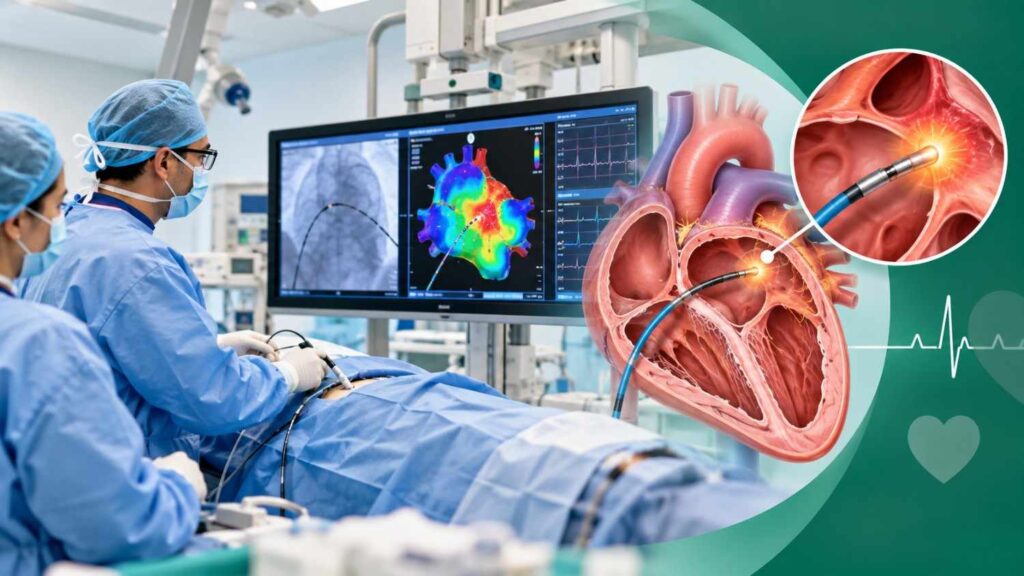
What Is Catheter Ablation for Atrial Fibrillation?
Catheter ablation is a minimally invasive procedure that uses energy to create small areas of scar tissue in the heart, helping block abnormal electrical signals that contribute to AFib.
What Are the Complications of Atrial Fibrillation?
AFib can affect health in different ways. Some complications are related to blood clots, while others can affect heart function and daily life.