

What Does Women's Health Include?
Women’s health covers a wide range of physical, reproductive, hormonal and preventive health needs that can change throughout a woman’s life. This includes menstrual health, reproductive health, pregnancy, fertility, breast health, pelvic health, urinary health, menopause and other conditions that may affect women differently.
| Area | Examples |
|---|---|
| Menstrual health | Period pain, heavy periods, irregular periods, PMS |
| Reproductive health | PCOS, endometriosis, ovarian cysts |
| Pregnancy | Prenatal care, pregnancy symptoms, postpartum health |
| Fertility | Ovulation, infertility, fertility evaluation |
| Breast health | Breast changes, lumps, screening |
| Hormonal health | Thyroid disorders, PCOS, menopause |
| Pelvic health | Pelvic pain, fibroids, prolapse |
| Sexual health | Infections, sexual concerns, contraception |
| Urinary health | UTIs, bladder problems, urinary symptoms |
| Midlife & menopause | Perimenopause, menopause, postmenopausal health |
Understand Women's Health Through Every Stage of Life
Women's health needs can change throughout life. Explore important health considerations from adolescence through menopause and beyond.
Adolescence
Early adolescence is a time of major physical and hormonal changes. Understanding puberty and menstrual health can help build healthy habits for the years ahead.
Menstrual Health
Understanding your menstrual cycle can help you recognize changes that may need attention and support overall reproductive health.
Reproductive Years
Reproductive health includes menstrual, hormonal, fertility and pelvic health concerns that may arise during these years.
Pregnancy & Postpartum
Pregnancy and the postpartum period bring important changes that may require regular monitoring, care and recovery support.
Perimenopause
Perimenopause is a transition period during which hormone levels and menstrual patterns may change.
Menopause
Menopause marks a natural stage of reproductive aging. Symptoms and health needs can vary from person to person.
Postmenopausal Health
After menopause, preventive care remains important for maintaining bone, cardiovascular, metabolic and overall health.
What Are You Experiencing?
Explore common women's health symptoms and concerns. Select an area below to understand what may need attention.
Period Problems
+Heavy, irregular, painful or missed periods.
Pelvic Pain
+Lower abdominal or pelvic discomfort.
Fertility Concerns
+Difficulty becoming pregnant or questions about ovulation.
Hormonal Changes
+Changes in weight, hair, skin, periods or other hormone-related symptoms.
Pregnancy Concerns
+Symptoms or questions during pregnancy.
Menopause Symptoms
+Hot flashes, cycle changes, sleep problems and other symptoms.
Breast Changes
+Lumps, pain, nipple changes or other breast concerns.
Vaginal Symptoms
+Unusual discharge, odor, itching or irritation.
Urinary Symptoms
+Burning, urgency, frequency or recurrent urinary problems.
Hair & Skin Changes
+Hair loss, excess hair, acne or pigmentation that may sometimes be associated with hormonal conditions.
Select a concern to explore
Choose one of the concerns above to see related areas that may need attention.
Women's Health Symptoms Can Have Many Causes
Similar symptoms can occur with different health conditions. Understanding the possible causes can help you know when further evaluation may be appropriate.
PCOS
Thyroid Issues
Other Causes
evaluation
+ examination
+ evaluation
Endometriosis
Ovarian Cyst
Other Causes
history
examination
indicated
when needed
Common Conditions
Explore common women's health conditions by area of care, from menstrual and reproductive health to pregnancy, breast health and menopause.
Menstrual & Hormonal
- PMS
- PMDD
- Irregular periods
- Heavy menstrual bleeding
- Amenorrhea
Reproductive Conditions
- PCOS
- Endometriosis
- Ovarian cysts
- Uterine fibroids
- Pelvic inflammatory disease
Pregnancy & Fertility
- Infertility
- Pregnancy-related conditions
- Gestational diabetes
- Pregnancy hypertension
Breast Health
- Breast lumps
- Breast pain
- Benign breast conditions
- Breast cancer
Pelvic & Vaginal Health
- Vaginal infections
- Bacterial vaginosis
- Yeast infections
- Pelvic organ prolapse
Midlife & Menopause
- Perimenopause
- Menopause
- Postmenopausal symptoms
- Osteoporosis
Period Health
Understand your menstrual cycle, recognize common period concerns, and know when symptoms may need medical evaluation.
Understanding Your Period
How the menstrual cycle works.
Period Pain
When cramps may be part of normal menstruation and when evaluation may be appropriate.
Heavy Periods
When bleeding is unusually heavy or affects daily life.
Irregular Periods
Possible causes include hormonal changes, PCOS, thyroid conditions and others.
Missed Periods
Pregnancy is one possible cause, but there are others.
PMS
Physical and emotional symptoms that occur around the menstrual cycle.
PCOS & Hormonal Health
PCOS is a hormonal condition associated with irregular ovulation, androgen-related symptoms and metabolic changes. Symptoms can vary considerably between people.
PCOS Symptoms
Irregular periods, acne, excess hair growth and other possible symptoms.
PCOS & Fertility
How hormonal and ovulatory changes can affect conception.
PCOS & Insulin Resistance
The relationship between PCOS and metabolic health.
PCOS Diagnosis
Medical history, examination and appropriate testing.

Pregnancy & Women's Health
Early Pregnancy
Common early symptoms and when to seek medical advice.
Prenatal Care
Routine healthcare and monitoring during pregnancy.
Pregnancy Conditions
Conditions that may require additional medical evaluation.
Postpartum Health
Physical and emotional health after childbirth.
Fertility & Reproductive Health
Understand ovulation, fertility, conception and when fertility evaluation may be appropriate.
Menstrual Cycle
Ovulation
Fertilization
Pregnancy
Explore Fertility & Reproductive Health
Learn about common fertility concerns and the evaluation process.
Understanding Ovulation
Learn what ovulation is and how it fits into the menstrual cycle.
Irregular Ovulation
Irregular or absent ovulation can have several possible causes.
Fertility Testing
Understand some of the tests that may be used to evaluate fertility.
Infertility
Learn about infertility, possible contributing factors and evaluation.
When to Seek Fertility Evaluation
Understand when discussing fertility concerns with a healthcare professional may be appropriate.
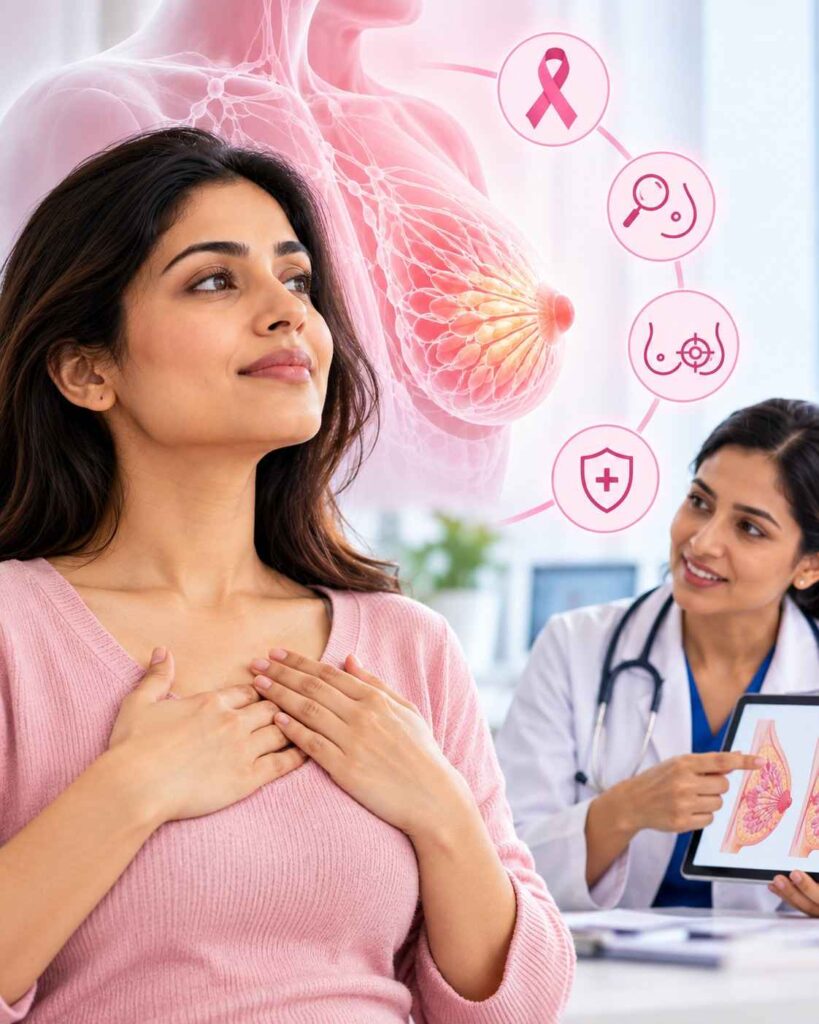
Breast Health
Breast Lumps
Not every breast lump is cancer, but a new or concerning change should be evaluated.
Breast Pain
Possible causes vary.
Nipple Changes
Changes in discharge or appearance may warrant assessment.
Breast Screening
Screening recommendations depend on factors such as age and individual risk.
Perimenopause & Menopause
Understand the changes that can occur before, during and after menopause and how they may affect everyday health.
Regular Cycles
Perimenopause
Menopause
Postmenopause
Common Changes to Understand
Menopause-related changes can affect several aspects of physical and emotional health.
Hot Flashes
Sudden feelings of warmth and sweating that may occur during perimenopause and menopause.
Period Changes
Menstrual cycles may become less predictable, lighter, heavier or more widely spaced during the transition.
Sleep Changes
Changes in hormones, night sweats and other symptoms may affect sleep quality.
Mood Changes
Some people experience changes in mood, irritability or emotional well-being during the transition.
Vaginal & Urinary Changes
Hormonal changes may contribute to vaginal dryness or changes in urinary and genital health.
Bone Health
Lower estrogen levels after menopause can affect bone health and contribute to bone loss.
Heart & Metabolic Health
Midlife health changes can make cardiovascular and metabolic health an important part of long-term care.
Common Women's Health Tests
| Test / Screening | What it may help evaluate |
|---|---|
| Pelvic examination | Reproductive/pelvic concerns |
| Cervical screening | Cervical health |
| Pregnancy testing | Pregnancy |
| Pelvic ultrasound | Uterus/ovaries and pelvic structures |
| Breast imaging | Breast abnormalities |
| Blood tests | Hormonal, metabolic or other concerns |
| STI testing | Sexually transmitted infections |
| Bone density testing | Bone health/osteoporosis |
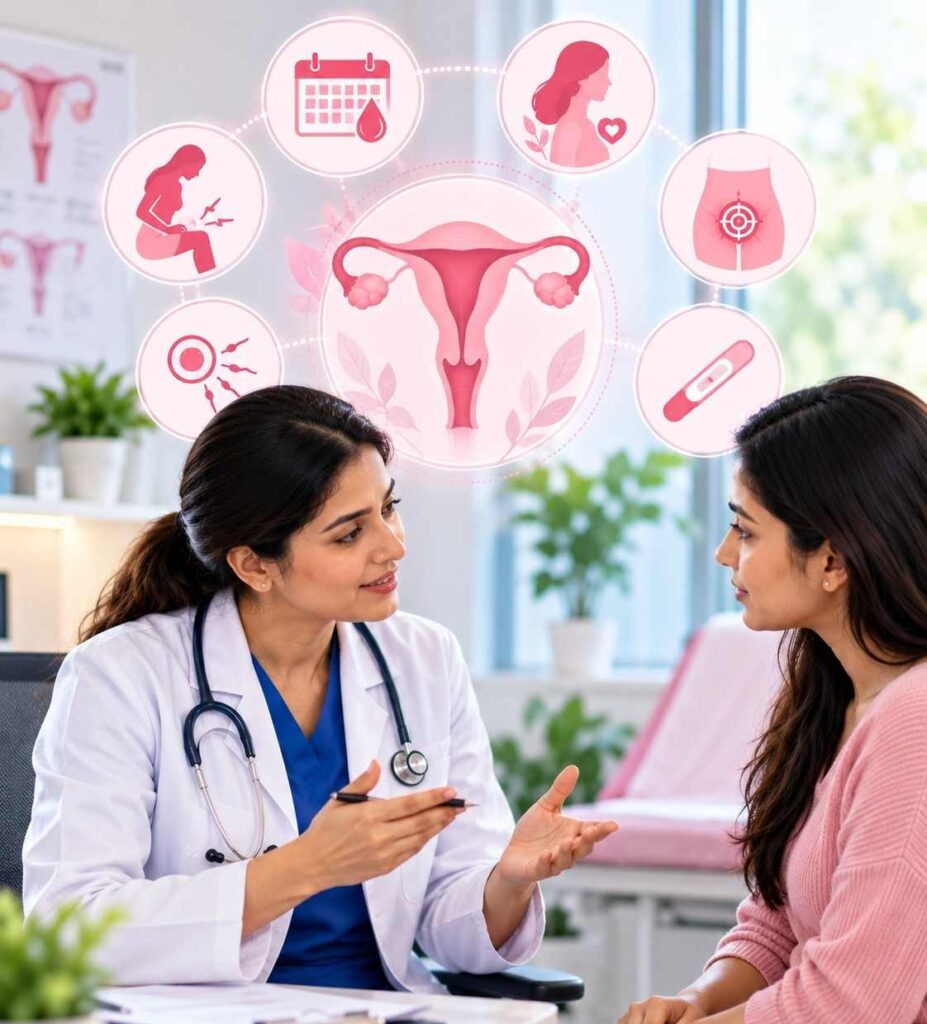
When Should You See a Gynecologist?
Consider scheduling an appointment for:
- Persistent or unusual pelvic pain
- Significant changes in periods
- Very heavy or prolonged bleeding
- Missed or irregular periods
- Unusual vaginal discharge or odor
- Pain during sex
- Fertility concerns
- Pregnancy-related questions
- Menopause symptoms
- New breast or reproductive health concerns
- Recurrent urinary or vaginal problems
Seek urgent medical attention for severe or rapidly worsening pelvic/abdominal pain, heavy bleeding, fainting, severe pregnancy-related symptoms or other symptoms that feel like an emergency.
Find the Right Women's Health Specialist
Different women's health concerns may require different types of healthcare professionals. Use this guide to understand where to start.
Gynecologist
For common reproductive and gynecological concerns.
- Reproductive health
- Menstrual problems
- Pelvic problems
- Vaginal symptoms
- Contraception
- Reproductive conditions
Obstetrician / OB-GYN
For pregnancy, childbirth and care before and after delivery.
- Pregnancy
- Prenatal care
- Childbirth
- Postpartum care
Endocrinologist
For hormone, thyroid and metabolic conditions that may affect women's health.
- PCOS with endocrine or metabolic concerns
- Thyroid disorders
- Diabetes
- Hormone disorders
Breast Specialist / Appropriate Clinician
For breast symptoms that need clinical assessment or further evaluation.
- Concerning breast changes
- Breast lumps
- Breast symptoms
Fertility Specialist
For fertility assessment, ovulation concerns and infertility care.
- Fertility evaluation
- Ovulation problems
- Infertility treatment
Explore Women's Health
Explore focused guides covering common women's health concerns, symptoms and conditions.
Women's Health FAQs
Clear answers to common questions about menstrual, reproductive, hormonal and women's health concerns.
Women's health includes reproductive, menstrual, hormonal, pregnancy, fertility, breast, pelvic, urinary and preventive healthcare.
A gynecologist can help with period changes, pelvic pain, unusual discharge, reproductive health concerns, fertility questions and other gynecological symptoms.
Possible causes include pregnancy, hormonal changes, PCOS, thyroid conditions, stress, changes in weight and other medical conditions.
Possible symptoms include irregular periods, acne, excess hair growth and fertility difficulties, although not everyone experiences the same symptoms.
PCOS can interfere with ovulation and may make becoming pregnant more difficult for some people, although pregnancy is still possible.
Gynecology focuses on reproductive health, while obstetrics focuses on pregnancy and childbirth. Some doctors practice both as OB/GYNs.
Depending on the reason for the visit, the clinician may discuss medical and menstrual history and perform relevant examinations or tests.
Perimenopause is the transition period leading up to menopause, during which menstrual cycles and hormone-related symptoms can change.
Your Health Changes. Your Care Should Keep Up.
From period problems and PCOS to pregnancy, fertility and menopause, understanding your symptoms is an important part of knowing when to seek care.