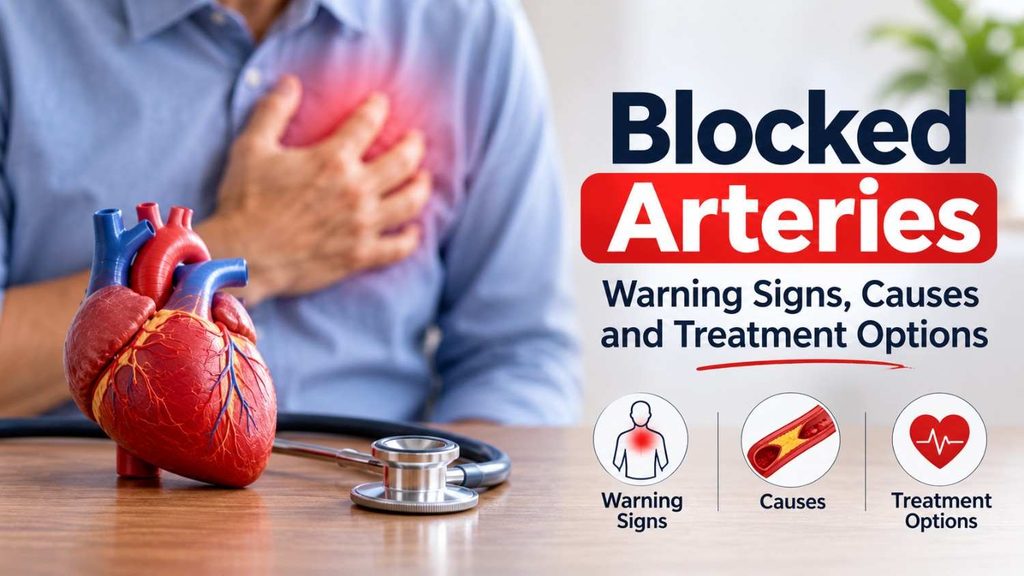
Blocked arteries are a serious health concern that can affect blood flow to the heart, brain, legs, and other parts of the body. They commonly develop when fatty deposits, cholesterol, and other substances accumulate inside artery walls, narrowing the space through which blood flows. In some cases, a blood clot can suddenly obstruct an artery, leading to a medical emergency.
The warning signs depend on which artery is affected. A blockage in a coronary artery may cause chest pain or a heart attack, while a blockage in an artery supplying the brain can cause a stroke. Reduced blood flow to the legs may lead to pain while walking, cold feet, or wounds that heal slowly. Some people have no symptoms until the blockage becomes severe.
Understanding the causes, early warning signs, diagnostic tests, and treatment options can help you recognise when medical attention is needed. This guide explains how blocked arteries develop, who is at risk, how doctors diagnose them, and what treatments may help restore blood flow and prevent complications.
What Are Blocked Arteries?
Blocked arteries are blood vessels that have become significantly narrowed or completely obstructed, reducing or stopping the flow of blood to tissues and organs.
Arteries carry oxygen-rich blood from the heart to the rest of the body. When an artery becomes narrowed, the tissues it supplies may not receive enough oxygen, particularly during physical activity when their demand for blood increases.
One of the most common causes of arterial narrowing is atherosclerosis, a condition in which plaque builds up inside artery walls. Plaque contains cholesterol, fats, inflammatory cells, and other substances. As it accumulates, it can restrict blood flow.
A blockage can also occur suddenly if plaque ruptures and a blood clot forms at the affected site. Depending on the location, this can cause a heart attack, an ischaemic stroke, or acute loss of blood flow to a limb.
Blocked arteries are not limited to the heart. They can affect different parts of the circulatory system, and the symptoms and treatment depend on the location and severity of the problem.
What Are the Different Types of Blocked Arteries?
The effects of a blocked artery depend largely on which organ or body part it supplies.
1. Blocked coronary arteries
Coronary arteries supply blood to the heart muscle. When they become narrowed, the condition is usually associated with coronary artery disease (CAD). It can cause chest discomfort during activity and may lead to a heart attack if blood flow becomes critically reduced or suddenly blocked.
Learn more about coronary artery disease.
2. Blocked carotid arteries
The carotid arteries run through the neck and supply blood to the brain. Plaque buildup can increase the risk of an ischaemic stroke, particularly if a clot forms or plaque material travels to a brain artery. Carotid artery disease may cause no symptoms until a transient ischaemic attack (TIA) or stroke occurs.
3. Blocked arteries in the legs
Narrowing of arteries supplying the legs is commonly associated with peripheral artery disease (PAD). It may cause calf or thigh pain while walking, cold feet, reduced pulses, or wounds that do not heal. Severe cases can threaten the affected limb.
4. Blockages in other arteries
Atherosclerosis can also affect arteries supplying the kidneys and intestines. Depending on the location, it may contribute to difficult-to-control high blood pressure, impaired kidney function, or abdominal pain after eating.
A person can have arterial disease in more than one location. For example, someone with coronary artery disease may also have peripheral artery disease because both can result from atherosclerosis.
What Are the Warning Signs of Blocked Arteries?
There is no single symptom that identifies every blocked artery. Some blockages develop gradually and cause symptoms during activity, while others cause sudden and severe symptoms.
1. Chest pain or pressure
A narrowed coronary artery may not deliver enough oxygen to the heart muscle during exercise or emotional stress. This can cause angina, often described as pressure, tightness, heaviness, squeezing, or discomfort in the chest.
The discomfort may spread to the arms, shoulders, back, neck, jaw, or upper abdomen. It may improve with rest if it is stable angina, but new, worsening, or persistent chest discomfort can indicate a heart attack or another emergency.
Read more about angina and its warning signs.
2. Shortness of breath
Breathlessness during routine activities or physical exertion can sometimes indicate that the heart is not receiving enough blood or is struggling to pump effectively.
However, shortness of breath has many possible causes, including lung disease, anaemia, and heart failure. It should not automatically be attributed to blocked arteries without medical assessment.
3. Pain in the legs while walking
Peripheral artery disease can cause a pattern of muscle pain or cramping during walking that improves after resting. This is called intermittent claudication.
The discomfort commonly affects the calves but can also involve the thighs or buttocks, depending on where blood flow is reduced.
4. Coldness, numbness, or weakness in a limb
Reduced blood flow may cause one foot or leg to feel colder than the other. Some people also notice colour changes, reduced hair growth, or weakness in the affected limb.
Sudden coldness accompanied by severe pain, numbness, or weakness may indicate acute limb ischaemia, which requires emergency treatment.
5. Wounds that heal slowly
Poor circulation can interfere with the delivery of oxygen and nutrients needed for tissue repair. Sores on the feet, toes, or legs that heal slowly or do not heal may be a sign of significant peripheral artery disease, particularly in people with diabetes.
6. Sudden neurological symptoms
A blocked artery supplying the brain can cause a transient ischaemic attack or stroke. Warning signs include:
- Sudden weakness or numbness of the face, arm, or leg, particularly on one side.
- Difficulty speaking or understanding speech.
- Sudden loss of vision or blurred vision.
- Sudden loss of balance, coordination, or difficulty walking.
- A sudden, severe headache, particularly when accompanied by other neurological symptoms.
Even if these symptoms disappear within minutes, they require urgent medical assessment.
7. No obvious symptoms
Some people have significant arterial narrowing without noticeable symptoms. A person may feel well until the affected organ needs more blood or a clot suddenly blocks the vessel.
This is why managing cardiovascular risk factors and attending appropriate medical check-ups are important, especially for people with diabetes, high blood pressure, high cholesterol, or a history of smoking.
Important: Symptoms alone cannot confirm whether an artery is blocked. If you experience chest pain, stroke symptoms, or sudden severe limb pain with coldness or numbness, seek emergency medical care immediately. Do not wait for a routine appointment. mohfw.gov.in+2
What Causes Blocked Arteries?
The most common underlying cause of chronic arterial narrowing is atherosclerosis. It develops gradually as plaque accumulates inside artery walls, although the speed and severity of progression vary between individuals.
Several factors can contribute to this process.
1. High cholesterol
Excess levels of LDL cholesterol can contribute to plaque formation inside artery walls. Over time, plaque may narrow the vessel and restrict blood flow. High cholesterol usually causes no symptoms on its own, so blood testing is important for assessing risk.
2. High blood pressure
Persistent high blood pressure places stress on artery walls and contributes to cardiovascular damage. It also increases the risk of heart attack, stroke, and other complications associated with arterial disease.
Read our guide to hypertension and high blood pressure.
3. Smoking and tobacco use
Smoking damages blood vessels, promotes inflammation, and increases the tendency of blood to clot. It is a major modifiable risk factor for coronary artery disease and peripheral artery disease.
Quitting smoking is one of the most important steps a person can take to improve cardiovascular health.
4. Diabetes
High blood glucose over time can damage blood vessels and accelerate atherosclerosis. People with diabetes are at increased risk of coronary artery disease, stroke, and peripheral artery disease.
Diabetes may also affect nerve function, meaning that some people with poor circulation may not notice foot injuries or other warning signs promptly.
5. Obesity and physical inactivity
Excess body weight and insufficient physical activity can contribute to high blood pressure, abnormal cholesterol levels, insulin resistance, and diabetes. These factors can collectively increase the risk of arterial disease.
6. Unhealthy dietary patterns
A diet consistently high in saturated fats, trans fats, excess sodium, and highly processed foods can contribute to cardiovascular risk, particularly when it leads to elevated LDL cholesterol, high blood pressure, or excess weight.
A balanced diet that includes vegetables, fruits, whole grains, legumes, nuts, and suitable sources of protein can support heart health.
7. Family history and ageing
The risk of atherosclerosis generally increases with age. A family history of premature cardiovascular disease may also indicate a higher inherited risk.
Even people who eat well and exercise regularly can develop arterial disease, so family history and other medical risk factors should not be overlooked.
8. Chronic kidney disease and inflammation
Chronic kidney disease is associated with an increased risk of cardiovascular complications. Certain chronic inflammatory conditions can also contribute to vascular risk.
Managing underlying conditions and reviewing overall cardiovascular risk with a clinician can help guide prevention and treatment. aam.mohfw.gov.in+2
Who Is at Higher Risk of Blocked Arteries?
Some people are more likely to develop arterial narrowing because of their medical history, lifestyle, or inherited susceptibility.
You may have a higher risk if you:
- Have high LDL cholesterol or high blood pressure.
- Have diabetes or chronic kidney disease.
- Smoke or use tobacco products.
- Have overweight or obesity, particularly alongside other cardiovascular risk factors.
- Have a family history of early heart disease or stroke.
- Are older or have previously been diagnosed with cardiovascular disease.
- Have already been diagnosed with coronary artery disease or peripheral artery disease.
Having several risk factors together can increase overall risk. For example, a person with diabetes, hypertension, and high cholesterol may need more intensive risk assessment than someone with only one risk factor.
A clinician can assess your personal risk and recommend appropriate tests, lifestyle changes, and preventive treatment.
How Are Blocked Arteries Diagnosed?
The tests used to identify blocked arteries depend on the symptoms, the suspected location of the blockage, and the patient’s medical history. There is no single test that is appropriate for every person.
1. Medical history and physical examination
Your doctor may ask about chest discomfort, breathlessness, leg pain while walking, smoking, diabetes, and family history.
The examination may include checking blood pressure, pulses, skin temperature, and signs of reduced circulation. In some cases, the doctor may listen for abnormal sounds over an artery.
2. Blood tests
Blood tests can measure cholesterol levels, blood glucose, kidney function, and other factors that help assess cardiovascular risk and plan treatment.
However, blood tests alone cannot establish whether a specific artery is blocked.
3. Electrocardiogram (ECG)
An ECG records the electrical activity of the heart. It may help identify signs of a heart attack or certain other heart abnormalities.
An ECG does not directly show the inside of coronary arteries, and a normal ECG does not rule out coronary artery disease.
Learn more about the ECG test.
4. Ankle-brachial index (ABI)
The ankle-brachial index compares blood pressure measured at the ankle with blood pressure measured at the arm.
It is commonly used to help detect peripheral artery disease in the legs. Additional vascular tests may be needed when the result is uncertain or symptoms persist.
5. Doppler ultrasound
Doppler ultrasound uses sound waves to assess blood flow through blood vessels. Depending on the examination, it can help identify narrowing, obstruction, or abnormal blood flow in certain arteries.
It may be used to evaluate carotid arteries, leg arteries, and other accessible blood vessels.
6. CT angiography or MR angiography
These imaging tests create detailed pictures of blood vessels and may help identify the location and extent of arterial narrowing.
The choice depends on the suspected condition, kidney function, possible contrast-related risks, and other clinical considerations.
7. Coronary angiography
When coronary artery disease requires more detailed assessment, a cardiologist may recommend coronary angiography. A contrast dye is introduced through a catheter, and X-ray images are used to visualise the coronary arteries.
This procedure can help identify significant blockages and guide decisions about angioplasty, stenting, or other treatment.
8. Echocardiography and other heart tests
An echocardiogram uses ultrasound to assess the heart’s structure and pumping function. It may help evaluate the effects of cardiovascular disease, although it does not directly visualise all coronary artery blockages.
Other tests, including stress testing or specialised cardiac imaging, may be recommended depending on the patient’s circumstances.
The right diagnostic pathway is individualised. A person with sudden chest pain may need immediate emergency evaluation, while someone with gradual leg discomfort may undergo a planned vascular assessment. clinicalestablishments.mohfw.gov.in+1
What Are the Treatment Options for Blocked Arteries?
Treatment aims to improve blood flow where necessary, relieve symptoms, prevent a heart attack or stroke, and reduce the risk of further cardiovascular damage.
The appropriate approach depends on the artery involved, the severity of the blockage, symptoms, and the patient’s overall health. Not every blocked artery requires a procedure.
1. Lifestyle changes
Lifestyle changes are an important part of treating atherosclerosis and reducing future cardiovascular risk.
Doctors may recommend:
- Stopping smoking and avoiding tobacco.
- Following a heart-healthy dietary pattern.
- Engaging in regular physical activity appropriate to your condition.
- Managing weight where needed.
- Controlling blood pressure, blood glucose, and cholesterol.
- Attending follow-up appointments and taking prescribed medicines consistently.
Lifestyle changes support medical treatment but cannot reliably reopen a severely blocked artery on their own.
2. Medications
Depending on the diagnosis, medications may be prescribed to lower cholesterol, control blood pressure, manage diabetes, or reduce the risk of blood clots.
Statins: These medicines lower LDL cholesterol and help reduce cardiovascular risk. They may also help stabilise atherosclerotic plaque.
Antiplatelet medicines: Medicines such as aspirin or clopidogrel may be recommended for certain patients with established cardiovascular disease or following specific procedures. They are not appropriate for everyone, because they can increase bleeding risk.
Blood pressure medicines: These help control hypertension and reduce strain on the cardiovascular system.
Other medicines: Depending on the condition, treatment may include medicines for angina, diabetes, or other associated medical problems.
Do not start aspirin, blood thinners, or cholesterol-lowering medicines without appropriate medical advice. The right treatment depends on your diagnosis and individual risks.
3. Angioplasty and stenting
Angioplasty is a minimally invasive procedure used to open certain narrowed or blocked arteries. A catheter with a small balloon is guided to the affected area, and the balloon is inflated to widen the vessel.
A stent, which is a small mesh tube, may be placed to help keep the artery open.
Coronary angioplasty is commonly used in selected patients with heart attacks or significant coronary artery disease. Angioplasty can also be performed in certain other arteries, including some arteries supplying the legs.
The benefits and risks vary according to the location and severity of the blockage.
4. Coronary artery bypass grafting (CABG)
Coronary artery bypass surgery creates an alternative route for blood to flow around one or more blocked coronary arteries.
A surgeon uses a blood vessel taken from another part of the body to bypass the affected section. This may be recommended for selected patients with complex coronary artery disease, particularly when several major arteries are affected or when other clinical factors make surgery the preferred option.
Bypass surgery is not required for every coronary blockage. The decision is based on coronary anatomy, symptoms, heart function, and the expected benefits of different treatments.
5. Carotid artery procedures
Some people with significant carotid artery narrowing may benefit from carotid endarterectomy, a procedure that removes plaque from the artery.
In selected cases, carotid artery stenting may be considered. The choice depends on the degree of narrowing, whether the patient has experienced stroke-like symptoms, anatomy, and procedural risks.
These decisions require specialist assessment because both treatment and observation can carry risks in different circumstances.
6. Treatment for peripheral artery disease
For people with blocked leg arteries, treatment may include smoking cessation, medication, and a structured walking programme when appropriate.
If symptoms are severe, wounds fail to heal, or blood flow is critically reduced, an intervention may be necessary. Options include angioplasty, stenting, or bypass surgery, depending on the location and severity of the disease.
Sudden loss of blood flow to a limb requires emergency treatment.
7. Emergency treatment for an acute blockage
A sudden blockage can cause a heart attack, stroke, or acute limb ischaemia. These conditions require urgent medical assessment and time-sensitive treatment.
For a heart attack caused by a blocked coronary artery, emergency treatment may include coronary angioplasty and stenting when appropriate. Some patients may require other treatments depending on the circumstances.
Do not attempt to treat a suspected heart attack at home or wait to see whether the symptoms disappear. Call emergency services immediately. clinicalestablishments.mohfw.gov.in+1
Can Blocked Arteries Be Reversed Naturally?
This is a common question, particularly among people who want to avoid procedures or long-term medication.
The answer depends on the severity of the disease and what is meant by reversed.
Healthy lifestyle changes and appropriate medications can lower cardiovascular risk, improve cholesterol levels, and sometimes help stabilise plaque. In selected circumstances, intensive cholesterol-lowering treatment can produce a modest reduction in plaque burden.
However, there is no reliable evidence that a particular food, drink, supplement, detox programme, or home remedy can quickly clear a severely blocked artery.
If an artery is significantly narrowed or a blockage is causing dangerous symptoms, delaying recommended treatment in favour of home remedies can be harmful.
A heart-healthy diet and physical activity remain valuable, but they should complement—not replace—medical assessment and prescribed treatment.
How Can You Prevent Blocked Arteries?
Although not all arterial disease is preventable, addressing modifiable risk factors can substantially improve cardiovascular health.
Eat a balanced, heart-healthy diet
Include vegetables, fruits, whole grains, beans, lentils, nuts, and suitable sources of protein. Choose unsaturated fats more often than saturated fats, and limit trans fats, excess salt, and heavily processed foods.
For personalised dietary guidance, consider your cholesterol levels, diabetes status, blood pressure, and other medical needs.
Exercise regularly
Regular physical activity supports healthy blood pressure, cholesterol, blood glucose, and weight.
For many adults, a common goal is at least 150 minutes of moderate-intensity aerobic activity per week, along with muscle-strengthening activities on two or more days, if medically appropriate.
People with chest pain, severe breathlessness, or significant peripheral artery disease should ask their healthcare professional how to exercise safely.
Stop smoking
Smoking cessation is one of the most effective steps for reducing cardiovascular risk. If you need support, ask a healthcare professional about suitable cessation programmes or treatments.
Monitor blood pressure and cholesterol
High blood pressure and elevated LDL cholesterol can remain unnoticed for years. Appropriate screening helps identify these risk factors before serious complications develop.
Your doctor can advise how frequently you need testing based on your age, health, and medical history.
Manage diabetes
If you have diabetes, follow your prescribed treatment plan and attend recommended check-ups. Blood glucose management is important for reducing vascular complications.
Maintain a healthy weight and sleep routine
Sustainable weight management and sufficient sleep support overall metabolic and cardiovascular health. If you have loud snoring or symptoms of sleep apnoea, discuss them with your clinician.
Take prescribed medication consistently
Do not stop cardiovascular medication because you feel well or because a cholesterol or blood pressure reading has improved. Discuss any side effects or concerns with your healthcare professional before making changes.
For more information about cardiovascular risk factors and prevention, you can consult the Government of India’s Ministry of Health and Family Welfare guidance on cardiovascular disease.
When Should You See a Cardiologist?
You should arrange a medical assessment if you experience unexplained chest discomfort during activity, recurrent breathlessness, leg pain while walking, or wounds that heal slowly.
A cardiologist can evaluate suspected coronary artery disease, assess cardiovascular risk, and recommend appropriate investigations and treatment. If the suspected blockage affects the carotid arteries or the circulation in the legs, a vascular specialist may also be involved.
You can explore the cardiologist services available through Ghaziabad Clinic to learn more about specialist care.
If you need an assessment, you can also visit the Ghaziabad Clinic appointment page.
Seek emergency care rather than booking a routine consultation if you have symptoms of a heart attack, stroke, or sudden severe loss of blood flow to a limb.
Frequently Asked Questions About Blocked Arteries
1. What are the first signs of blocked arteries?
Early signs depend on the location. Coronary artery narrowing may cause chest discomfort or breathlessness during activity, while peripheral artery disease may cause leg pain when walking. Some people have no symptoms until the condition becomes severe.
2. Can blocked arteries cause a heart attack?
Yes. A heart attack can occur when blood flow through a coronary artery is suddenly reduced or stopped, often because a blood clot forms at a site of plaque disruption. This deprives part of the heart muscle of oxygen.
3. Can you have blocked arteries without symptoms?
Yes. Arterial narrowing can develop silently. Some people experience no warning signs until blood flow becomes insufficient or a sudden clot causes a serious complication.
4. How do doctors check for blocked arteries?
The tests depend on the affected artery. They may include blood tests, an ECG, an ankle-brachial index, Doppler ultrasound, CT angiography, or coronary angiography. Not everyone needs all these tests.
5. Can exercise clear blocked arteries?
Exercise does not directly remove a severe arterial blockage. However, regular physical activity can improve cardiovascular health and help manage several risk factors. Some people with peripheral artery disease benefit from supervised or structured walking programmes.
6. What foods should I avoid if I have blocked arteries?
There is no single food that causes or cures arterial blockages. A heart-healthy eating pattern generally limits trans fats, excess saturated fats, excessive sodium, and heavily processed foods while emphasising vegetables, fruits, whole grains, legumes, and healthier fats.
7. Can medication remove plaque from arteries?
Some cholesterol-lowering treatments can stabilise plaque and, in selected circumstances, modestly reduce plaque burden. Medicines also reduce the risk of cardiovascular events. They do not reliably eliminate every blockage, and some patients need an intervention.
8. Is angioplasty better than bypass surgery?
Neither procedure is universally better. Angioplasty and stenting may be suitable for certain blockages, while bypass surgery may offer advantages in selected patients with complex coronary disease. A specialist considers the anatomy, symptoms, heart function, and individual risks before recommending treatment.
9. Which doctor treats blocked arteries?
A cardiologist commonly assesses blocked coronary arteries. Depending on the location, a vascular specialist or another specialist may be needed for blockages affecting the carotid arteries, legs, or other blood vessels.
10. When should blocked arteries be treated as an emergency?
Call emergency services if you experience persistent or severe chest pressure, chest discomfort with sweating or breathlessness, sudden facial drooping or weakness, difficulty speaking, or sudden severe limb pain with coldness or numbness. Do not wait for a routine appointment.
Conclusion
Blocked arteries can affect the heart, brain, legs, and other organs, sometimes without obvious symptoms. Atherosclerosis is a major cause, and risk factors such as high cholesterol, hypertension, diabetes, smoking, and family history can contribute to its development.
Early assessment, appropriate diagnostic testing, lifestyle changes, and prescribed medication can help reduce cardiovascular risk. Depending on the location and severity of the blockage, angioplasty, stenting, or bypass surgery may be necessary.
The most important step is to recognise warning signs and seek the right level of medical care. If you have persistent symptoms or several cardiovascular risk factors, arrange an assessment with a qualified healthcare professional. If you suspect a heart attack, stroke, or acute limb blockage, seek emergency care immediately.