
Blood & Vascular Health: Conditions, Symptoms, Tests & Care
Your blood vessels carry oxygen and nutrients throughout your body and help maintain healthy circulation. Learn about common blood and vascular conditions, warning signs, blood clots, circulation problems, diagnostic tests and treatment options.
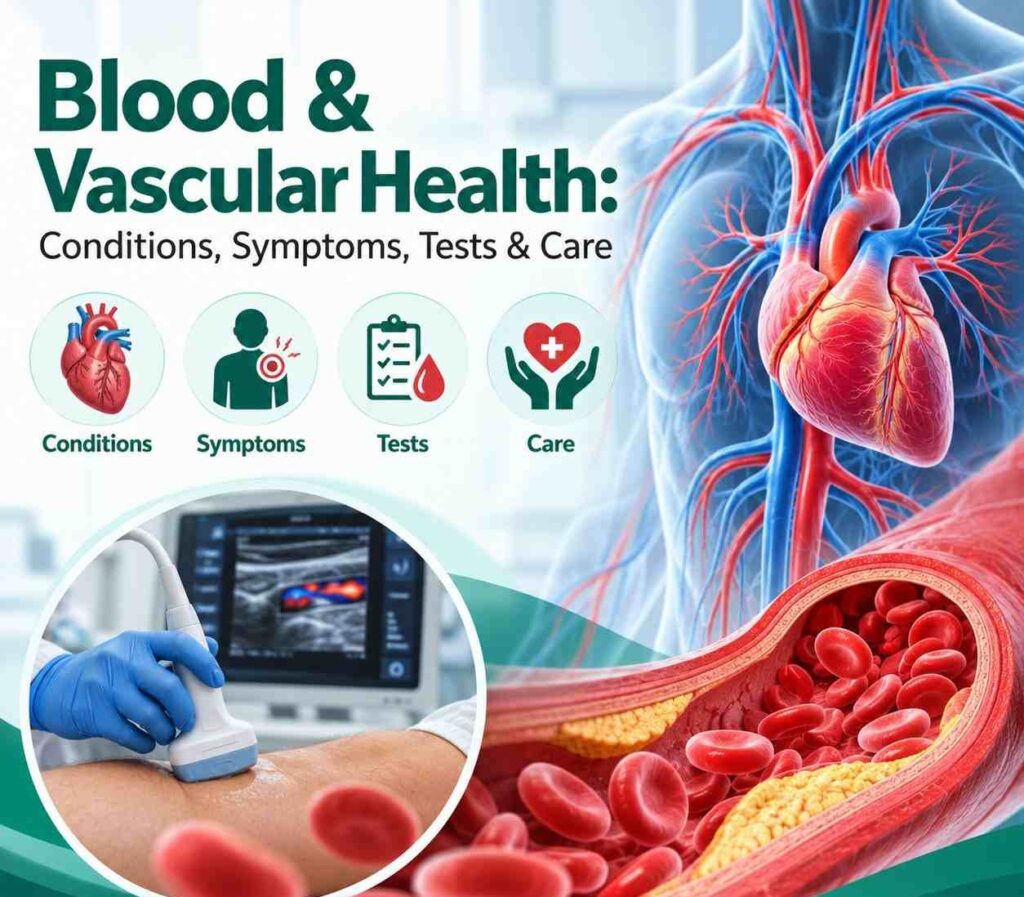
What Is Blood & Vascular Health?
Blood and vascular health includes the health of your blood, arteries, veins and circulation. Problems can affect blood flow, clotting or the structure of blood vessels and may involve conditions such as deep vein thrombosis, peripheral artery disease, varicose veins and other vascular disorders.
Blood & Vascular Health at a Glance
| Area | What it includes |
|---|---|
| Blood | Clotting, bleeding and blood-related disorders |
| Arteries | Blood vessels carrying blood away from the heart |
| Veins | Blood vessels returning blood toward the heart |
| Circulation | Movement of blood throughout the body |
| Blood clots | Conditions such as DVT and pulmonary embolism |
| Vascular disease | Conditions affecting arteries and veins |
| Diagnosis | Blood tests, Doppler ultrasound and vascular imaging |
| Care | Lifestyle management, medicines and procedures depending on the condition |
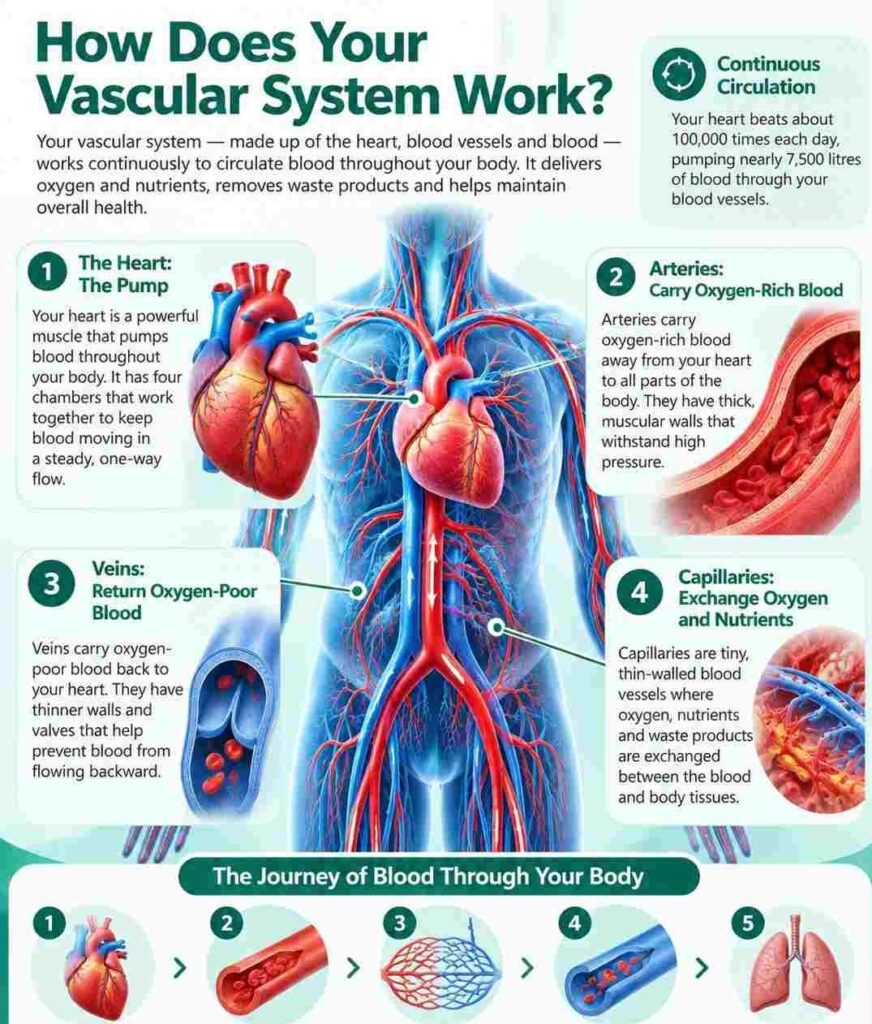
How Does Your Vascular System Work?
Heart → Arteries → Body → Veins → Heart
Arteries
Carry blood away from the heart.
Veins
Return blood toward the heart.
Capillaries
Connect the smallest arteries and veins and allow exchange between blood and tissues.
Blood
Carries oxygen, nutrients, hormones and other substances throughout the body.
What Vascular Symptom Are You Experiencing?
Leg Swelling
Possible causes include venous problems, DVT, injury and other conditions.
Explore Leg Swelling →
Leg Pain
Pain can have many causes, including muscle, nerve, arterial or venous problems.
Explore Leg Pain→
Warmth or Redness
Can occur with inflammation or some vascular conditions.
Explore Warmth or Redness→
Cold Feet or Legs
May sometimes be associated with reduced arterial blood flow.
Heavy or Aching Legs
Can occur with certain venous conditions.
Visible or Enlarged Veins
May occur with varicose veins or other venous conditions.
Pain While Walking
Pain that consistently develops with walking and improves with rest can sometimes occur with peripheral artery disease.
Slow-Healing Wounds
Certain circulation problems can contribute to delayed healing.

These symptoms can have many causes and do not by themselves diagnose a vascular condition.
When Should You Seek Urgent Medical Care?
Possible Pulmonary Embolism
- sudden shortness of breath
- chest pain
- coughing blood
- fainting
- severe lightheadedness
Possible Acute Circulation Problem
- sudden severe limb pain
- sudden cold or pale limb
- sudden numbness or weakness
- sudden loss of movement
Possible Stroke
- sudden facial weakness
- sudden arm/leg weakness
- difficulty speaking
- sudden vision problems
- sudden confusion
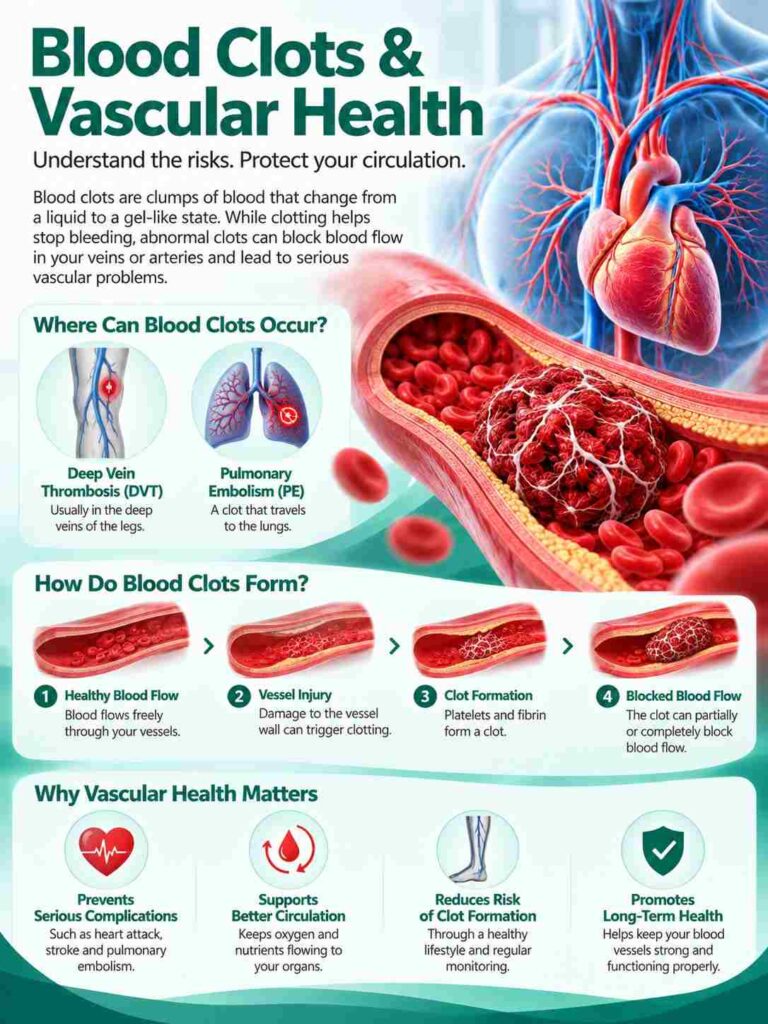
Blood Clots & Vascular Health
Blood clots are part of the body’s normal response to injury, but a clot that forms inside a blood vessel without an appropriate reason or does not dissolve normally can cause serious problems.
Deep Vein Thrombosis
Blood clot in a deep vein.
Learn About DVT →
Pulmonary Embolism
A clot that blocks blood flow in the lungs, often after traveling from a DVT.
Learn About Pulmonary Embolism →
Blood Clot Risk
- surgery
- immobility
- cancer
- pregnancy
- previous DVT
- certain medications
- inherited clotting disorders
Common Blood & Vascular Conditions
Blood and vascular conditions can affect blood clotting, veins, arteries and circulation. They can be grouped into several major categories.
Deep Vein Thrombosis (DVT)
Deep vein thrombosis occurs when a blood clot forms in a deep vein, usually in the leg. It can cause swelling, pain, tenderness, warmth or discoloration, although some people have no noticeable symptoms.
Arteries vs Veins: What's the Difference?
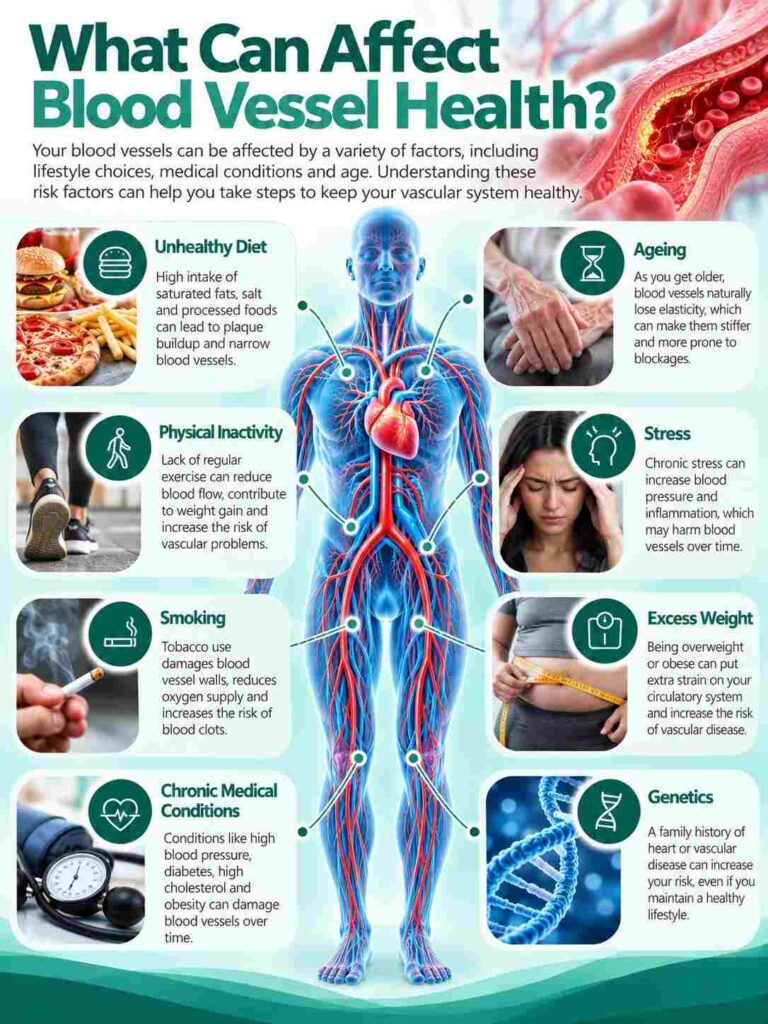
What Can Affect Blood Vessel Health?
Cardiovascular Risk
- high blood pressure
- high cholesterol
- diabetes
- smoking
- obesity
- physical inactivity
Clot Risk
- prolonged immobility
- surgery
- hospitalization
- cancer
- pregnancy
- previous clot
Other Factors
- age
- family history
- certain medications
- inherited conditions
How Are Vascular Conditions Treated?
Lifestyle & Risk-Factor Management
- physical activity
- smoking cessation
- healthy diet
- blood pressure control
- cholesterol management
- diabetes management
Medicines
Depending on diagnosis:
- anticoagulants
- antiplatelet medicines
- cholesterol-lowering medicines
- blood-pressure medicines
- other condition-specific medicines
Procedures
Depending on the condition:
- angioplasty
- stent placement
- thrombectomy
- vascular surgery
- other minimally invasive procedures
How Can Diabetes Affect Blood Vessels?
Diabetes can affect blood vessels and is an important cardiovascular risk factor. Long-term blood sugar management, along with control of blood pressure and cholesterol, can help reduce cardiovascular risk.
Diabetes →
Diabetes & Endocrine Health →

How Does High Blood Pressure Affect Blood Vessels?
Persistently high blood pressure can place stress on blood vessel walls and is an important risk factor for cardiovascular disease.
How Can You Support Vascular Health?
These habits can support cardiovascular and vascular health and help manage important risk factors.
Stay Physically Active
Regular physical activity can support circulation and cardiovascular fitness. Choose activities that are appropriate for your health and fitness level.
Don't Smoke
Avoiding tobacco can help protect blood vessels and reduce important cardiovascular risk factors.
Manage Blood Pressure
Keep track of your blood pressure and follow your healthcare professional's recommendations for managing high blood pressure.
Manage Cholesterol
Healthy lifestyle choices and recommended treatment can help manage cholesterol levels and support vascular health.
Manage Diabetes
Keeping blood glucose under appropriate control can help reduce the risk of blood vessel complications over time.
Maintain a Healthy Weight
Maintaining a healthy weight can support cardiovascular health and help manage conditions such as high blood pressure and diabetes.
Avoid Prolonged Immobility
During long periods of sitting or limited movement, follow appropriate movement and activity recommendations to support circulation.
Follow Recommended Medical Care
Take prescribed medicines as directed, attend recommended follow-ups and discuss new or persistent symptoms with your healthcare professional.
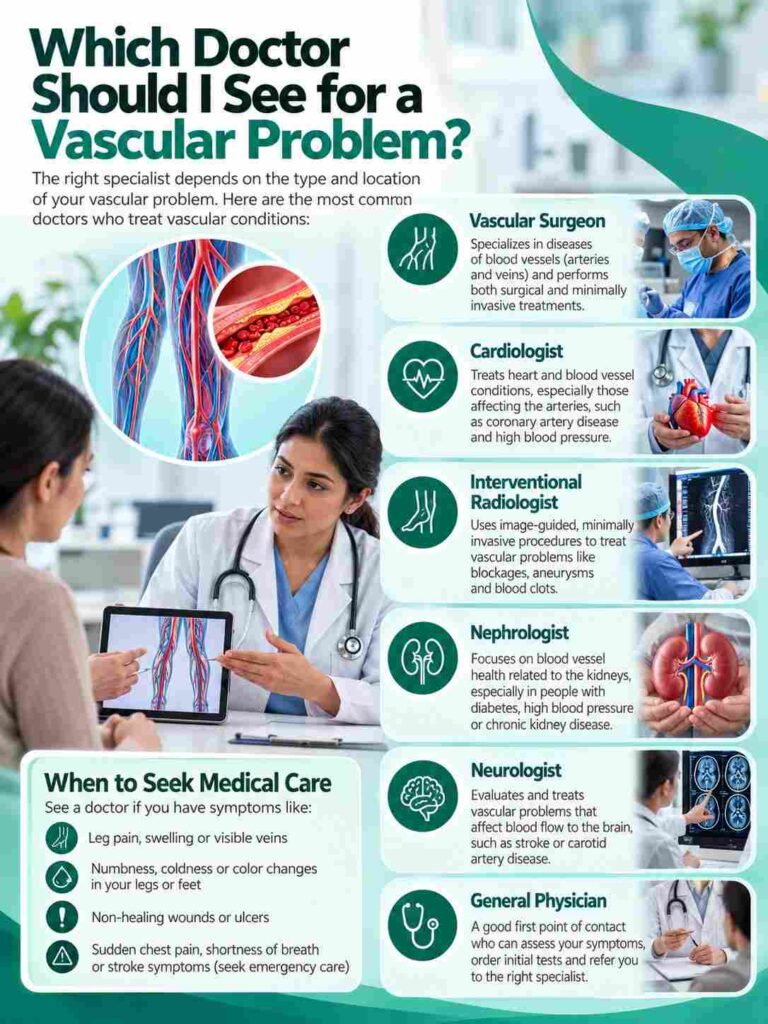
Which Doctor Should I See for a Vascular Problem?
General Physician
Useful starting point when symptoms are unclear.
Vascular Specialist
For diseases involving arteries and veins.
Cardiologist
For cardiovascular conditions and some vascular problems.
Hematologist
For certain blood-clotting or bleeding disorders.
Other Specialists
Depending on the condition, care may involve:
- neurologist
- nephrologist
- endocrinologist
- gynecologist/obstetrician
- oncologist
Explore Related Health Topics
Frequently Asked Questions
Find clear answers to common questions about blood vessels, circulation, blood clots and vascular conditions.
What is vascular health?
Vascular health refers to the health and function of your blood vessels, including arteries and veins. Healthy blood vessels help transport blood, oxygen and nutrients throughout the body and return blood toward the heart.
What are common vascular diseases?
Common vascular conditions include peripheral artery disease (PAD), atherosclerosis, carotid artery disease, varicose veins, chronic venous insufficiency, venous ulcers, deep vein thrombosis (DVT) and pulmonary embolism (PE).
What are the symptoms of poor circulation?
Symptoms can vary depending on the affected blood vessels. They may include leg pain or cramping with activity, swelling, heaviness, coldness, skin colour changes, numbness or slow-healing wounds. Persistent or concerning symptoms should be medically evaluated.
What is a blood clot?
A blood clot is a collection of blood that has changed from a liquid to a more solid state. Clotting is an important part of stopping bleeding, but a clot that forms inside a blood vessel can sometimes block blood flow and cause serious problems.
What is DVT?
Deep vein thrombosis (DVT) is a blood clot that forms in a deep vein, most commonly in the leg. DVT can sometimes cause swelling, pain, warmth or skin colour changes, but some people have no noticeable symptoms.
What is the difference between DVT and pulmonary embolism?
DVT is a blood clot that forms in a deep vein, usually in the leg. A pulmonary embolism (PE) occurs when part of a clot travels through the bloodstream to the lungs and blocks a blood vessel there. PE can be a medical emergency.
What causes blood clots?
Blood clots can develop when blood flow is reduced or when the body's clotting system is affected. Risk can increase with prolonged immobility, surgery, certain medical conditions, pregnancy, some cancers, hormone-related factors and other individual risk factors.
How are vascular problems diagnosed?
Diagnosis usually begins with a medical history and physical examination. Depending on the suspected condition, tests may include blood tests, Doppler or duplex ultrasound, ankle-brachial index (ABI), CT or MR angiography and other vascular imaging.
What is a Doppler ultrasound?
A Doppler ultrasound uses sound waves to assess blood flow through blood vessels. It can help healthcare professionals evaluate blood flow in arteries and veins and identify certain circulation problems.
Can diabetes affect blood vessels?
Yes. Diabetes can affect blood vessels over time, particularly when blood glucose levels are not well controlled. It can increase the risk of cardiovascular and vascular complications, including problems affecting circulation.
Can high blood pressure damage blood vessels?
Yes. Long-term high blood pressure can place increased stress on blood vessel walls and contribute to vascular and cardiovascular problems. Managing blood pressure is an important part of protecting vascular health.
Which doctor treats vascular conditions?
The appropriate specialist depends on the condition. A vascular surgeon may evaluate diseases affecting arteries and veins, while other specialists such as cardiologists, hematologists or general physicians may be involved depending on the symptoms, diagnosis and treatment needs.