Heart Disease: Symptoms, Causes, Types & Treatment
Heart disease refers to a group of conditions that affect the heart and its ability to work properly. Understanding the warning signs, risk factors, and available treatment options can help you seek medical care at the right time.

Overview
Symptoms
Causes
Risks
Diagnosis
Treatment
Prevention & Heart Health
When to See a Doctor
FAQ
What Is Heart Disease?
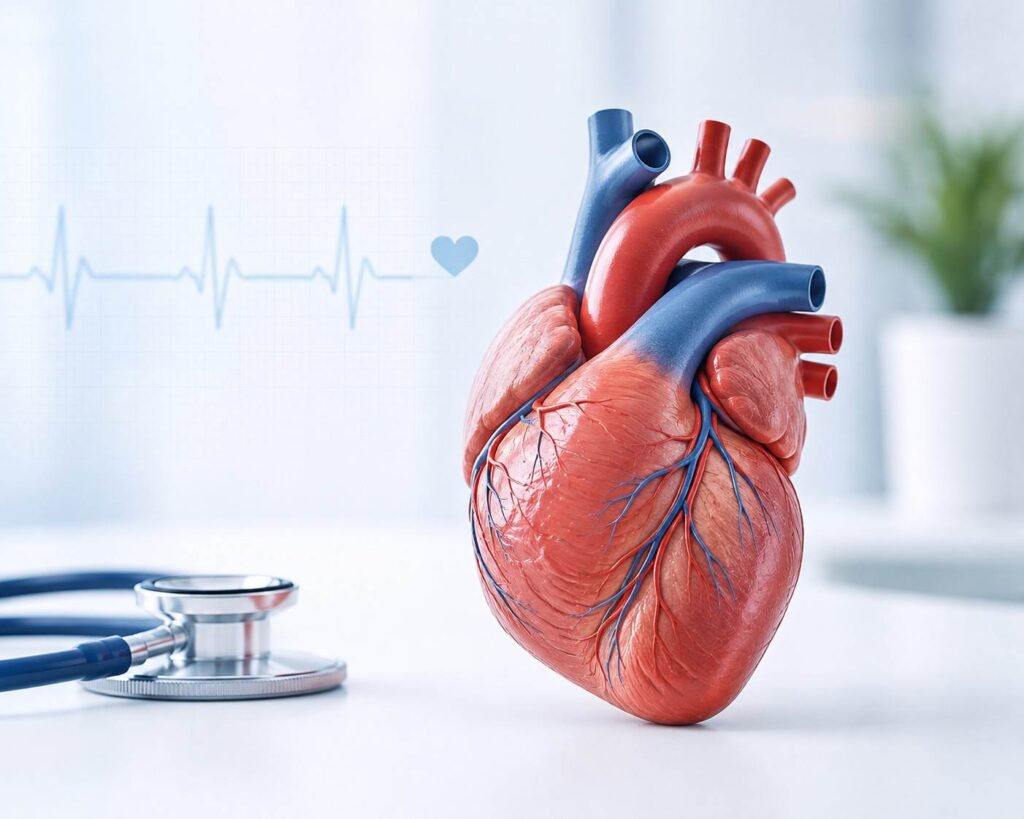
Heart disease refers to a group of conditions that affect the heart and its ability to work properly. These conditions can affect the heart’s blood vessels, muscles, valves, or electrical rhythm.
Common types include coronary artery disease, arrhythmias, heart valve disease, heart failure, and cardiomyopathy. Risk factors such as high blood pressure, high cholesterol, diabetes, smoking, physical inactivity, and family history can increase the risk of developing certain heart conditions.
Recognizing symptoms and understanding your risk can help you seek medical care at the right time.
Symptoms of Heart Disease
Symptoms can vary depending on the type of heart condition. Some people may have noticeable warning signs, while others may have few or no symptoms until the condition becomes more serious
Chest Pain or Pressure
Discomfort, pressure, heaviness, squeezing or pain in the chest.
Shortness of Breath
Difficulty breathing during activity or sometimes even at rest.
Irregular Heartbeat
Fluttering, racing, pounding or skipped heartbeats.
Dizziness or Fainting
Feeling lightheaded, weak or losing consciousness.
Unusual Fatigue
Persistent tiredness or weakness that isn’t typical for you.
Swelling
Swelling in the feet, ankles or legs can occur with some heart conditions.
When Chest Pain May Be an Emergency
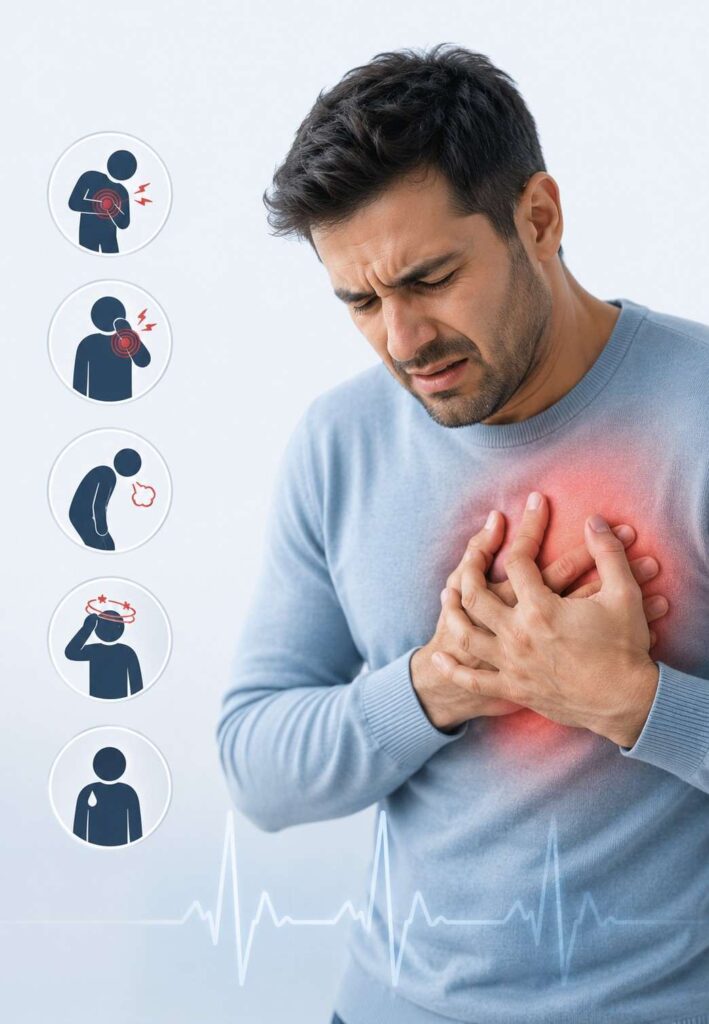
Sudden or severe chest pressure or pain, especially when accompanied by shortness of breath, sweating, nausea, dizziness, or pain spreading to the arm, back, neck or jaw, can be a sign of a heart attack.
Types of Heart Disease
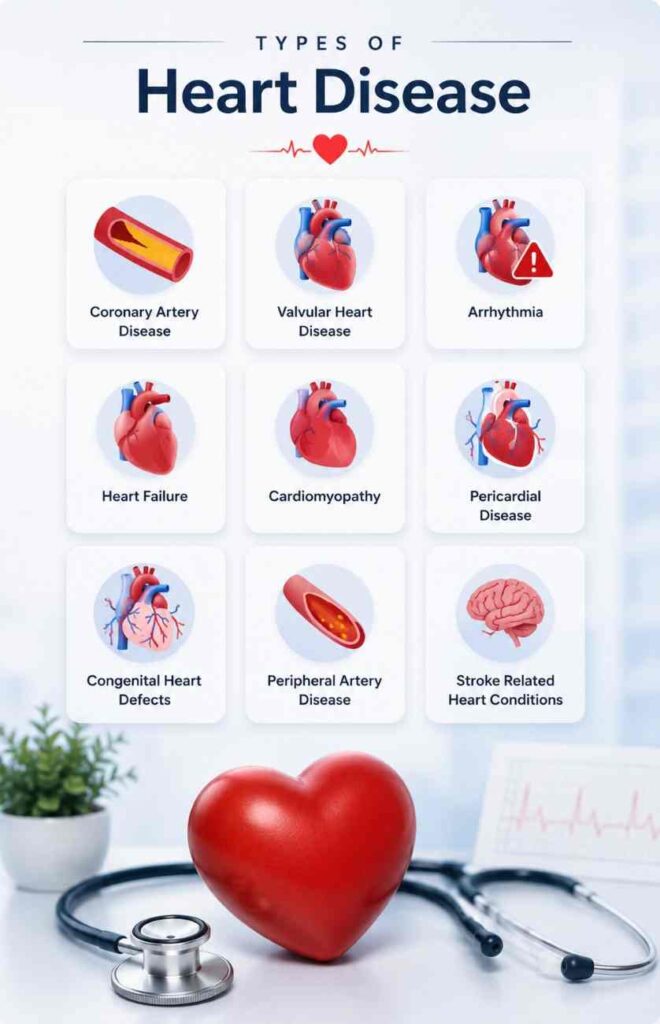
Coronary Artery Disease
A condition in which plaque buildup can narrow the arteries supplying blood to the heart.
Heart Arrhythmias
Problems with the heart’s rhythm, causing the heart to beat too quickly, slowly or irregularly.
Heart Failure
A condition in which the heart cannot pump blood as effectively as the body needs.
Heart Valve Disease
Problems involving the valves that control blood flow through the heart.
Cardiomyopathy
Diseases affecting the heart muscle that can make it harder for the heart to pump effectively.
Congenital Heart Disease
Heart problems that are present from birth.
What Causes Heart Disease?
Common Risk Factors
- High blood pressure
- High cholesterol
- Diabetes
- Smoking or tobacco use
- Physical inactivity
- Excess weight/obesity
- Unhealthy diet
- Family history
- Increasing age
- Chronic stress
- Excessive alcohol use
Heart Disease Isn't Always About Lifestyle
Although lifestyle and health conditions can increase the risk of heart disease, they are not the only causes. Some heart conditions may be related to inherited factors, problems present from birth, infections, structural abnormalities, or other medical conditions.
Are You at Higher Risk?
Smoking →
High BP →
High Cholesterol →
Diabetes →
Obesity →
Family History →
Heart Disease Risk →
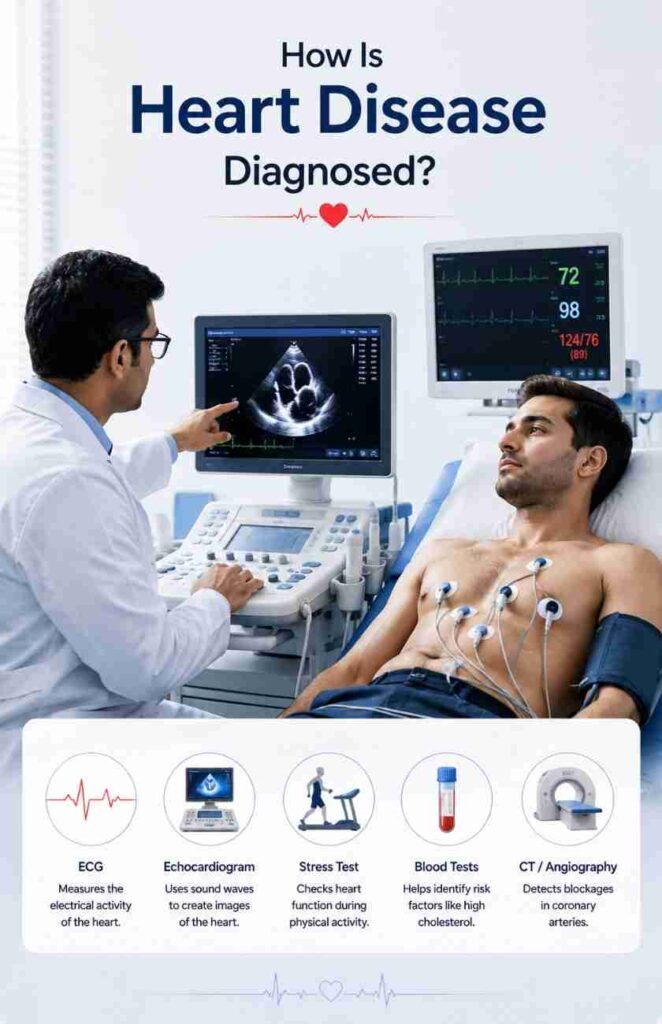
How Is Heart Disease Diagnosed?
01 — Medical History
Your doctor asks about symptoms, health history and risk factors.
02 — Physical Examination
The doctor may check blood pressure, heart rate and listen to the heart.
03 — Electrocardiogram (ECG/EKG)
Records the heart’s electrical activity.
04 — Blood Tests
May help evaluate cholesterol, blood sugar and other relevant markers.
05 — Imaging & Other Tests
Depending on symptoms, doctors may use tests such as echocardiography, cardiac CT, stress testing or other investigations.
Heart Disease Treatment
Treatment depends on the type and severity of heart disease and may include lifestyle changes, medicines, procedures, surgery, or cardiac rehabilitation.
Lifestyle Changes
- Heart-healthy diet
- Regular physical activity
- Smoking cessation
- Weight management
- Stress management
Medications
Depending on the condition, doctors may prescribe medicines to control blood pressure, cholesterol, blood clots or heart symptoms.
Medical Procedures
Some conditions may require procedures such as angioplasty or stent placement.
Surgery
Certain heart conditions may require bypass surgery, valve repair/replacement or other surgical treatment.
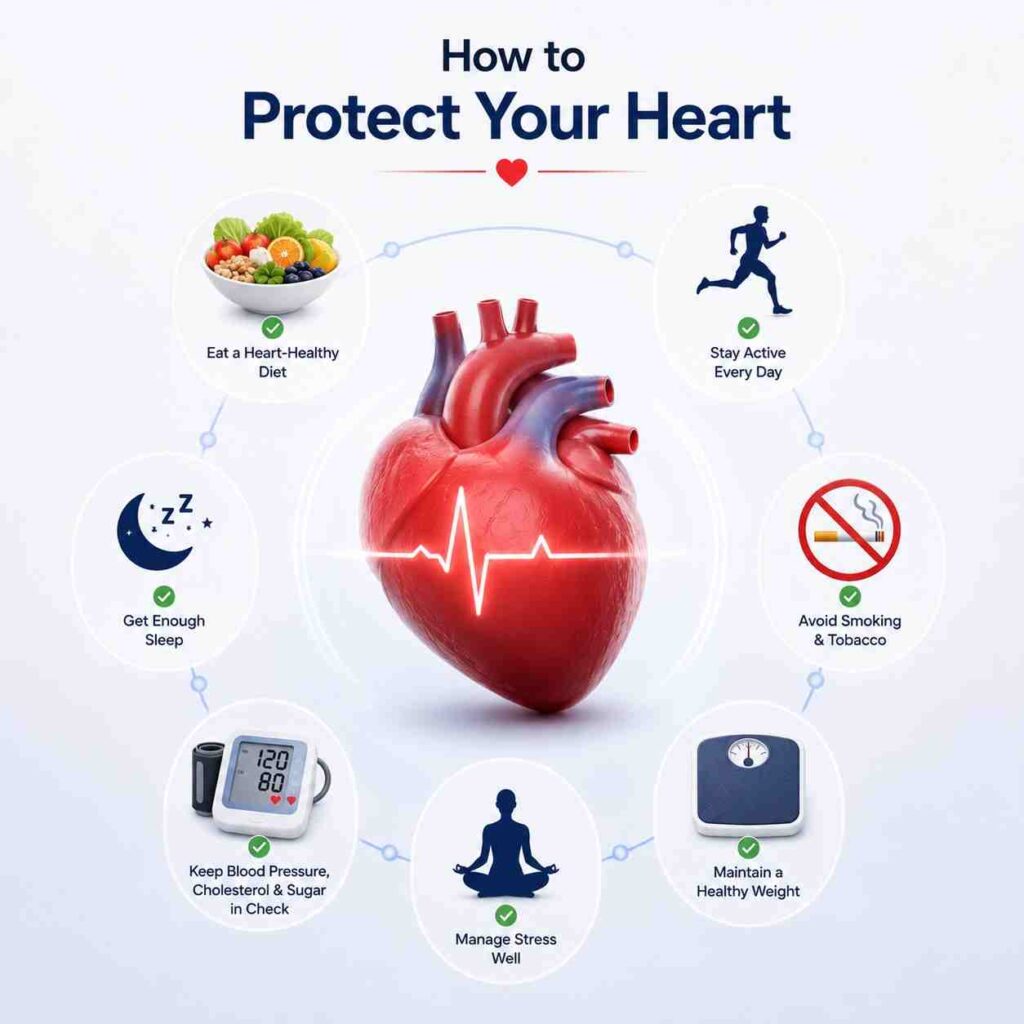
How to Protect Your Heart
Eat a Heart-Healthy Diet
Stay Physically Active
Avoid Smoking & Tobacco
Maintain a Healthy Weight
Get Enough Sleep
Monitor Blood Pressure, Cholesterol & Blood Sugar
When Should You See a Doctor?
Talk to a healthcare professional if you develop new, persistent or worsening symptoms such as chest discomfort, shortness of breath, unexplained fatigue, dizziness, fainting or irregular heartbeats.
Frequently Asked Questions
What is heart disease?
What are the early warning signs of heart disease?
Can heart disease be prevented?
What causes heart disease?
What are the most common types of heart disease?
How is heart disease diagnosed?
Can heart disease be treated?
When should I see a doctor for chest pain?
Concerned About Your Heart Health?
Don’t ignore persistent or unexplained symptoms. Speak with a qualified healthcare professional for appropriate evaluation and guidance.