Eye Health: Common Problems, Symptoms & Care
Healthy eyes play an important role in everyday activities, from reading and working to recognising faces and navigating your surroundings. Eye conditions can cause symptoms such as blurred vision, redness, dryness, pain, or sensitivity to light. Understanding common eye problems, recognising changes in vision, and getting appropriate eye examinations can help you make informed decisions about your eye health.
What Is Eye Health and Why Is It Important?
Eye health refers to the condition of your eyes and how well they support clear, comfortable vision. Healthy vision helps you read, work, learn, drive, and carry out everyday activities.
Common eye problems can affect people of all ages. Some cause noticeable symptoms, such as redness, dryness, or blurred vision, while others may develop without obvious early warning signs. Regular eye examinations can help identify certain conditions before significant vision changes occur.
Taking care of your eyes includes protecting them from injury, managing health conditions such as diabetes, using the correct vision prescription, and seeking professional advice when symptoms develop.
Common Eye Problems and Conditions
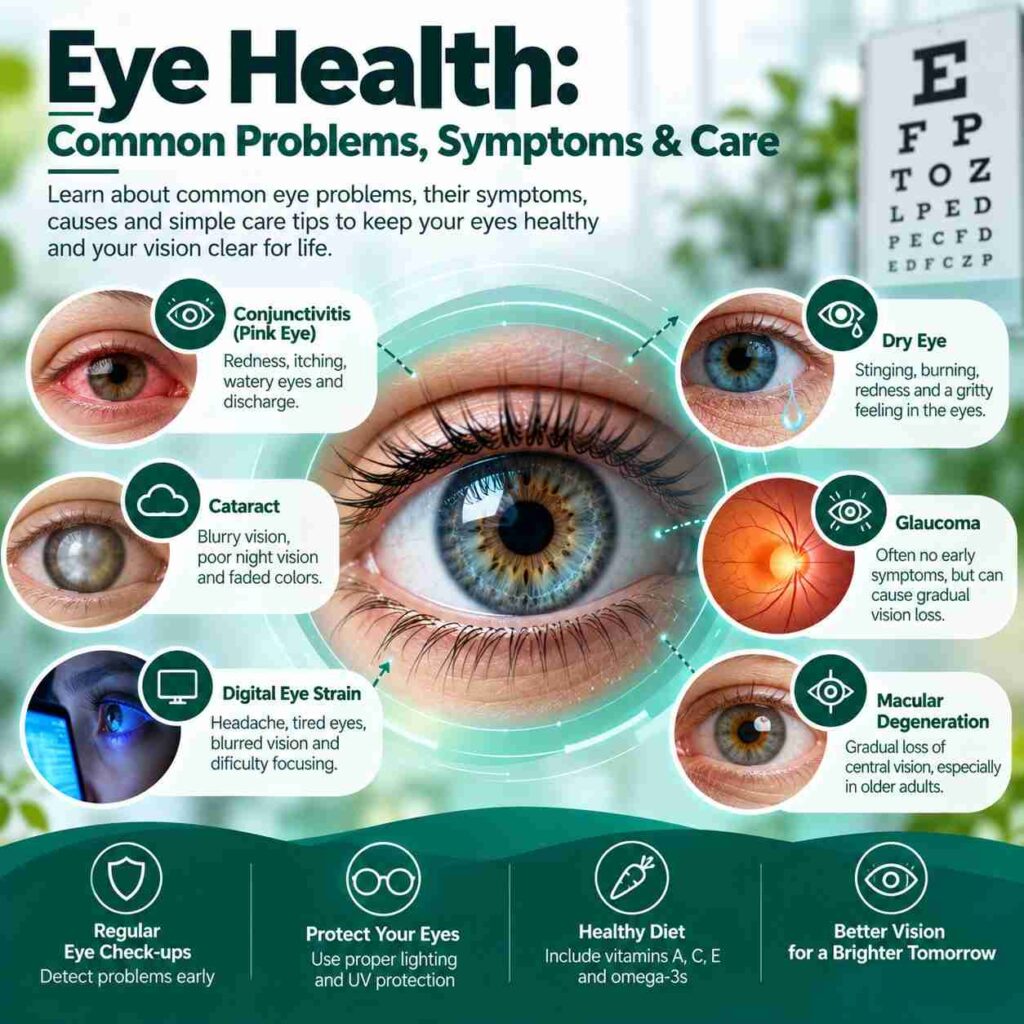
Common eye problems can affect vision, eye comfort, and daily activities. Understanding these eye conditions, their symptoms, and available treatments can help you recognise changes and seek appropriate care.
1. Refractive Errors
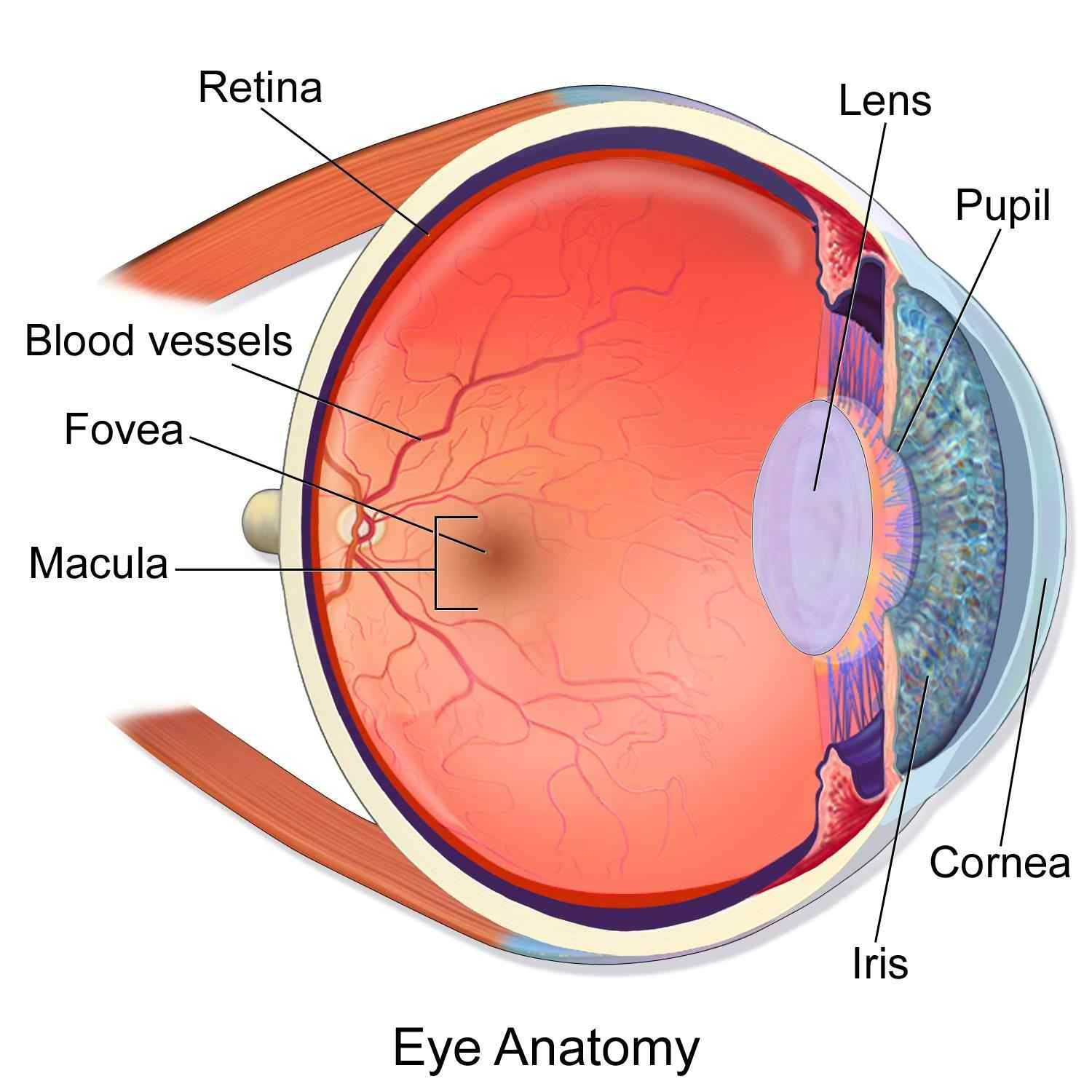
Refractive errors occur when the eye does not focus light correctly on the retina. Nearsightedness, farsightedness, and astigmatism can cause blurred or distorted vision.
Common options: Glasses, contact lenses, or selected vision-correction procedures, depending on suitability.
Vision correction2. Cataracts
Cataracts develop when the eye's lens becomes cloudy. They may cause blurry vision, glare, faded colours, and difficulty seeing at night.
Common options: Updated glasses may help initially. Cataract surgery can replace the cloudy lens when vision is significantly affected.
Lens health3. Glaucoma
Glaucoma damages the optic nerve and can lead to permanent vision loss. It may develop without noticeable early symptoms, so regular eye examinations are important.
Common options: Prescription eye drops, laser treatment, or surgery may help control the condition.
Early detection matters4. Dry Eye Disease
Dry eye occurs when tears do not provide enough lubrication. Symptoms can include burning, redness, irritation, and a gritty or sandy feeling.
Common options: Lubricating eye drops and changes to environmental or screen-related habits may help. Persistent symptoms need assessment.
Eye comfort5. Conjunctivitis (Pink Eye)
Conjunctivitis is inflammation of the thin membrane covering the white of the eye and inner eyelids. It may cause redness, watering, itching, or discharge and can result from infection or allergies.
Common options: Care depends on the cause. Antibiotics are useful for certain bacterial infections, but not for viral or allergic conjunctivitis.
Cause-specific care6. Diabetic Eye Disease
Diabetes can damage blood vessels in the retina and affect vision. Diabetic retinopathy may progress without obvious symptoms in its early stages.
Common options: Blood sugar management, regular diabetic eye examinations, and treatments such as injections, laser, or surgery when indicated.
Regular retinal checks7. Age-Related Macular Degeneration (AMD)
AMD affects the macula, the part of the retina responsible for central vision. It may cause blurred central vision, difficulty reading, or straight lines appearing wavy.
Common options: Monitoring and lifestyle guidance may be recommended. Certain forms may benefit from specialist treatments, including injections.
Protect central vision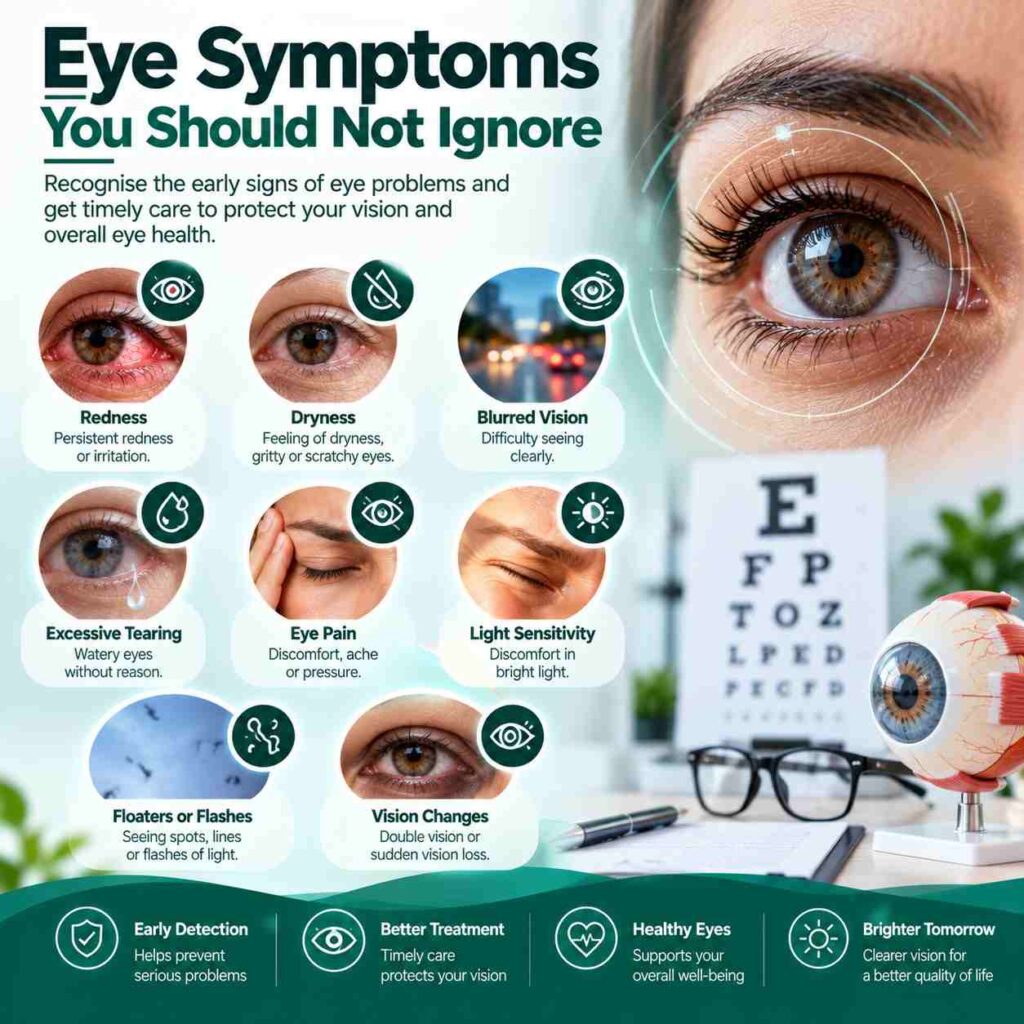
Eye Symptoms You Should Not Ignore
Recognising eye symptoms early can help you understand when to seek medical advice. Some eye problems develop gradually, while others may cause sudden changes in vision that require urgent assessment.
Common Eye Symptoms
Blurred vision: Difficulty seeing objects clearly at near or far distances.
Red or irritated eyes: Redness, itching, or discomfort caused by several possible conditions.
Dry or watery eyes: Burning, grittiness, or excessive tearing.
Eye pain: Discomfort that may be associated with inflammation, injury, or other eye conditions.
Sensitivity to light: Discomfort when exposed to bright light.
Floaters or flashes: Spots, lines, or flashes in your field of vision.
Night vision difficulties: Trouble seeing clearly in dim lighting.
Causes and Risk Factors for Eye Problems
Eye problems can develop because of ageing, inherited factors, infections, underlying health conditions, or changes in the eye’s structure. Some risk factors can be managed, while others cannot be prevented.
Common Causes of Eye Conditions
Ageing: Conditions such as cataracts and age-related macular degeneration become more common with age.
Family history: Some eye conditions, including glaucoma, may run in families.
Diabetes and high blood pressure: These conditions can damage blood vessels and affect eye health.
Infections and allergies: These may cause redness, itching, watering, or discharge.
Refractive errors: Differences in the shape of the eye can affect how light focuses on the retina.
UV exposure: Excessive ultraviolet exposure can increase the risk of certain eye problems.
Contact lens hygiene: Poor lens care can increase the risk of eye irritation and infection.
Eye injuries: Workplace accidents, sports injuries, and chemical exposure can damage the eyes.
Understanding your risk factors and attending appropriate eye examinations can help identify some conditions before significant vision changes occur.
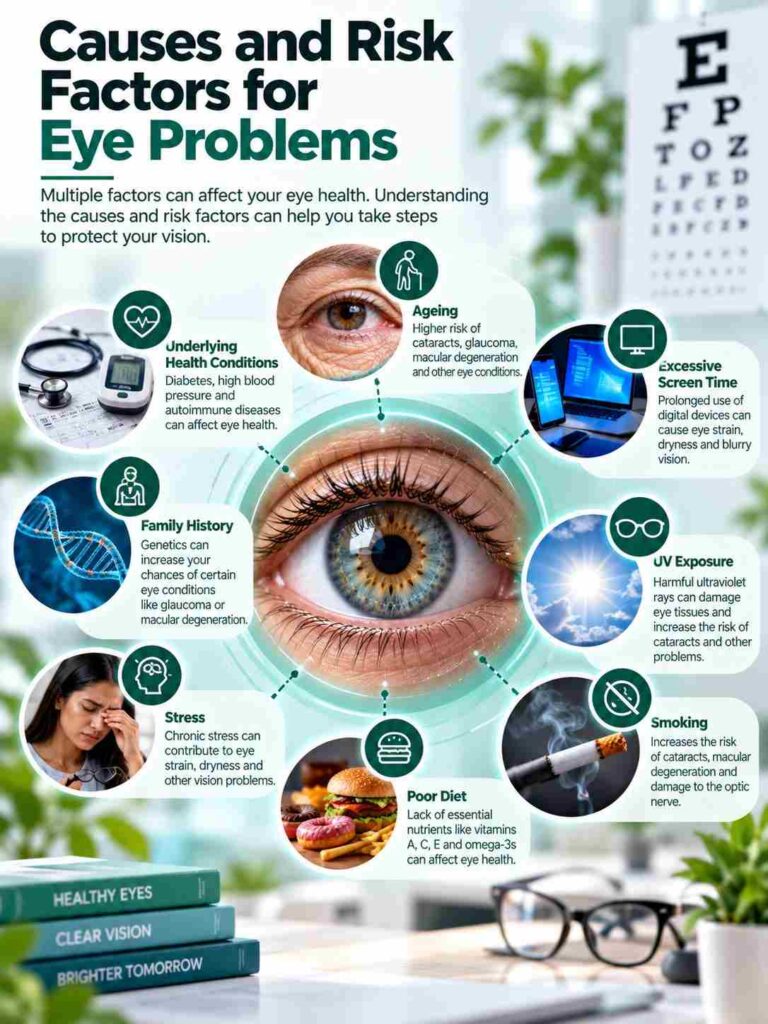
Some eye conditions become more common as people get older. Cataracts, presbyopia, glaucoma, and age-related macular degeneration are examples of conditions associated with aging.
Some eye diseases may run in families. If a close family member has glaucoma or another eye condition, tell your eye doctor.
Diabetes can affect the blood vessels in the retina and increase the risk of diabetic eye disease.
Accidents, chemicals, foreign objects, or sports injuries can damage the eye. Eye injuries should be assessed appropriately, especially when pain or vision changes occur.
High blood pressure can affect blood vessels and may contribute to certain eye problems.
Eye infections, allergies, and inflammation can cause redness, itching, discharge, or discomfort.
Long periods of screen use may contribute to eye strain, dryness, and temporary discomfort. Screen use does not mean that every vision problem is caused by screens.
How Are Eye Conditions Diagnosed?
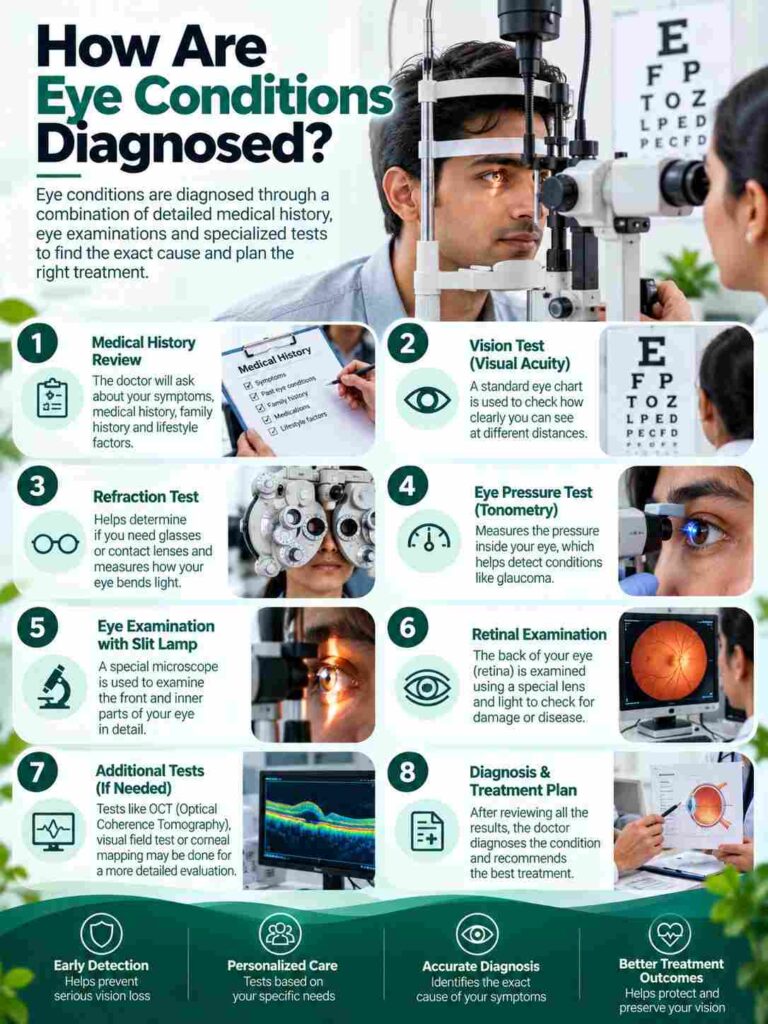
Eye conditions are diagnosed through a medical history, assessment of symptoms, and appropriate eye examinations. The tests recommended depend on your symptoms, age, medical history, and suspected condition.
Common Eye Tests
Visual acuity test: Checks how clearly you can see letters or symbols at different distances.
Refraction test: Helps determine whether glasses or contact lenses may improve your vision.
Slit-lamp examination: Allows an eye care professional to examine structures at the front of the eye.
Dilated eye examination: Uses eye drops to widen the pupils so the retina and optic nerve can be examined.
Eye pressure measurement: Measures pressure inside the eye and may help assess glaucoma risk.
Visual field test: Checks for areas of reduced vision.
Retinal imaging or scans: Provides detailed images of the retina and other eye structures when needed.
Not every patient needs every test. An eye care professional will recommend examinations based on individual needs and findings.
Eye Treatment Options
Eye treatment depends on the underlying condition, its severity, and your overall health. Some eye problems can be managed with corrective lenses or lubricating drops, while others may require prescription medicines, laser procedures, or surgery.
1. Glasses and Contact Lenses
Corrective lenses help focus light properly on the retina. Glasses and contact lenses may improve vision affected by nearsightedness, farsightedness, or astigmatism.
Vision correction2. Lubricating Eye Drops
Artificial tears may relieve dryness, irritation, and a gritty feeling. The most suitable product depends on your symptoms and individual needs. Persistent discomfort should be assessed.
Dry eye relief3. Prescription Medicines
Certain eye conditions, infections, and inflammatory problems may require clinician-prescribed eye drops, ointments, or oral medicines. The medicine depends on the diagnosis and cause.
Condition-specific care4. Laser Treatment
Laser procedures may be recommended for selected eye conditions, including certain types of glaucoma and retinal disease. Suitability depends on the specific condition and examination findings.
Selected procedures5. Eye Surgery
Surgery may be considered when an eye condition significantly affects vision or requires a procedure. Cataract surgery, for example, replaces the cloudy natural lens with an artificial lens.
When clinically indicated6. Lifestyle and Health Management
Managing diabetes, protecting your eyes from UV exposure, taking screen breaks, and following your prescribed care plan can support long-term eye health.
Everyday eye careTreatment choices should be based on an appropriate eye examination and professional medical advice. Results and recovery vary by condition and individual.
How to Maintain Healthy Eyes
Following simple eye care tips can help support healthy vision throughout life. Regular eye examinations, everyday protective habits, and appropriate care can help identify potential problems early. Although not all eye conditions can be prevented, consistent eye care is an important part of overall health.
7 Practical Eye Care Tips
Schedule Eye Examinations
Follow the eye examination schedule recommended for your age, medical history, and individual risk factors.
Protect Against UV Rays
Choose sunglasses labelled for 100% UVA and UVB protection. Wear a brimmed hat outdoors when practical.
Eat a Balanced Diet
Include varied vegetables, fruits, whole grains, and other nutrient-rich foods as part of a balanced eating pattern.
Give Your Eyes Screen Breaks
Take regular breaks during prolonged computer or phone use. Blink often and adjust screen brightness and position for comfort.
Use Contact Lenses Safely
Follow cleaning and replacement instructions. Never clean or store lenses in water, and avoid sleeping in them unless specifically directed.
Wear Protective Eyewear
Use suitable safety glasses or goggles for sports, DIY tasks, and work involving flying particles or chemicals.
Manage Existing Conditions
Follow your care plan for diabetes and high blood pressure. Attend recommended eye checks even if your vision seems normal.
When to seek medical advice: If you experience persistent eye discomfort or changes in vision, arrange an appropriate medical assessment rather than relying on home remedies alone. Sudden vision loss or severe eye pain needs urgent medical attention. No single food, supplement, or exercise can prevent every eye disease.
When Should You See an Eye Doctor?
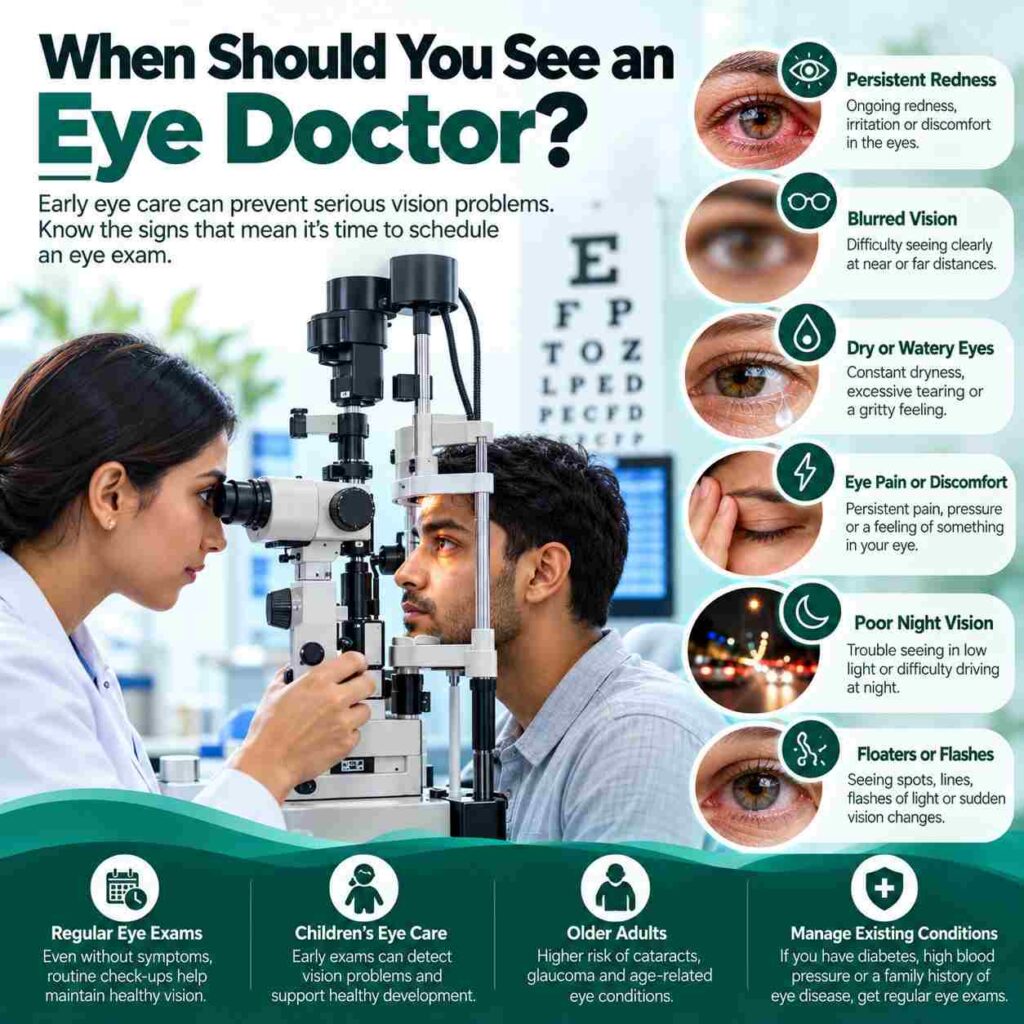
ou should seek an eye assessment if you notice persistent eye discomfort, changes in vision, or symptoms that interfere with daily activities. Early assessment can help identify the cause and determine the appropriate care.
Book an Eye Examination If You Experience
Blurred or changing vision.
Persistent redness, itching, dryness, or watering.
Difficulty seeing at night or adjusting to dim light.
Recurrent headaches associated with visual tasks.
New difficulty reading or seeing objects clearly.
Ongoing symptoms related to contact lens use.
Which Doctor Treats Eye Problems?
Choosing the right eye care professional depends on your symptoms and the type of care you need. Understanding the difference between an ophthalmologist, optometrist, and optician can help you find appropriate support for your vision and eye health.
Ophthalmologist
A medical doctor who diagnoses and treats eye diseases, prescribes treatment, and performs eye surgery when needed.
Medical & surgical eye careOptometrist
Examines vision, identifies many eye problems, and provides vision correction and other eye care within their professional scope.
Vision & eye assessmentOptician
Helps fit and dispense glasses or contact lenses according to a prescription. Opticians generally do not diagnose or treat eye diseases.
Glasses & lens fittingLooking for Eye Care Guidance?
Explore the ophthalmologist information page to learn more about specialist eye care. Confirm available services and appointment arrangements with the clinic before visiting.
Important: If you have persistent symptoms, worsening vision, or a suspected eye condition, seek assessment from an appropriately qualified eye care professional. Sudden vision loss, severe eye pain, or sudden major changes in vision require urgent medical attention.
Frequently Asked Questions About Eye Health
Find answers to common questions about eye problems, healthy vision, eye care, treatment options, and when to seek medical attention.
01 What are the most common eye problems?
Common eye problems include refractive errors, cataracts, glaucoma, dry eye disease, conjunctivitis, diabetic eye disease, and age-related macular degeneration. Symptoms and treatment depend on the specific condition.
02 What are the warning signs of an eye problem?
Blurred vision, persistent redness, eye pain, light sensitivity, and ongoing irritation can indicate an eye problem. Sudden vision loss or severe eye pain needs urgent medical assessment.
03 How can I maintain healthy eyes?
Attend recommended eye examinations, wear sunglasses with UV protection, eat a balanced diet, use contact lenses safely, take breaks from screens, and protect your eyes from injury.
04 Can using a mobile phone damage my eyes?
Extended screen use can contribute to digital eye strain, dryness, and temporary discomfort. Regular breaks, frequent blinking, and comfortable screen settings may help. Persistent symptoms should be assessed by an eye care professional.
05 How often should I get my eyes checked?
The recommended frequency depends on your age, vision, medical history, and risk factors. Ask an appropriately qualified eye care professional to recommend a schedule that suits your needs.
06 Can diabetes affect eye health?
Yes. Diabetes can damage blood vessels in the retina and cause diabetic eye disease. Follow your clinician's advice about regular retinal examinations, even if your vision seems normal.
07 Are all eye diseases painful?
No. Some eye conditions, including certain forms of glaucoma and diabetic eye disease in their early stages, may develop without noticeable symptoms. Regular examinations can help identify problems that may not be obvious.
08 Can eye problems be treated?
Many eye problems can be managed with corrective lenses, medicines, lifestyle measures, laser procedures, or surgery, depending on the condition. The appropriate treatment varies from person to person.
09 When should I seek emergency eye care?
Seek urgent medical care for sudden vision loss, severe eye pain, serious eye injury, chemical exposure, or new flashes and floaters accompanied by a curtain-like shadow. Do not delay assessment while waiting for symptoms to improve.
10 Which doctor should I consult for an eye problem?
An ophthalmologist can diagnose and treat eye diseases and perform surgery when needed. An optometrist assesses vision and provides eye care within their scope. The right professional depends on your symptoms and care needs.