
Crohn's Disease
Symptoms, Causes, Diagnosis & Treatment
Crohn’s disease is a chronic inflammatory bowel disease that can cause inflammation anywhere along the digestive tract. Learn about common symptoms, possible causes, diagnosis, treatment options and when to see a gastroenterologist.
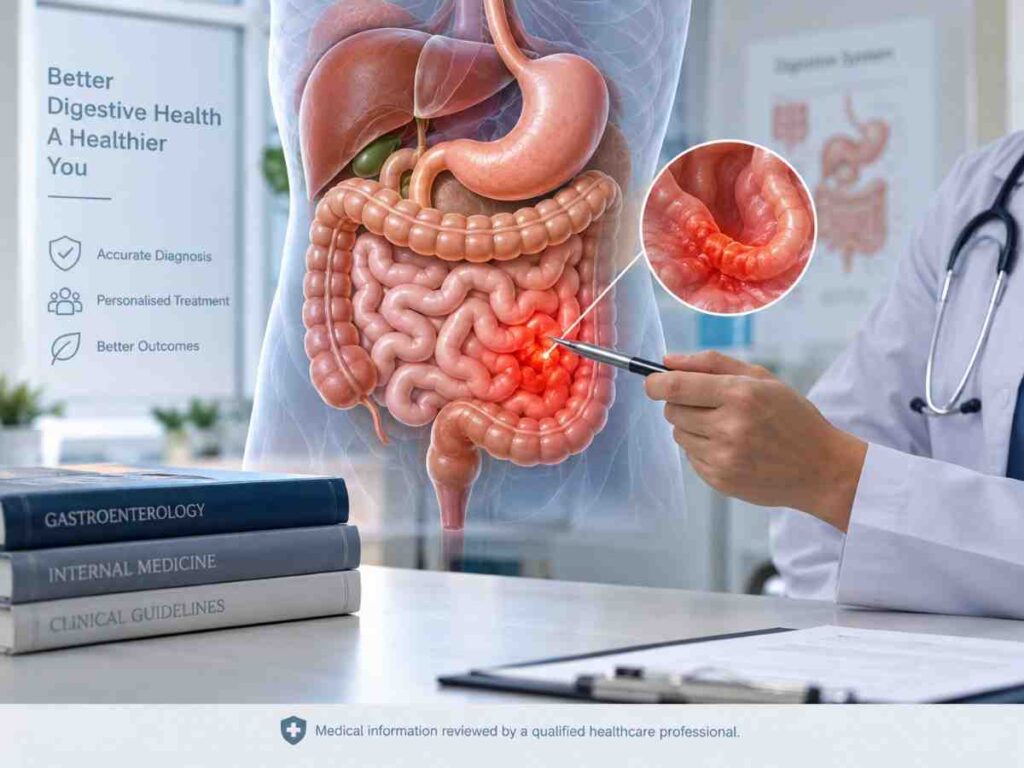
What Is Crohn's Disease?
Crohn’s disease is a chronic inflammatory bowel disease (IBD) that causes inflammation in the digestive tract. It can affect different parts of the gastrointestinal tract, most commonly the small intestine and the beginning of the large intestine. Symptoms and severity can vary from person to person and may include diarrhea, abdominal pain, fatigue and unintentional weight loss.
Crohn’s disease can have periods when symptoms become active and periods when they improve or disappear. There is currently no single cure, but treatment can help control inflammation, manage symptoms and reduce the risk of complications.
Crohn's Disease
A chronic inflammatory condition that can affect any part of the digestive tract.
Inflammation
Inflammation causes swelling and irritation within the digestive tract.
Digestive Tract
Crohn's disease can affect the small intestine, large intestine, or both.
Symptoms / Flare-ups
Symptoms may include abdominal pain, diarrhea, fatigue, weight loss and other digestive problems.
Diagnosis & Treatment
Diagnosis may involve tests such as endoscopy, imaging and lab tests. Treatment focuses on managing inflammation and symptoms.
Where Can Crohn's Disease Affect the Digestive Tract?
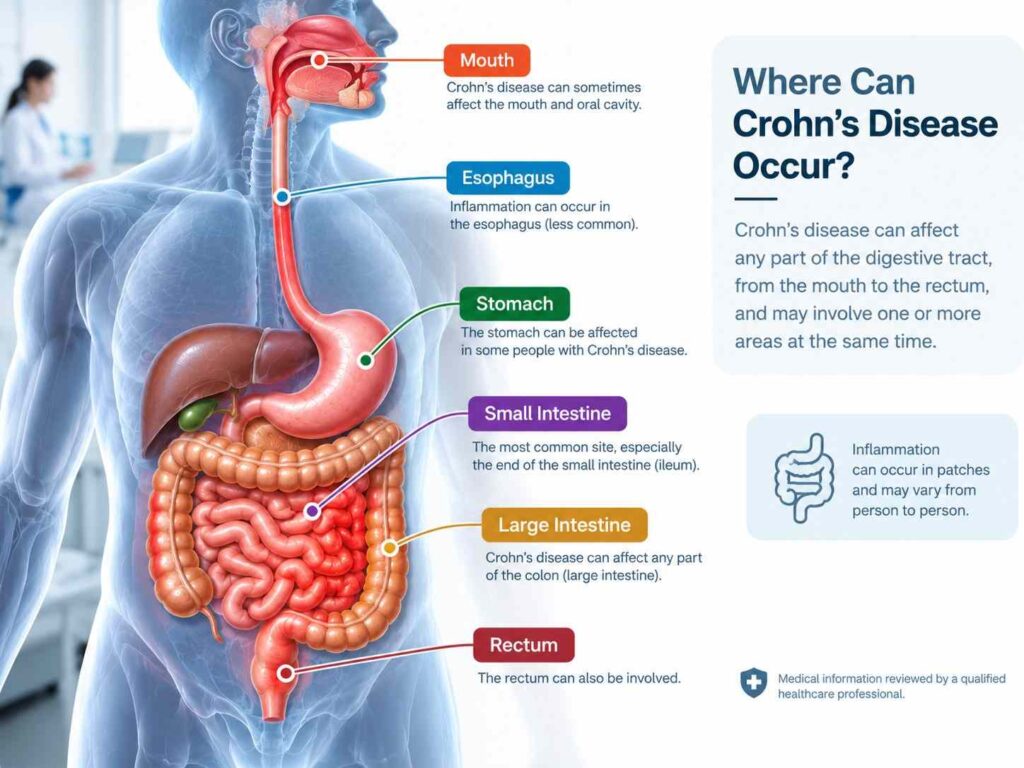
How Crohn's Disease Affects the Digestive Tract
Lorem ipsum dolor sit amet, consectetur adipiscing elit. Ut elit tellus, luctus nec ullamcorper mattis, pulvinar dapibus leo.
Crohn’s disease can affect different parts of the digestive tract, from the mouth to the anus. It commonly affects the end of the small intestine and the beginning of the large intestine. The location and severity of inflammation can influence a person’s symptoms and the risk of complications. A gastroenterologist can help determine which parts of the digestive tract are affected through appropriate examinations and tests.
Crohn's Disease Symptoms: 7 Important Warning Signs
Common symptoms
Abdominal Pain
Cramping or persistent discomfort in the abdomen.
Diarrhea
Frequent or persistent loose stools may occur.
Unintentional Weight Loss
Weight loss may occur when inflammation affects appetite or nutrient absorption.
Fatigue
Ongoing inflammation and nutritional problems can contribute to tiredness.
Blood in Stool
Some people may experience blood in their stool.
Loss of Appetite
Digestive symptoms may reduce appetite.
Nausea
Some people may experience nausea, particularly during active disease.
Fever
Fever can occur with active inflammation or complications.
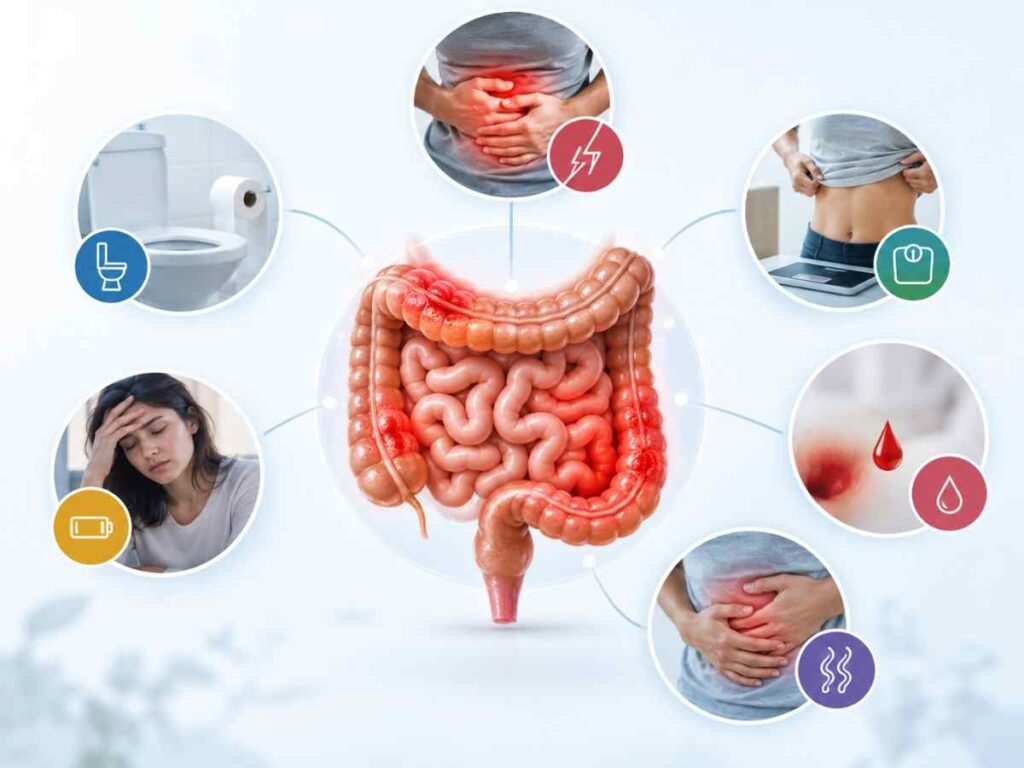
What Are the Early Signs of Crohn's Disease?
Some early symptoms of Crohn’s disease can resemble other digestive conditions. Persistent diarrhea, recurring abdominal pain, unexplained weight loss or blood in the stool should not be ignored, particularly when symptoms continue or become more severe.
Crohn's Disease vs Other Digestive Conditions
| Condition | General difference |
|---|---|
| Crohn’s Disease | Inflammatory bowel disease that can affect different parts of the GI tract |
| Ulcerative Colitis | Inflammatory bowel disease primarily affecting the colon and rectum |
| IBS | Functional digestive disorder that can cause abdominal pain and changes in bowel habits |
Symptoms can overlap between these conditions. A healthcare professional may need medical history, examination and diagnostic testing to determine the cause.
What Causes Crohn's Disease? Key Risk Factors Explained
 Genetics
Some people have a greater susceptibility to inflammatory bowel disease.
 Immune System
Abnormal immune responses contribute to inflammation in the digestive tract.
 Environmental Factors
Environmental exposures and lifestyle-related factors may influence risk.
 Gut Microbiome
Changes in the microorganisms living in the digestive tract may play a role.
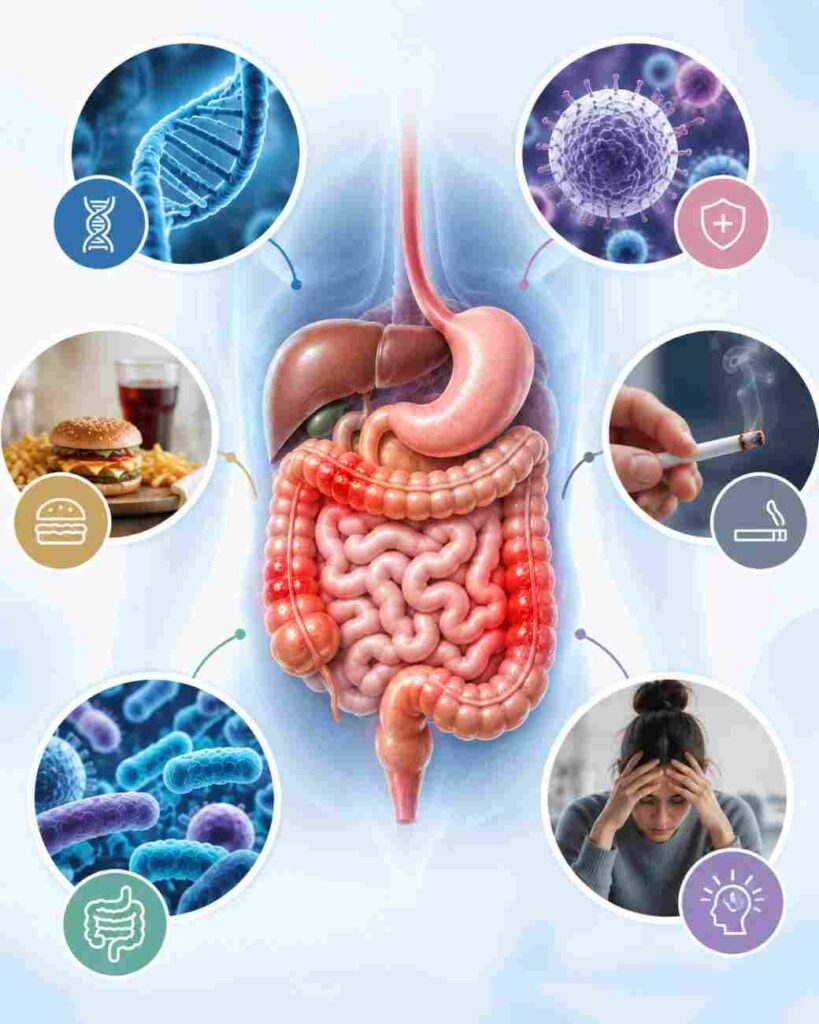
The exact cause of Crohn’s disease is not fully understood.
Crohn's Disease Risk Factors: Essential Facts to Know
Add Your Family history of IBDHeading Text Here
Smoking
Certain environmental exposures
Age-related patterns
Previous immune/inflammatory factors
These factors may increase the likelihood of developing Crohn’s disease, but having a risk factor does not mean a person will develop the condition.
Crohn's Disease Diagnosis: 6 Important Steps
Step 1 — Medical History
Your doctor will ask about:
- bowel habits
- abdominal pain
- weight changes
- family history
- duration of symptoms
- previous illnesses and treatments
Step 2 — Physical Examination
A doctor may perform an examination and assess symptoms.
Step 3 — Blood Tests
May help identify signs such as inflammation or anemia.
Step 4 — Stool Tests
May help assess inflammation and rule out certain infections.
Step 5 — Imaging
Depending on symptoms, doctors may use:
- MRI
- CT
- other imaging studies
Step 6 — Endoscopy
Possible procedures include:
- Colonoscopy
- Upper endoscopy
- Capsule endoscopy
- Other specialized examinations
How is Crohn’s disease diagnosed?
Crohn’s disease is diagnosed through a combination of medical history, physical examination and appropriate tests. Depending on the person’s symptoms, a doctor may recommend blood tests, stool tests, colonoscopy with biopsies, or imaging such as MRI or CT. The tests help identify inflammation, determine which parts of the digestive tract are affected and rule out other conditions that can cause similar symptoms.
Crohn's Disease Treatment Options
Crohn's disease is a chronic inflammatory bowel disease (IBD). Treatment aims to reduce inflammation, relieve symptoms, support nutritional health, promote healing where possible and maintain remission. The right plan depends on disease location, severity, complications, previous treatment response and individual needs.
Medicines Used for Crohn's Disease
Different medicines work in different ways. Some are used to control active inflammation, while others help maintain remission or treat particular disease patterns.
Corticosteroids
Short-term flare controlCorticosteroids, such as prednisone or budesonide in suitable circumstances, reduce inflammation and may help control selected Crohn's disease flares.
Important treatment details
These medicines are generally used for short-term control rather than long-term maintenance because prolonged use can cause significant side effects. The choice of steroid depends on disease location and severity. Do not start, change or stop corticosteroids without medical guidance.
Immunomodulators
Immune activity regulationImmunomodulators, including medicines such as azathioprine, mercaptopurine and methotrexate in selected cases, modify immune activity to help control inflammation.
Important treatment details
Some may be used to help maintain remission or as part of a combination treatment plan. Their effect may take time to develop. Blood tests and other checks are important to monitor for side effects and determine whether treatment remains suitable.
Biologic Therapies
Targeted inflammation controlBiologics are advanced medicines that target specific immune pathways involved in inflammation. Options may include anti-TNF medicines, vedolizumab or ustekinumab, depending on the case.
Important treatment details
Biologics may be recommended for moderate to severe disease, certain complications or when other treatments have not worked well enough. Screening for certain infections and ongoing monitoring may be needed. Benefits and risks differ by medicine.
Targeted Therapies
Selected advanced treatmentsTargeted small-molecule medicines act on specific signals involved in immune activity. Certain JAK inhibitors or other targeted medicines may be considered where approved and clinically appropriate.
Important treatment details
Suitability depends on the medicine, disease characteristics, previous treatment and local clinical guidance. Not every targeted medicine is approved for Crohn's disease in every country. Your gastroenterologist can explain available options, safety considerations and monitoring requirements.
Nutrition & Supportive Care
Whole-person managementNutritional support, hydration, correction of deficiencies and symptom management are important parts of Crohn's disease care. Individual dietary advice can help address specific needs.
Important treatment details
A healthcare professional may check for iron, vitamin B12, vitamin D or other deficiencies based on your symptoms and disease location. A dietitian familiar with IBD may help personalise nutrition without unnecessary food restrictions.
Maintaining Remission
Long-term disease controlAfter active inflammation is controlled, a suitable maintenance plan helps reduce the risk of relapse and ongoing bowel damage.
Important treatment details
Feeling better does not always mean inflammation has fully settled. Continuing the prescribed maintenance plan and attending follow-up appointments can help the care team assess whether treatment is working as intended.
Can Crohn's Disease Be Cured?
There is currently no established cure for Crohn's disease. However, treatment can help many people achieve remission, reduce inflammation, improve symptoms and maintain quality of life.
What Does Remission Mean?
Remission means the disease is under control, with reduced or absent symptoms and, where assessed, lower inflammatory activity. The care team may use symptoms, blood tests, stool markers, endoscopy or imaging to assess disease control.
Can Symptoms Return?
Yes. Crohn's disease can flare even after a period of improvement. Ongoing monitoring and a personalised maintenance plan can help identify renewed inflammation and guide treatment adjustments when necessary.
When Might Surgery Be Needed?
Surgery may be recommended when Crohn's disease causes complications or does not respond adequately to medical treatment. The decision depends on the location and severity of the disease, previous treatment and overall health.
Common Reasons for Surgery
- A narrowed section of bowel causing obstruction or repeated blockage.
- A fistula, abscess or other significant complication requiring intervention.
- Severe disease that continues despite appropriate medical treatment.
- Significant bleeding, perforation or certain precancerous or cancerous changes when relevant.
What Can Surgery Involve?
Depending on the problem, surgery may involve draining an abscess, treating a narrowing or removing a damaged section of bowel. The exact procedure is determined by a specialist surgical team.
Surgery can relieve particular complications, but Crohn's disease may recur in other areas or near the surgical site. Medical treatment and follow-up may still be needed afterward.
How Is Crohn's Disease Treatment Monitored?
Regular follow-up helps the care team evaluate symptom control, detect ongoing inflammation, monitor medicine safety and adjust treatment when needed.
Symptoms & Daily Health
Review abdominal pain, bowel habits, fatigue, appetite, weight changes and possible flare symptoms.
Blood & Stool Tests
Tests may assess inflammation, anaemia, nutritional concerns and medicine-related safety. Stool calprotectin may help assess intestinal inflammation.
Imaging & Endoscopy
Depending on the situation, imaging or endoscopy can help assess bowel inflammation, healing, narrowing or complications.
Review the Treatment Plan
The specialist reviews benefits, side effects, adherence and test results to decide whether the plan should continue or change.
Medicines Used for Crohn's Disease
Corticosteroids
Immunomodulators
Biologic therapies
Targeted therapies
Other symptom-management medicines
Learn More About Crohn’s Disease Medications →
Crohn's Disease and Diet

During symptoms
Some people may tolerate simpler, smaller meals better.
Hydration
Diarrhea can increase fluid loss.
Nutritional deficiencies
Crohn’s may make it harder to obtain or absorb certain nutrients.
Personalized nutrition
A doctor or dietitian can help tailor dietary choices to symptoms and nutritional needs.
Avoid extreme elimination diets without professional guidance.
Crohn's Disease Flare-Ups: Important Signs and What to Do
A flare-up refers to a period when Crohn’s symptoms become active or worsen.
What should you do?
Don’t change prescription medication on your own.
signs
- Increased diarrhea
- Abdominal pain
- Fatigue
- Reduced appetite
- Fever
- Blood in stool
Contact your healthcare provider if symptoms are worsening or unusual for you.
Possible Complications of Crohn's Disease
Fistulas
Abnormal connections can develop between organs or tissues.
Abscesses
Collections of infection can occur.
Nutritional Deficiencies
Inflammation and reduced absorption may contribute to deficiencies.
Other Complications
Crohn’s can also affect areas outside the digestive tract.
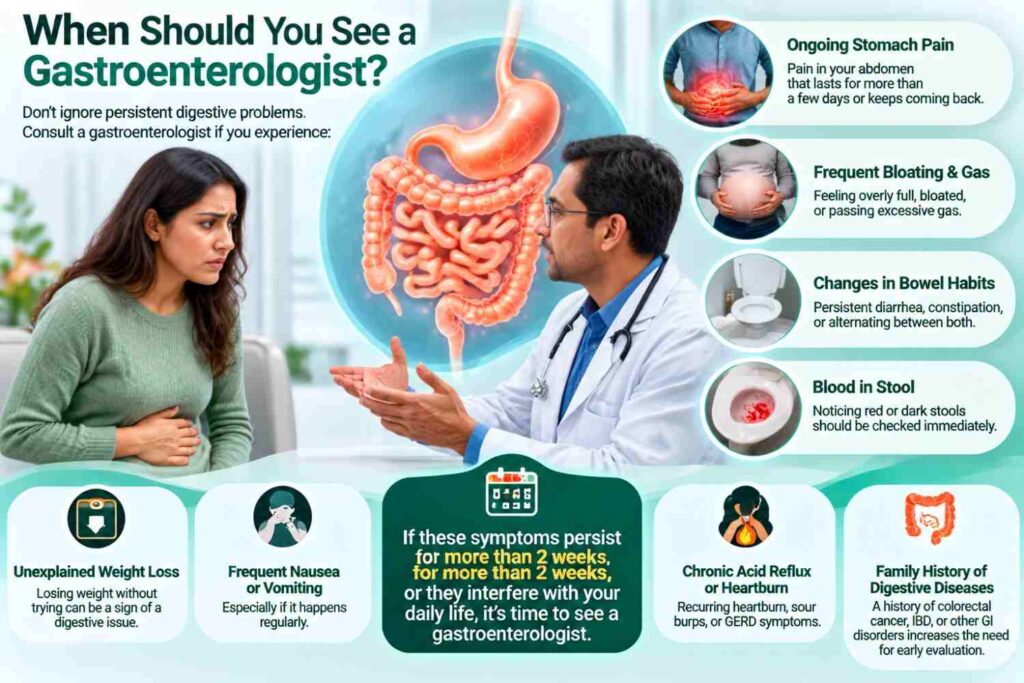
When Should You See a Gastroenterologist?
Consider medical evaluation if you have:
- persistent diarrhea
- recurring abdominal pain
- unexplained weight loss
- blood in stool
- ongoing fatigue
- recurring digestive symptoms
- symptoms that interfere with daily life
Important safety information
When Do Crohn's Disease Symptoms Need Urgent Medical Care?
Crohn's disease symptoms can sometimes indicate a serious complication. Do not wait for a routine appointment if symptoms are severe, rapidly worsening, or accompanied by signs of significant blood loss or dehydration.
-
Severe or worsening abdominal pain
Intense, persistent, or rapidly worsening pain, particularly with abdominal swelling, vomiting, or inability to pass stool or gas, needs urgent assessment.
-
Substantial rectal bleeding
Heavy bleeding, repeated passage of blood, or bleeding with weakness or dizziness requires urgent medical evaluation.
-
Persistent vomiting
Repeated vomiting or being unable to keep fluids down can cause dehydration and may signal a bowel obstruction or another complication.
-
Fainting or severe dehydration
Fainting, confusion, very little urine, marked dizziness, or extreme weakness may indicate a serious problem and needs immediate medical attention.
Any new or unexplained rectal bleeding should be discussed promptly with a healthcare professional, even if it is a small amount. Heavy bleeding, black tarry stools, or bleeding with dizziness or weakness warrants emergency assessment.
What should you do? Seek emergency medical care for severe symptoms, fainting, substantial bleeding, or signs of severe dehydration. Do not drive yourself if you feel faint or seriously unwell. For urgent symptoms in India, call 112 or go to the nearest emergency department.
This information is educational and does not replace a medical assessment. When in doubt about severe or worsening symptoms, seek urgent professional care.

Living With Crohn's Disease
Medication adherence
Take prescribed medication according to your healthcare professional’s instructions.
Nutrition
Work with a healthcare professional if symptoms affect eating or nutrient intake.
Physical activity
Stay active according to your health and doctor’s recommendations.
Emotional health
Living with a chronic condition can affect mood and mental wellbeing.
Keep appointments
Regular follow-up helps monitor the condition and treatment response.
Frequently Asked Questions About Crohn's Disease
Find answers to common questions about Crohn's disease symptoms, causes, diagnosis, diet, treatment options, and when to seek medical care.
01 What is Crohn's disease? +
Crohn's disease is a chronic inflammatory bowel disease (IBD) that causes inflammation in the digestive tract. It can affect any part of the gastrointestinal tract, from the mouth to the anus, but commonly affects the end of the small intestine and the beginning of the colon. Symptoms and severity vary from person to person.
02 What are the early symptoms of Crohn's disease? +
Early Crohn's disease symptoms may include persistent diarrhoea, abdominal pain or cramps, fatigue, reduced appetite, and unexplained weight loss. Some people may also experience fever, anaemia, or delayed growth in children. Symptoms can develop gradually and may come and go.
03 What causes Crohn's disease? +
The exact cause of Crohn's disease is not fully understood. Researchers believe it involves an abnormal immune response, genetic susceptibility, and environmental factors. It is not caused simply by stress or eating a particular food, although stress and certain foods may worsen symptoms in some people.
04 Is Crohn's disease curable? +
There is currently no established cure for Crohn's disease, but treatment can help control inflammation, reduce symptoms, and maintain remission. Treatment plans may include medication, nutritional support, lifestyle adjustments, and surgery when necessary. Regular medical follow-up helps manage the condition over time.
05 How is Crohn's disease diagnosed? +
Crohn's disease diagnosis may involve a medical history, physical examination, blood tests, stool tests, colonoscopy with biopsies, and imaging tests such as MRI or CT scans. No single test confirms every case, so doctors combine findings to assess inflammation and rule out other conditions.
06 What is the difference between Crohn's disease and ulcerative colitis? +
Crohn's disease can affect any part of the digestive tract and may involve patches of inflammation separated by healthy tissue. Ulcerative colitis affects the colon and rectum, usually beginning in the rectum and extending continuously through the colon. Both are forms of inflammatory bowel disease, but their patterns and treatment approaches can differ.
07 What foods should people with Crohn's disease avoid? +
There is no single diet that everyone with Crohn's disease must follow. Some people find that high-fibre foods, fatty meals, spicy foods, dairy products, or certain other foods worsen their symptoms, particularly during a flare. Keeping a food and symptom diary and consulting a registered dietitian can help identify individual triggers while maintaining adequate nutrition.
08 Can Crohn's disease cause diarrhoea and weight loss? +
Yes. Intestinal inflammation can cause persistent diarrhoea, abdominal discomfort, reduced appetite, and weight loss. Inflammation may also interfere with nutrient absorption, depending on which parts of the digestive tract are affected. Persistent diarrhoea, unexplained weight loss, or signs of dehydration should be assessed by a healthcare professional.
09 What treatments are available for Crohn's disease? +
Crohn's disease treatment depends on the location and severity of inflammation and the person's overall health. Options may include short-term corticosteroids for selected flares, immunomodulators, biologic medicines, targeted therapies, nutritional support, and surgery for certain complications. A gastroenterologist can recommend an appropriate treatment plan.
10 Can Crohn's disease lead to complications? +
Yes. Possible complications include intestinal narrowing (strictures), bowel obstruction, fistulas, abscesses, anaemia, nutritional deficiencies, and problems outside the digestive tract. Early diagnosis, appropriate treatment, and ongoing monitoring can help reduce the risk of some complications.
11 Which doctor treats Crohn's disease? +
A gastroenterologist is the main specialist for diagnosing and managing Crohn's disease. Depending on the person's needs, care may also involve a colorectal surgeon, dietitian, or other specialists. Seek medical advice if digestive symptoms persist, recur, or interfere with daily life.
12 When should I seek medical help for possible Crohn's disease? +
Consult a healthcare professional for persistent diarrhoea, recurring abdominal pain, unexplained weight loss, blood in the stool, or ongoing fatigue. Seek urgent medical care for severe or worsening abdominal pain, significant rectal bleeding, persistent vomiting, marked abdominal swelling, or signs of severe dehydration.
Medical note: These answers are for general educational purposes and do not replace professional medical advice. Crohn's disease symptoms can overlap with other conditions. A healthcare professional can assess your symptoms and recommend appropriate testing and care.
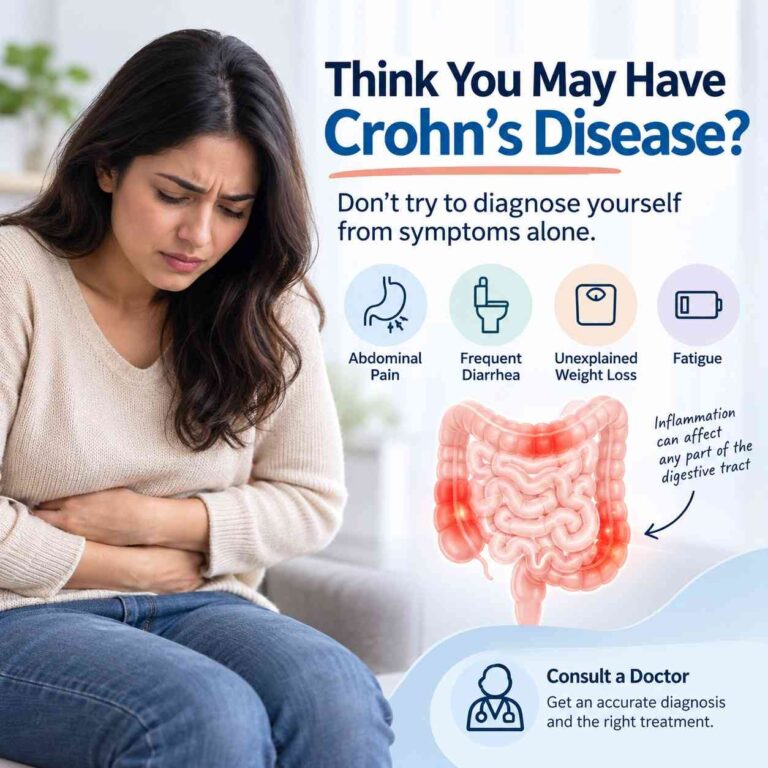
Think You May Have Crohn's Disease?
Don’t try to diagnose yourself from symptoms alone.
A gastroenterologist can review your symptoms, medical history and appropriate test results to determine whether further evaluation is needed.
Dr. [Name]
Gastroenterologist
[View Profile]
[Book Appointment]
Take the Next Step Toward Better Digestive Health
Persistent digestive symptoms deserve proper medical evaluation.