
1 of 11 / Overview
What Is Cancer?
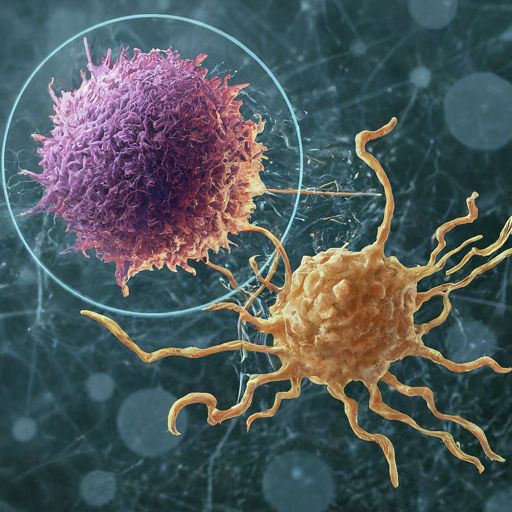
Cancer is a disease in which abnormal cells grow uncontrollably, invade surrounding tissues, and may spread to other parts of the body.
Is There a Cure for Cancer?
Cancer Incidence by Age
2 of 11 / Causes, Risks & Prevention
Common Carcinogens
Common carcinogens are cancer-causing substances or agents found in tobacco smoke, ultraviolet radiation, asbestos, certain chemicals, alcohol, processed meats, and some viruses, increasing cancer risk with prolonged exposure.
Smoking and Cancer
Smoking is a major cause of cancer, damaging cells through harmful chemicals in tobacco. It increases the risk of lung, mouth, throat, and several other cancers.
Alcohol and Cancer
Alcohol consumption increases the risk of several cancers, including breast, liver, mouth, throat, esophageal, and colorectal cancers. Reducing or avoiding alcohol helps lower cancer risk and supports long-term health.
Viruses That Can Lead to Cancer
Certain viruses can increase cancer risk by causing long-term infections that damage cells. Early vaccination, regular screenings, and healthy lifestyle choices help reduce this risk.
Early Signs of Cancer
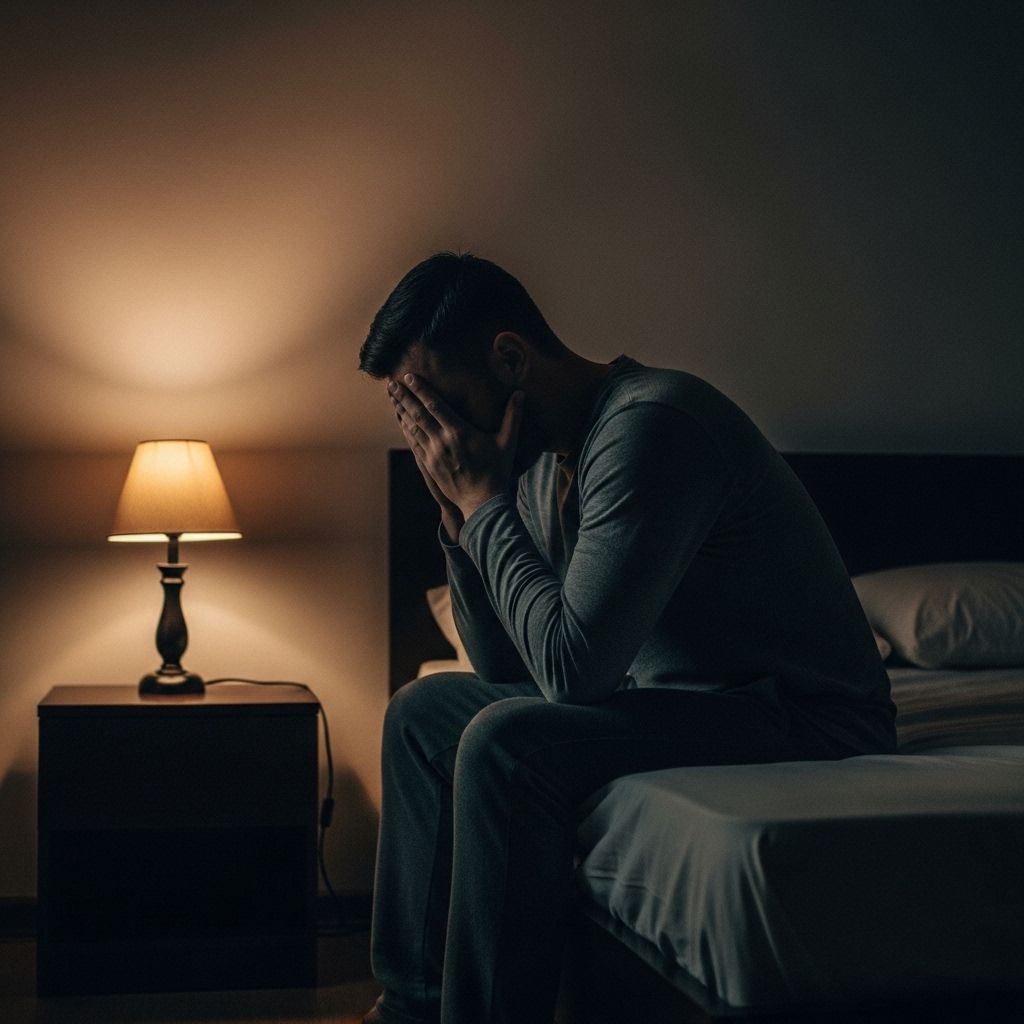
Early signs of cancer may include unexplained weight loss, persistent fatigue, unusual lumps, prolonged cough, changes in bowel habits, abnormal bleeding, or sores that don’t heal
Cancer Symptoms Women Ignore
Many women overlook persistent fatigue, unusual bleeding, unexplained weight loss, bloating, breast changes, or ongoing pain. Recognizing these early warning signs and seeking timely medical evaluation can improve health outcomes.
Common Cancers and How to Spot Them
Learn the early warning signs of common cancers, including unusual lumps, persistent cough, unexplained weight loss, abnormal bleeding, and lasting fatigue. Early detection can improve treatment outcomes.
Cancers That Metastasize to the Bones
Cancers that metastasize to the bones are cancers that spread from their original site to bone tissue, causing pain, fractures, reduced mobility, and requiring specialized treatment to manage symptoms.
4 of 11 / Tests & Diagnosis
Cancer Diagnosis
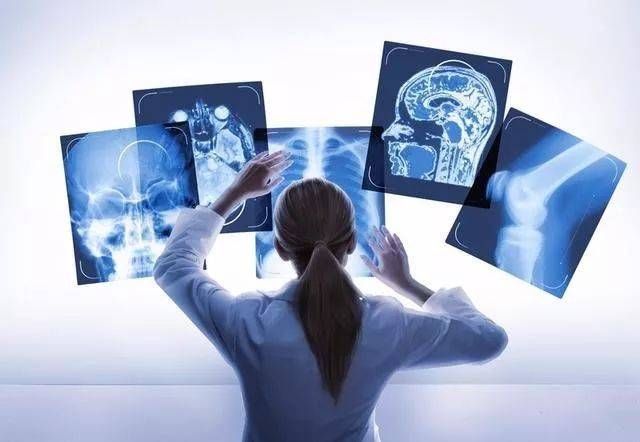
Cancer diagnosis uses advanced screening methods, scans, blood tests, and tissue biopsies to detect cancer early and guide personalized treatment decisions effectively.
Cancer Diagnosis Without Biopsy
Advanced, non-invasive diagnostic techniques use imaging, blood-based biomarkers, and AI-assisted analysis to detect, monitor, and assess cancer accurately without requiring surgical tissue biopsy.
Lymph Node Biopsy
A diagnostic procedure where a lymph node is removed and examined to detect infections, cancer, or other diseases.
Bone Biopsy
A diagnostic procedure where a small bone sample is removed and examined to detect infections, cancer, or other bone disorders.
5 of 11 / Your Cancer Care Team

Cancer Specialists
Connect with experienced cancer specialists for expert diagnosis, personalized treatment plans, compassionate care, and ongoing support throughout your cancer journey.
What Is Medical Oncology?
Medical oncology focuses on diagnosing, treating, and managing cancer using chemotherapy, immunotherapy, targeted therapy, and personalized treatment plans.
What Is a Radiation Oncologist?
A radiation oncologist is a cancer specialist who uses radiation therapy to treat tumors, reduce symptoms, and develop personalized treatment plans for patients.
What Is Surgical Oncology?
Surgical oncology involves specialized procedures to diagnose, remove, and treat cancer while improving patient outcomes and quality of life.
6 of 11 / Treatment & Side Effects
7 of 11 / Treatment Support
What Is Cancer Treatment: What Are the Options? Surgical Oncology?
Learn about surgery, chemotherapy, radiation, immunotherapy, targeted therapy, and personalized treatment options for different types of cancer.
Cancer Surgery
Learn how cancer surgery removes tumors, supports diagnosis, relieves symptoms, and improves treatment outcomes for many types of cancer.
Nuclear Medicine
Nuclear medicine uses small amounts of radioactive materials to diagnose, monitor, and treat various diseases, providing detailed images and targeted treatment options.
New Ideas in Cancer Treatment
Discover innovative cancer treatments, advanced therapies, and emerging research improving patient care, treatment outcomes, and quality of life.
Natural Help for Treatment Side Effects
Discover natural strategies, healthy nutrition, gentle exercise, and supportive therapies to help manage treatment side effects and improve overall well-being.
Exercise During Cancer Treatment
Stay active with safe exercises during cancer treatment to reduce fatigue, improve strength, boost mood, and support recovery.
What Medicines Help Treat Cancer Pain?
Learn about medications used to manage cancer pain, improve comfort, and support a better quality of life during treatment.
What Medicines Help Treat Cancer Pain?
Learn about medications used to manage cancer pain, improve comfort, and support a better quality of life during treatment.