
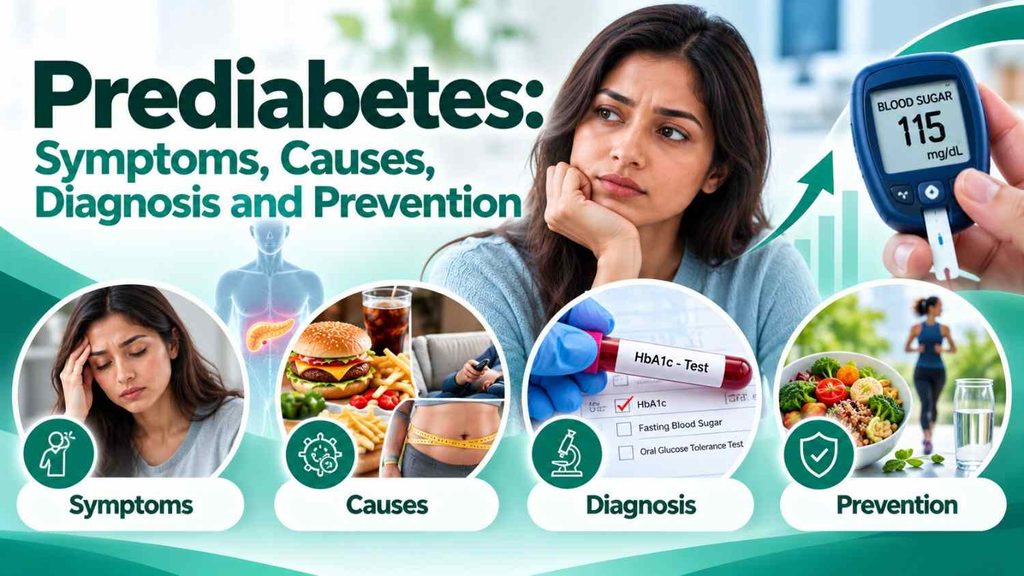
Prediabetes symptoms are often difficult to recognize because many people with prediabetes do not experience noticeable warning signs. Prediabetes occurs when blood sugar levels are higher than normal but not high enough to meet the diagnostic criteria for type 2 diabetes.
Some people may notice changes such as darkened skin around the neck or armpits, while others feel completely healthy. This is why understanding the risk factors and getting appropriate blood sugar testing are important.
The good news is that early detection of prediabetes provides an opportunity to improve blood sugar levels and reduce the risk of developing type 2 diabetes. With sustainable lifestyle changes, regular health checks, and medical guidance, many people can improve their blood glucose levels.
What Is Prediabetes?
Prediabetes occurs when your blood glucose levels are higher than the normal range but below the threshold used to diagnose diabetes.
Your body uses glucose as its main source of energy. Insulin, a hormone produced by the pancreas, helps glucose move from the bloodstream into your cells.
In people with prediabetes, the body’s cells may not respond effectively to insulin. This is known as insulin resistance. The pancreas initially compensates by producing more insulin, but over time, it may not be able to maintain normal blood glucose levels.
As a result, blood sugar gradually rises.
Prediabetes does not mean that you will inevitably develop type 2 diabetes. It is an opportunity to identify elevated blood glucose early and take steps to improve your metabolic health.
However, prediabetes is associated with an increased risk of type 2 diabetes, cardiovascular disease, and other health problems, so it should not be ignored.
What Are the Symptoms of Prediabetes?
One of the most important things to understand about prediabetes is that most people do not experience clear symptoms.
Unlike some cases of established diabetes, prediabetes may not cause obvious excessive thirst, frequent urination, or unexplained weight loss. A person may feel completely healthy while their blood glucose levels are already elevated.
Nevertheless, certain changes may be worth discussing with a healthcare professional.
1. Darkened Skin Around the Neck or Armpits
Dark, thickened, velvety skin around the neck, armpits, or groin can be a condition called acanthosis nigricans.
It is often associated with insulin resistance, which can increase the risk of prediabetes and type 2 diabetes.
However, darkened skin can have other causes and does not confirm that you have prediabetes. A medical evaluation can help determine whether blood glucose testing is appropriate.
2. Increased Thirst
Some people with elevated blood sugar may notice unusual thirst, particularly if their glucose levels have risen beyond the prediabetes range.
Persistent thirst is not a reliable way to identify prediabetes because many people have no symptoms at this stage. Dehydration, medications, and other health conditions can also cause excessive thirst.
If you experience persistent thirst alongside frequent urination, fatigue, or unexplained weight loss, arrange a medical evaluation.
3. Fatigue or Low Energy
Feeling unusually tired may occur for many reasons, including inadequate sleep, anaemia, thyroid disorders, stress, and blood glucose problems.
Although fatigue is sometimes associated with high blood sugar, it is not a specific or dependable symptom of prediabetes.
If persistent tiredness affects your daily activities, discuss it with a healthcare professional rather than assuming it is caused by blood sugar levels.
4. Increased Hunger or Unexplained Weight Changes
Changes in appetite or body weight can have several causes. They are not reliable indicators of prediabetes on their own.
Unexplained weight loss, especially when accompanied by excessive thirst and frequent urination, may indicate more significant hyperglycaemia and warrants prompt medical assessment.
Can You Have Prediabetes Without Symptoms?
Yes. In fact, this is common.
Prediabetes is frequently discovered through routine blood tests rather than symptoms. Someone who feels well may still have an HbA1c result or fasting blood glucose level within the prediabetes range.
If you have risk factors such as a family history of diabetes, excess body weight, physical inactivity, or a history of gestational diabetes, ask your healthcare professional whether screening is appropriate.
What Causes Prediabetes?
Prediabetes usually develops through a combination of insulin resistance, reduced ability of the pancreas to compensate, genetic factors, and lifestyle influences.
It is not caused by eating sugar alone, and it can affect people with different body sizes and activity levels.
1. Insulin Resistance
Insulin resistance is one of the main mechanisms behind prediabetes.
When cells in the muscles, liver, and other tissues respond less effectively to insulin, glucose does not move out of the bloodstream as efficiently as it should.
The pancreas may initially produce extra insulin to compensate. When this compensation becomes insufficient, blood glucose levels begin to rise.
Insulin resistance is associated with excess abdominal fat in some people, but it can also occur in people who are not overweight.
2. Family History and Genetics
Having a parent or sibling with type 2 diabetes can increase your risk of developing prediabetes.
Genetic factors influence how the body produces and uses insulin. Family members may also share eating habits, activity patterns, and other environmental influences.
A family history does not guarantee that you will develop prediabetes, but it is an important factor to discuss during a health assessment.
3. Excess Weight, Particularly Around the Abdomen
Carrying excess body fat, especially around the abdomen, is associated with insulin resistance in many people.
However, body weight alone does not determine your blood glucose status. People at different body sizes can develop prediabetes, so screening decisions should consider multiple risk factors.
4. Physical Inactivity
Regular physical activity helps muscles use glucose and improves insulin sensitivity.
A sedentary lifestyle may contribute to insulin resistance, particularly when combined with other risk factors. Long periods of sitting and limited movement can make it harder to maintain metabolic health.
Even manageable increases in daily activity can be a useful starting point.
5. Age and Other Medical Conditions
The risk of prediabetes generally increases with age, although younger adults and children can also develop it.
Certain conditions are associated with an increased risk, including polycystic ovary syndrome (PCOS), high blood pressure, abnormal cholesterol or triglyceride levels, and a history of gestational diabetes.
These factors do not mean that prediabetes is inevitable. They help healthcare professionals decide who may benefit from screening and closer follow-up.
6. History of Gestational Diabetes
Women who developed diabetes during pregnancy have an increased risk of developing type 2 diabetes later in life.
A history of gestational diabetes should be shared with your healthcare professional, even if blood glucose levels returned to the normal range after delivery.
Appropriate follow-up testing can help identify changes early.
Prediabetes Diagnosis: Which Blood Tests Are Used?
Because prediabetes often has no obvious symptoms, blood tests are the main way to identify it.
Healthcare professionals may use an HbA1c test, a fasting plasma glucose test, or an oral glucose tolerance test.
The tests measure blood glucose in different ways and do not always identify exactly the same people.
Prediabetes Blood Sugar Levels Chart
The following thresholds are commonly used for diagnosing prediabetes in non-pregnant adults.
| Test | Normal range | Prediabetes range | Diabetes range |
|---|---|---|---|
| HbA1c | Below 5.7% | 5.7%–6.4% | 6.5% or higher |
| Fasting blood glucose | 99 mg/dL or below | 100–125 mg/dL | 126 mg/dL or higher |
| Two-hour oral glucose tolerance test | 139 mg/dL or below | 140–199 mg/dL | 200 mg/dL or higher |
These are widely used diagnostic thresholds. Pregnancy requires specific screening criteria, and individual circumstances can affect how results are interpreted.
If a result reaches the diabetes diagnostic threshold, a healthcare professional will generally confirm the diagnosis with repeat testing unless there is clear evidence of diabetes.
1. HbA1c Test for Prediabetes
The HbA1c test measures the percentage of haemoglobin in red blood cells that has glucose attached to it.
Because red blood cells typically circulate for around three months, the result reflects average blood glucose exposure over approximately the previous two to three months.
An HbA1c result between 5.7% and 6.4% falls within the commonly used prediabetes range.
The test generally does not require fasting. However, conditions that affect red blood cells, certain haemoglobin variants, and some other medical circumstances can make the result less reliable.
2. Fasting Blood Glucose Test
A fasting blood glucose test measures your blood sugar after you have not eaten for at least eight hours.
For this test:
- A result of 99 mg/dL or below is generally considered normal.
- A result between 100 and 125 mg/dL falls within the prediabetes range.
- A result of 126 mg/dL or higher falls within the diabetes diagnostic range.
Your healthcare professional may recommend additional testing depending on the result and your risk factors.
3. Oral Glucose Tolerance Test
An oral glucose tolerance test, or OGTT, assesses how your body handles glucose.
After an overnight fast, a blood sample is taken. You then drink a glucose-containing solution, and your blood glucose is measured again at a specified time.
For the standard two-hour test in non-pregnant adults, a result between 140 and 199 mg/dL falls within the prediabetes range.
This test may be useful when additional information is needed, although it generally takes longer than an HbA1c test.
What Happens After a Prediabetes Diagnosis?
If your results indicate prediabetes, your healthcare professional may review your diet, activity levels, family history, medications, blood pressure, and other risk factors.
You may be advised to make sustainable lifestyle changes and repeat blood glucose testing at an appropriate interval.
For many people, follow-up testing is recommended at least annually after prediabetes is identified, although your clinician may recommend a different schedule based on your circumstances.
How Can You Prevent Prediabetes From Progressing to Type 2 Diabetes?
Prediabetes prevention focuses on improving insulin sensitivity, supporting healthy blood glucose levels, and addressing modifiable risk factors.
There is no single diet or exercise routine that works for everyone. Consistent, realistic changes are often more sustainable than restrictive plans.
1. Choose a Balanced Diet for Prediabetes
Your food choices can influence blood glucose levels and overall metabolic health.
Consider building meals around:
- Vegetables: Include a variety of non-starchy vegetables such as leafy greens, cauliflower, beans, and other seasonal options.
- Whole grains: Choose foods such as oats, whole-wheat roti, and other less-refined grains in appropriate portions.
- Pulses and legumes: Dal, chickpeas, beans, and lentils provide fibre and plant-based protein.
- Protein-rich foods: Include suitable sources such as eggs, fish, dairy, tofu, or other options that fit your diet.
- Healthy fats: Nuts, seeds, and suitable plant oils can contribute to a balanced eating pattern.
Limit frequent consumption of sugary drinks and large portions of highly refined or heavily processed foods.
You do not necessarily need to eliminate rice, roti, or all carbohydrates. Portion size, food quality, the overall meal, and your individual needs all matter.
A qualified dietitian or healthcare professional can help you create a practical meal plan.
2. Exercise Regularly
Physical activity helps muscles use glucose and can improve insulin sensitivity.
Many adults can work toward at least 150 minutes of moderate-intensity physical activity each week, such as brisk walking, cycling, or swimming, if appropriate for their health.
You can start with shorter sessions and gradually increase the duration. Strength-building activities on suitable days can also support metabolic health.
If you have a medical condition that affects your ability to exercise, ask your healthcare professional about a safe activity plan.
3. Work Toward a Healthy Weight if Needed
For people with prediabetes who have overweight or obesity, gradual weight loss may improve insulin sensitivity and reduce the risk of developing type 2 diabetes.
In structured prevention programmes, a weight reduction of approximately 5%–7% of initial body weight is often used as a practical goal for people who would benefit from weight loss.
For example, someone weighing 80 kg would be aiming for approximately 4–5.6 kg of weight loss.
This is not a universal requirement. People at a healthy weight may benefit from other lifestyle changes without losing weight, and weight management goals should be individualized.
4. Reduce Long Periods of Sitting
You do not have to complete an entire workout to become more active.
Consider standing up regularly, taking short walking breaks, using stairs when appropriate, or walking for a few minutes after meals.
These habits can help reduce sedentary time and make regular movement easier to maintain.
5. Prioritize Sleep
Adequate, consistent sleep supports general metabolic health.
Try to maintain a regular sleep schedule and seek medical advice if you experience persistent insomnia, loud snoring, or excessive daytime sleepiness.
Sleep improvements cannot guarantee that prediabetes will resolve, but they can form part of a broader health plan.
6. Avoid Tobacco and Limit Alcohol
Smoking is associated with an increased risk of type 2 diabetes and cardiovascular disease. Avoiding tobacco can improve your overall health.
If you drink alcohol, discuss appropriate limits with your healthcare professional, particularly if you take medication or have other medical conditions. Alcohol is not a treatment for prediabetes, and avoiding it may be appropriate for some people.
7. Attend Regular Health Check-Ups
Lifestyle changes are important, but they do not replace follow-up testing.
Your healthcare professional can monitor blood glucose levels, review other cardiovascular risk factors, and determine whether further assessment or treatment is needed.
Regular follow-up also helps identify progression to diabetes early, even when symptoms are absent.
Can Prediabetes Be Reversed?
In many people, blood glucose levels can return to below the prediabetes range with sustained lifestyle changes and, when appropriate, medical treatment.
This is often described as reversing or improving prediabetes. However, the result varies from person to person, and returning to a normal test range does not mean that future risk has disappeared completely.
A practical approach may include:
- Improving dietary quality and portion sizes.
- Increasing physical activity.
- Managing excess weight where appropriate.
- Addressing sleep and other health concerns.
- Following the recommended blood glucose testing schedule.
Some people may need additional medical support. Medication such as metformin may be considered for selected individuals at particularly high risk, but it is not necessary or appropriate for everyone with prediabetes.
Do not start medication or supplements on your own. Discuss your individual risk and treatment options with a qualified healthcare professional.
What Happens If Prediabetes Is Left Untreated?
Prediabetes does not always progress to type 2 diabetes, but it is a meaningful warning that blood glucose regulation is impaired.
Without appropriate follow-up and risk reduction, some people may develop type 2 diabetes over time. Prediabetes is also associated with an increased risk of cardiovascular disease.
Potential concerns include:
- Progression to type 2 diabetes.
- Increased risk of heart and blood vessel disease.
- Continued insulin resistance.
- The need for more intensive blood glucose management if diabetes develops.
The purpose of early detection is not to create unnecessary fear. It is to give you time to understand your risk and take practical steps to protect your long-term health.
When Should You See a Doctor About Prediabetes?
Consider discussing screening with a healthcare professional if you:
- Have a parent, sibling, or other close family member with type 2 diabetes.
- Have overweight or obesity, particularly alongside other risk factors.
- Have high blood pressure or abnormal cholesterol levels.
- Have previously experienced gestational diabetes.
- Have PCOS or another relevant medical risk factor.
- Have been told that your blood glucose or HbA1c is above the normal range.
Prediabetes can occur without symptoms, so you should not wait until you feel unwell before discussing screening.
If you experience excessive thirst, frequent urination, unexplained weight loss, or persistent fatigue, seek medical assessment. These symptoms may indicate diabetes or another condition rather than prediabetes alone.
Seek emergency medical care if you develop vomiting, abdominal pain, deep or rapid breathing, confusion, or severe drowsiness, particularly alongside symptoms of high blood sugar.
Frequently Asked Questions
What are the first symptoms of prediabetes?
Most people do not experience noticeable symptoms. Darkened, thickened skin around the neck or armpits can sometimes be associated with insulin resistance, but prediabetes is usually identified through blood tests.
What is the normal blood sugar level for prediabetes?
Prediabetes is generally diagnosed using an HbA1c of 5.7%–6.4%, fasting blood glucose of 100–125 mg/dL, or a two-hour oral glucose tolerance test result of 140–199 mg/dL.
Is prediabetes serious?
Prediabetes is important because it increases the risk of developing type 2 diabetes and cardiovascular disease. However, it does not mean that diabetes is inevitable. Appropriate lifestyle changes and follow-up can help reduce risk.
Can prediabetes go away naturally?
Blood glucose levels can return to below the prediabetes range, especially with sustainable lifestyle changes and appropriate medical support. However, improvement is not guaranteed, and regular follow-up remains important.
Which foods should I avoid if I have prediabetes?
There is no universal list of foods that everyone must avoid. Limiting sugary drinks and frequently eating large portions of highly refined or heavily processed foods may help. A balanced eating pattern that includes vegetables, fibre-rich foods, protein, and appropriate portions is generally a useful starting point.
Does prediabetes always turn into diabetes?
No. Some people progress to type 2 diabetes, while others maintain or improve their blood glucose levels. Individual risk depends on several factors, including blood glucose levels, family history, activity, body composition, and other health conditions.
How often should I check my blood sugar if I have prediabetes?
Many people with prediabetes should be screened for type 2 diabetes at least once a year. Your healthcare professional may recommend a different interval depending on your results and risk factors.
Can young adults develop prediabetes?
Yes. Prediabetes can occur in younger adults and, in some circumstances, children and adolescents. Family history, excess weight, physical inactivity, and other medical risk factors can increase the likelihood.
Take the Next Step Toward Better Diabetes Health
Prediabetes is an early warning that your body may be having difficulty regulating blood glucose. Because it often develops without noticeable symptoms, understanding your risk factors and getting tested when appropriate are important steps toward protecting your long-term health.
The encouraging news is that you can take action. A balanced diet, regular physical activity, individualized weight management when appropriate, and consistent medical follow-up may help improve blood glucose levels and reduce the risk of type 2 diabetes.
Explore Diabetes & Endocrine Health at Ghaziabad Clinic
If you want to learn more about blood sugar management, diabetes, and related hormonal health conditions, visit the Diabetes & Endocrine section at Ghaziabad Clinic.
Explore relevant health information and discuss your screening or treatment concerns with a qualified healthcare professional to understand the next steps that may be right for you.
