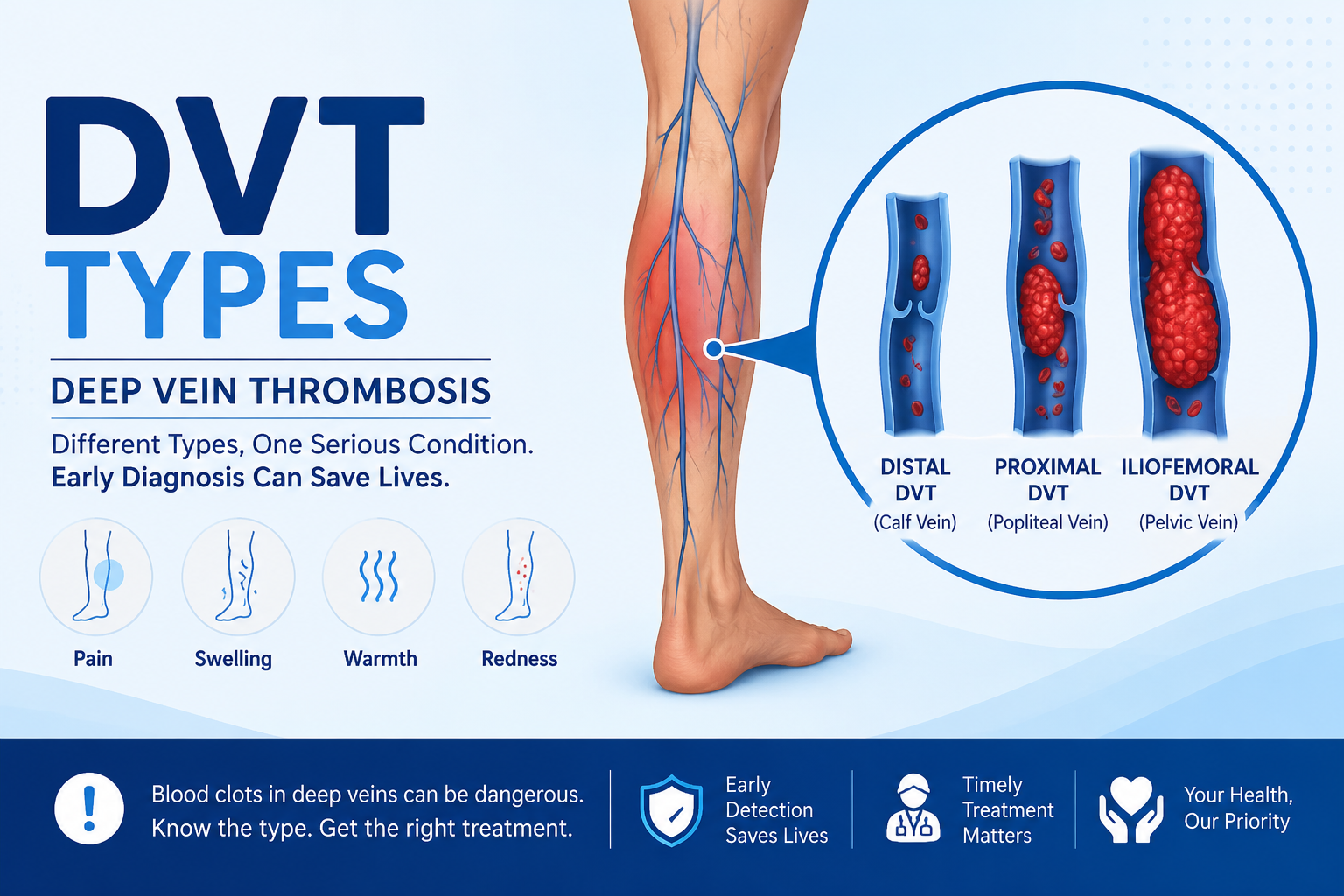
What is DVT?
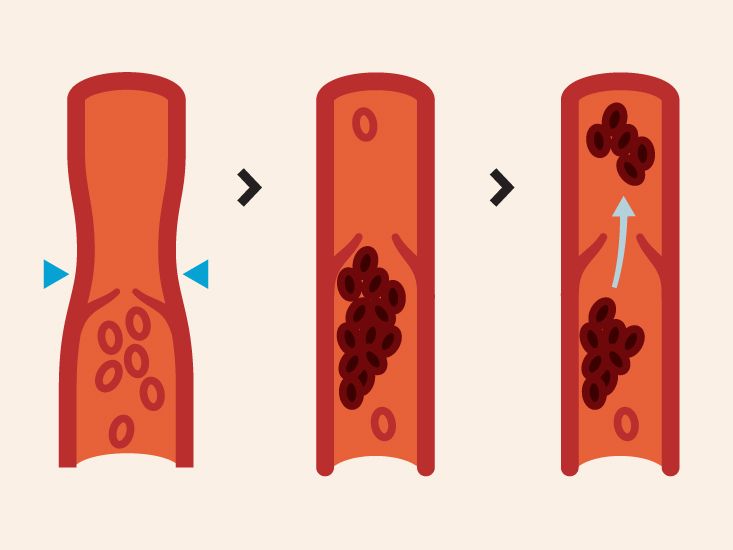
Deep Vein Thrombosis (DVT) is a condition in which a blood clot forms in a deep vein, usually in the leg. It can cause pain, swelling and warmth in the affected area.
DVT should not be ignored because, in some cases, part of the clot can break away and travel to the lungs. This can cause a serious condition called Pulmonary Embolism (PE).
The good news is that DVT can often be treated effectively when diagnosed early.
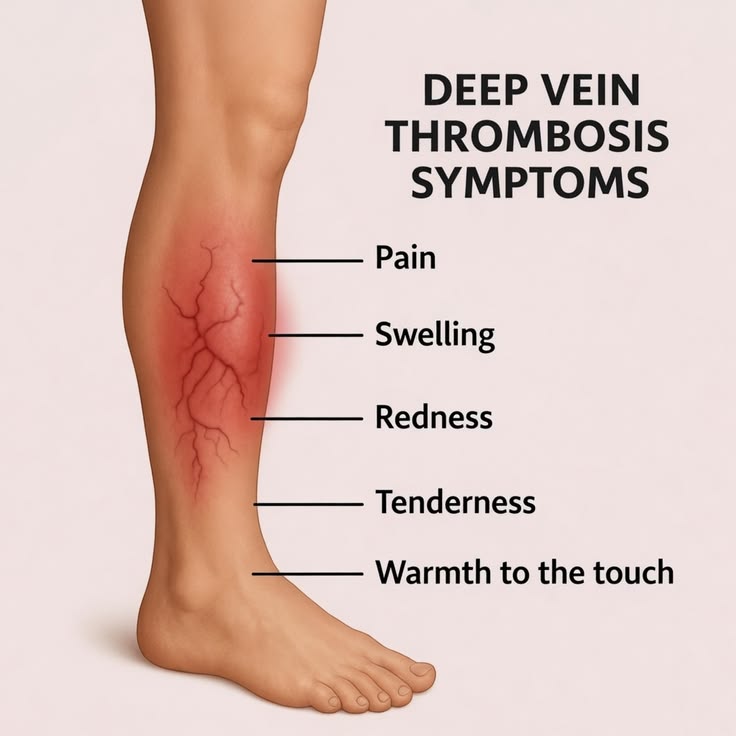
Symptoms of DVT
DVT does not always cause noticeable symptoms. In fact, some people may have a blood clot without knowing it.
When symptoms occur, they commonly affect one leg and may include:
- Swelling in the leg
- Pain or tenderness, especially in the calf or thigh
- Warm skin around the affected area
- Red, bluish or darker skin
- A feeling of heaviness or discomfort in the leg
- Swollen or more visible veins
DVT can also occur in an arm, although this is less common.
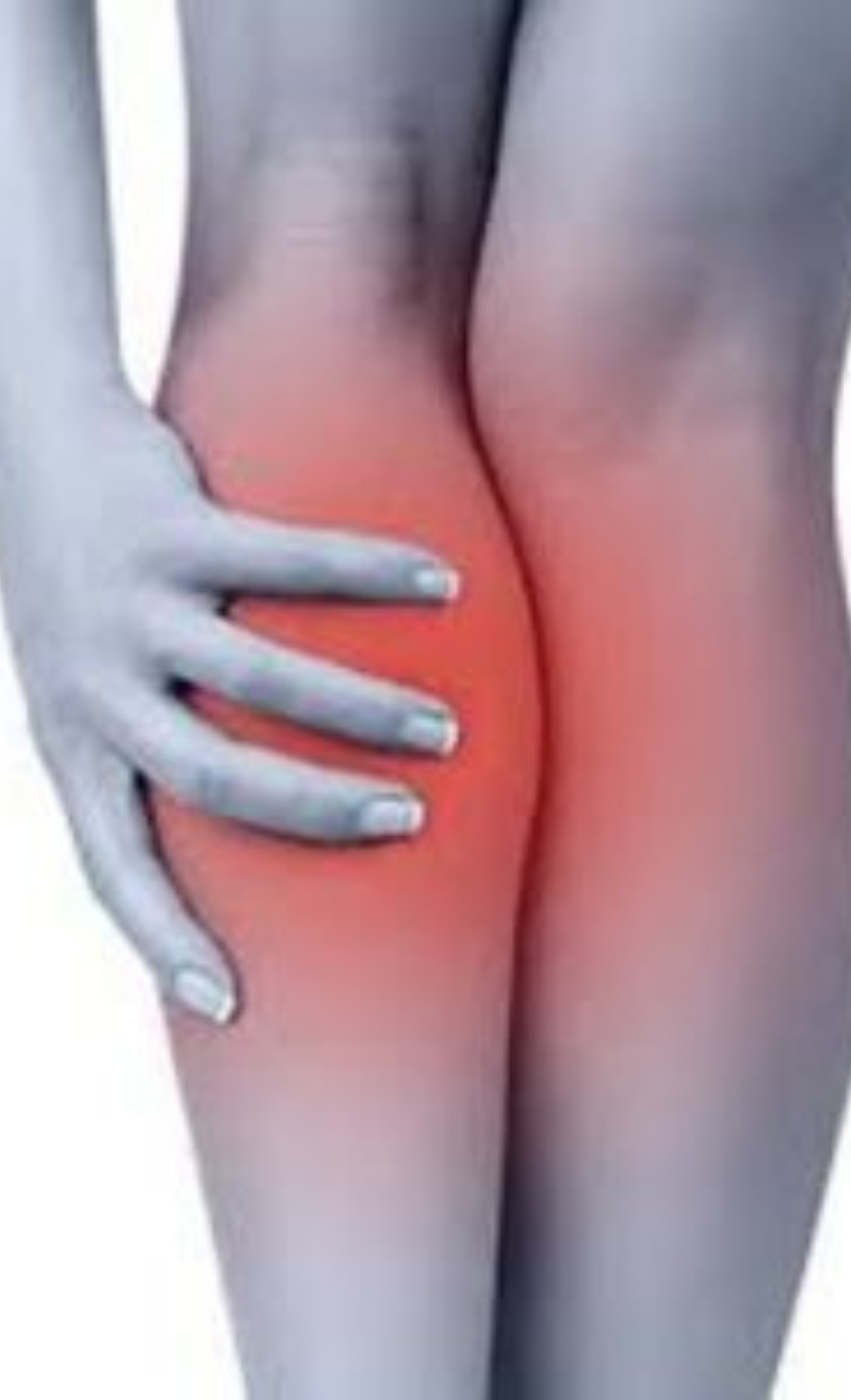
What Causes DVT?
DVT usually develops when blood flow through a deep vein becomes slower than normal, the vein is injured, or the blood becomes more likely to clot.
Common situations that can increase the risk include:
1. Long periods of sitting
Sitting for many hours during long-distance travel or other situations can reduce blood flow in the legs.
2. Bed rest or limited movement
Being unable to walk or move for a long period can increase the risk of blood clots.
3. Surgery or hospitalization
Some surgeries and periods of hospitalization can increase the risk of DVT.
4. Injury
An injury that damages a vein can contribute to clot formation.
5. Cancer
Some cancers and cancer treatments can increase the risk of developing blood clots.
Tests & Diagnosis
DVT cannot be confirmed by symptoms alone. Leg pain or swelling can happen for many different reasons, so a doctor may recommend specific tests to check whether a blood clot is present.
1. Medical Examination
Your doctor will first ask about your symptoms and medical history. They may check the affected leg for swelling, tenderness, warmth, skin colour changes and other signs that may suggest DVT. The doctor may also ask about recent surgery, hospitalization, long travel, reduced movement, previous blood clots, medicines and
2. D-Dimer Blood Test
A D-dimer test is a blood test that checks for a substance released when blood clots break down. A normal D-dimer result can help rule out DVT in people who are considered unlikely to have a blood clot. However, an elevated D-dimer does not always mean that you have DVT because other conditions can also increase D-dimer levels. Your doctor will interpret the result along with your symptoms and overall risk.
3. Doppler / Duplex Ultrasound
A Doppler or duplex ultrasound is one of the main tests used to diagnose DVT. It uses sound waves to examine blood flow through the veins. The test can help the doctor identify whether a blood clot is blocking or affecting blood flow. The test is generally painless and does not involve radiation.
4. Venography
In some situations, a doctor may recommend a test called venography. A contrast dye is injected into a vein and X-rays are used to look at the veins. Because ultrasound is commonly used for suspected DVT, venography is generally reserved for selected situations when additional information is needed.
5. CT or MRI Scans
CT or MRI-based imaging may sometimes be used when the suspected clot is in an area that is difficult to assess with standard ultrasound, such as certain veins in the pelvis or abdomen. Your doctor will decide whether additional imaging is necessary based on your symptoms and examination.
Complications of DVT
Deep Vein Thrombosis (DVT) can often be treated successfully, especially when it is diagnosed early. However, if a blood clot is not treated properly, it can sometimes lead to serious health complications.
The most serious complication of DVT is Pulmonary Embolism. It happens when part of a blood clot breaks away, travels through the bloodstream and blocks a blood vessel in the lungs.
Pulmonary embolism can be life-threatening and requires immediate medical attention.
Emergency warning signs include:
- Sudden shortness of breath
- Chest pain, especially while taking a deep breath
- Very fast heartbeat
- Coughing up blood
- Severe dizziness or fainting
- Sudden unexplained weakness
If any of these symptoms occur, seek emergency medical care immediately.
Some people may develop Post-Thrombotic Syndrome (PTS) after DVT. Damage to the veins caused by the clot can make it harder for blood to flow normally back toward the heart.
This may cause:
- Long-lasting swelling in the leg
- Pain or aching
- A feeling of heaviness or tiredness
- Skin colour changes
- Itching or tightness around the affected area
- In more severe cases, skin ulcers
Symptoms may develop months or even years after the original DVT.
Far far away, behind the word mountains, far from the countries Vokalia and Consonantia, there live the blind texts. Separated they live in Bookmarksgrove right at the coast
DVT can damage the valves inside the affected veins, causing fluid to build up in the leg. Swelling may continue even after the original clot has been treated.
You may notice:
- Swelling around the ankle or lower leg
- Tightness in the skin
- Symptoms that become worse after standing for a long time
Long-term changes in blood flow can affect the skin of the affected limb.
The skin may become darker, reddish, dry, or thicker over time. These changes are more commonly associated with post-thrombotic syndrome.
In severe cases of chronic venous problems following DVT, poor blood flow can contribute to slow-healing sores or ulcers, usually around the lower leg or ankle.
These wounds may require medical treatment and ongoing wound care.
Risk Factors for DVT
Your risk may be higher if you:
- Have recently undergone major surgery
- Have been in bed for a long time
- Sit for prolonged periods
- Have had a previous DVT
- Have cancer
- Smoke
- Are overweight or obese
- Are pregnant or recently gave birth
- Use certain hormone-based medicines
- Have a family or personal history of blood-clotting problems
- Have an injury affecting a vein
Having a risk factor does not mean you will definitely develop DVT, but it is useful to know your individual risk and discuss concerns with a healthcare professional.
How Is DVT Diagnosed?
Doctors usually combine your symptoms, medical history, physical examination, and appropriate tests to determine whether you may have DVT.
Doppler Ultrasound
A Doppler ultrasound is commonly used to examine blood flow through the veins and look for a blood clot.
Blood Tests
A doctor may recommend a D-dimer blood test in appropriate situations. The result is interpreted together with your symptoms and overall risk.
Other Imaging Tests
In selected cases, additional imaging may be required to examine the veins in greater detail.
The exact tests depend on your symptoms and your doctor’s assessment.
When DVT Becomes an Emergency
Call for emergency medical help if someone with suspected or diagnosed DVT develops:
- Sudden difficulty breathing
- New or severe chest pain
- Coughing up blood
- Fainting or severe dizziness
- Very rapid heartbeat
These may be signs of pulmonary embolism, which requires urgent medical attention.

DVT Prevention
You cannot prevent every case of DVT, but several simple habits can help reduce your risk.
Keep Moving
Avoid sitting still for long periods. During long journeys, get up and walk around when it is safe to do so.
Move Your Legs
If you cannot walk, regularly move your ankles and legs as advised by your healthcare professional.
Stay Hydrated Drink adequate fluid
Drink adequate fluids unless your doctor has advised you to restrict them.
Follow Medical Advice After Surgery
If you have undergone surgery or are admitted to hospital, follow your healthcare team's advice about movement and clot prevention.
Know Your Risk
If you have previously had DVT, cancer, recent surgery, prolonged immobility, or other risk factors, ask your doctor about personalised prevention.
DVT During Travel
Long journeys by plane, train, bus, or car can involve prolonged sitting.
To reduce the risk:
- Move your legs regularly
- Walk around when possible
- Avoid sitting continuously for many hours
- Stay adequately hydrated
- Follow your doctor’s advice if you already have a high risk of blood clots
People with previous DVT or other significant risk factors should discuss travel precautions with their doctor.
DVT and Pregnancy
Pregnancy naturally changes the body’s blood-clotting system, which can increase the risk of venous blood clots.
Pregnant women should seek medical advice if they develop unexplained swelling, pain, warmth, or redness in one leg or arm.
Treatment during pregnancy needs to be carefully selected by a healthcare professional.

DVT Treatment
The main goals of treatment are to prevent the existing clot from getting larger, reduce the risk of the clot travelling to the lungs, and lower the chance of another clot developing.
Blood Thinners
Anticoagulants, commonly called blood thinners, are the main treatment for many people with DVT.
They do not literally “thin” the blood. Instead, they reduce the blood’s ability to form or extend clots.
Compression Stockings
In some patients, a doctor may recommend compression stockings to help manage swelling and support blood flow.
Clot-Busting Treatment
For selected serious cases, doctors may consider medicines that actively break down a clot. Because these medicines can increase the risk of serious bleeding, they are reserved for specific situations.
Procedures
Some patients may require an interventional procedure, such as catheter-based treatment or an IVC filter, depending on the location and severity of the clot and whether blood thinners can be used.
Do not start aspirin, blood thinners, or any other medicine for suspected DVT without medical advice.

Sign up for our free Good Health Newsletter
Get wellness tips to help you live happier and healthier
By clicking Subscribe, I agree to the Ghaziabad Clinic Terms & Conditions & Privacy Policy and understand that I may opt out of Ghaziabad Clinic subscriptions at any time. This site is protected by reCAPTCHA and the Google Privacy Policy and Terms of Service apply.
Latest Deep Vein Thrombosis Blog Posts
GhaziabadClinic explained DVT in simple language, helping me understand its warning signs, risk factors, treatment options, and when urgent medical attention may be needed.
The DVT information was clear and easy to follow. I learned how blood clots develop, possible complications, and practical ways to reduce my risk.
I found the DVT guide informative and reassuring. The explanations helped me understand symptoms, diagnosis, treatment, prevention, and the importance of timely medical consultation.