

Sleep Disorders: Types, Symptoms, Causes & Treatment
Sleep disorders can affect how easily you fall asleep, how long you stay asleep, how rested you feel, and how alert you are during the day. Learn about common sleep disorders, warning signs, possible causes, diagnosis, treatment options, and practical ways to improve your sleep.
Overview
Types
Symptoms
Causes
Diagnosis
Treatment
Prevention
What Are Sleep Disorders?
leep disorders are conditions that affect the quality, timing, duration, or regularity of sleep. They can make it difficult to fall asleep, stay asleep, wake at the desired time, or remain alert during the day.
Some sleep problems are temporary and may be linked to stress, changes in routine, travel, illness, or lifestyle habits. Others can continue for longer periods and may require medical evaluation.
Sleep disorders can also involve abnormal breathing, unusual movements or behaviors during sleep, or excessive daytime sleepiness.
Add Your Heading Text Here
Add Your Heading Text Here
Depression Diagnosis
Depression diagnosis involves evaluating symptoms, mood, behavior, medical history, and daily functioning to identify depression and rule out other possible causes.
Who Treats Depression?
Depression is commonly treated by psychiatrists, psychologists, counselors, and primary care doctors through therapy, medication, lifestyle changes, or a combination of treatments.
Finding a Doctor or Therapist
Find trusted doctors and therapists by specialty, location, experience, and patient needs to choose the right healthcare professional with confidence.
Types of Depression
Depression includes major depressive disorder, persistent depressive disorder, seasonal affective disorder, postpartum depression, and bipolar depression, each with distinct symptoms and treatment needs.
Depression With Bipolar Disorder
Depression with bipolar disorder involves persistent low mood, loss of interest, and emotional changes that may occur alongside episodes of mania or hypomania.
Seasonal Depression (Seasonal Affective Disorder)
Seasonal Depression is a type of depression linked to changing seasons, often causing low mood, fatigue, sleep changes, and reduced interest in daily activities.
Summer Depression
Summer Depression is a type of seasonal depression that may cause sadness, low energy, sleep problems, irritability, and loss of interest during warmer months.
6 of 14 / Major Depressive Disorder
Major Depression (Clinical Depression)
Major Depression (Clinical Depression) is a serious mood disorder causing persistent sadness, loss of interest, fatigue, and difficulty managing daily activities.
Treating Symptoms of Depression with Rexulti
Rexulti may be prescribed alongside antidepressants to help reduce depression symptoms when standard treatment alone isn’t providing enough relief.
Major Depression or Dysthymia?
Major Depression causes intense, persistent sadness, while Dysthymia involves milder but longer-lasting symptoms that can significantly affect daily life and wellbeing.
Managing Depression Using Vraylar
Vraylar may help manage depression symptoms in certain patients, improving mood, motivation, and daily functioning when prescribed and monitored by a healthcare professional.
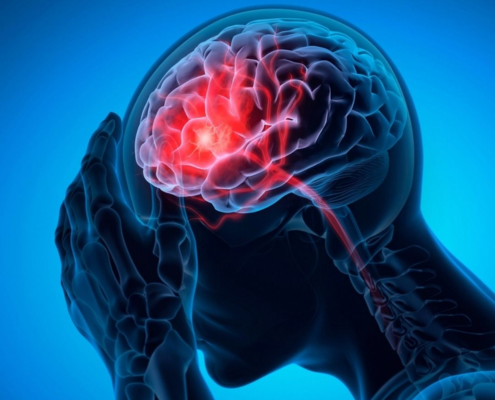
7 of 14 / Treatment
Depression Treatment: Your Options
Depression treatment may include psychotherapy, antidepressant medications, lifestyle changes, or a combination. Treatment is personalized according to symptoms, severity, medical history, and individual needs.
Treatment Tips
Learn practical treatment tips for managing depression, including therapy, medications, healthy lifestyle habits, and ongoing support to improve symptoms and promote emotional well-being.
8 of 14 / Antidepressants
Drug Treatment for Depression
Depression medications, including antidepressants, can help reduce symptoms and improve mood. Doctors select medicines based on symptoms, medical history, other medications, effectiveness, and possible side effects.
How Antidepressants Work
Antidepressants help balance brain chemicals, improving mood and reducing symptoms of depression and anxiety.
Fears and Facts About Antidepressants
Questions About Antidepressants
9 of 14 / Treatment-Resistant Depression (TRD)
What Is Treatment-Resistant Depression (TRD)?
Questions to Ask Your Doctor
Psychotherapy
High-Tech Treatments

10 of 14 / Living With
Things You Can Do Every Day to Help With Depression
Remedies for Depression
Focus on Your Inner Self to Boost Your Mood
What to Know About Depression and Work
11 of 14 / Recovery & Relapse
Maintenance Medications for Depression
Adjusting Your Life
Daily Activity Planner
12 of 14 / Complications
Depression Complications
Conditions Related to Depression
How Depression Affects Your Body
Physical Effects of Depression on the Brain
13 of 14 / Caregiving & Support
When a Loved One Has Depression
Helping a Depressed Loved One
Caregiver Stress
Depression Support

Questions for Your Doctor About Major Depressive Disorder
By clicking Subscribe, I agree to the Ghaziabad clinic.com Terms & Conditions & Privacy Policy and understand that I may opt out of Ghaziabad clinic subscriptions at any time. This site is protected by reCAPTCHA and the Google Privacy Policy and Terms of Service apply.

Suggested Reads about Depression
Living With Depression and Finding Hope
Explore how people can manage depression, build resilience, seek support, and discover hope through treatment, self-care, and meaningful daily steps toward recovery.
Depression Won't Beat You
Depression can feel overwhelming, but recovery is possible. This video offers encouraging guidance on taking positive next steps, seeking support, and moving toward better mental health.
Stop Masking Depression
Electricity Is My Medicine
Explore how electrical stimulation therapies may help people with treatment-resistant depression when traditional treatments have not provided sufficient relief.
Top Search Terms for Depression
Latest Depression Blog Posts